
抗生素、α-亚麻酸和溶剂类型对金黄色葡萄球菌生物膜形成的协同作用。
Synergistic effect of antibiotics, α-linolenic acid and solvent type against Staphylococcus aureus biofilm formation.
机构信息
Faculty of Materials Science and Ceramics, Department of Biomaterials and Composites, AGH University of Krakow, Al. Mickiewicza 30, Kraków, 30-059, Poland.
Faculty of Medicine, Chair of Microbiology, Department of Molecular Medical Microbiology, Jagiellonian University Medical College, ul. Św. Anny 12, Kraków, 31-121, Poland.
出版信息
Pharmacol Rep. 2024 Dec;76(6):1456-1469. doi: 10.1007/s43440-024-00669-3. Epub 2024 Oct 28.
BACKGROUND
A promising approach to the treatment of bacterial infections involves inhibiting the quorum sensing (QS) mechanism to prevent the formation and growth of bacterial biofilm. While antibiotics are used to kill remaining bacteria, QS inhibitors (QSIs) allow for antibiotic doses to be reduced. This study focuses on evaluating the synergy between gentamicin sulphate (GEN), tobramycin (TOB), or azithromycin (AZM) with linolenic acid (LNA) against the formation of an early Staphylococcus aureus biofilm.
METHODS
Minimum biofilm inhibitory concentration (MBIC) was determined using the resazurin reduction assay for all antibiotics and LNA. The reduction of biofilm mass was assessed using the crystal violet (CV) assay. We have also evaluated the effect of dimethyl sulfoxide with TWEEN (DMSO_T) on early biofilm formation. Synergy was determined by metabolic activity assay and fractional biofilm inhibitory concentration (FBIC).
RESULTS
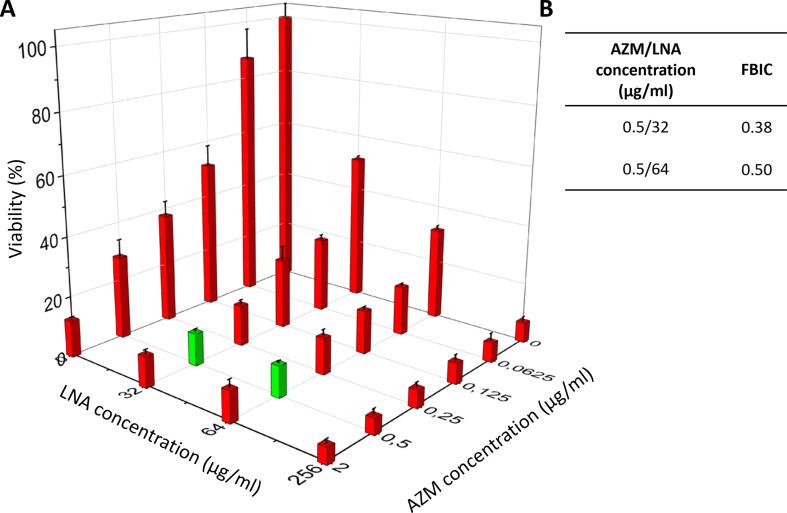
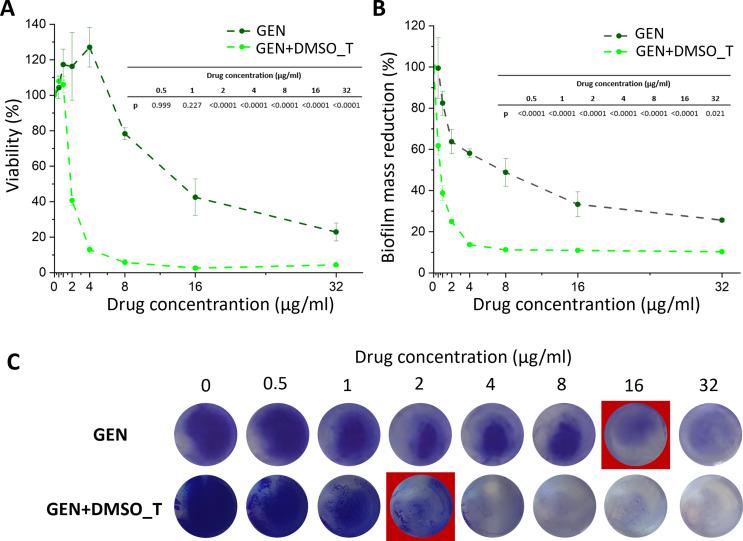
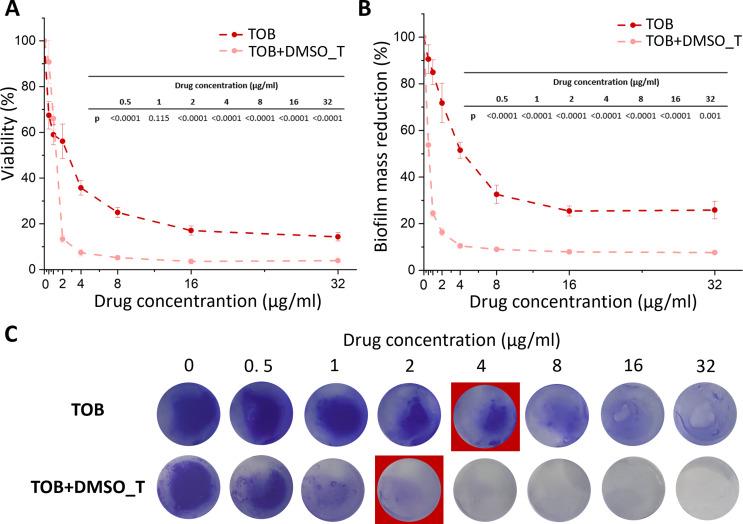
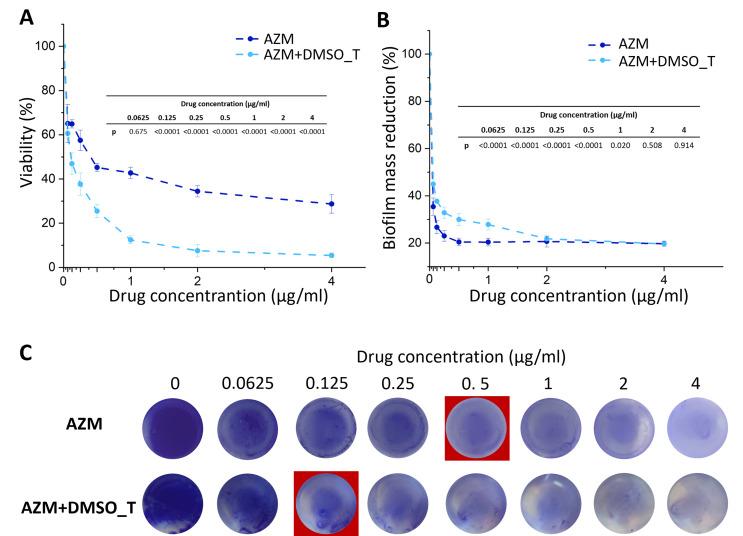
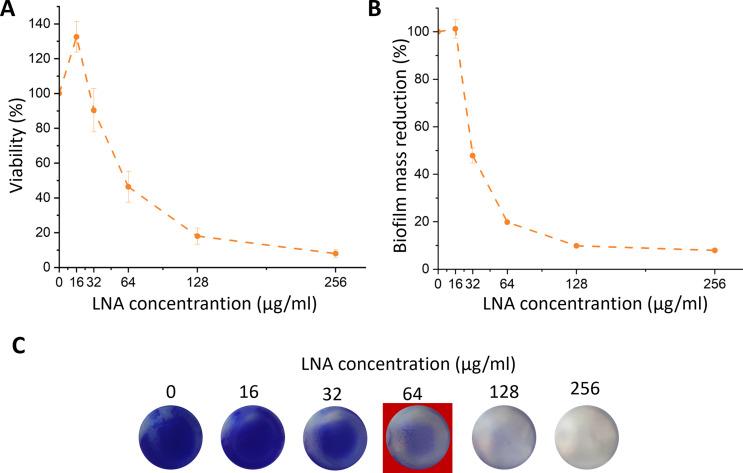
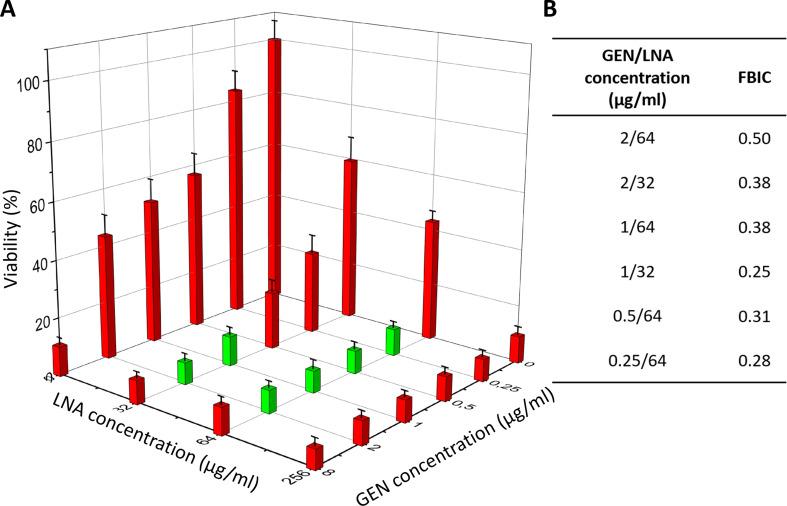
DMSO_T at a concentration of 1% enhanced early biofilm formation, but also decreased the doses of antibiotic needed to reduce the biofilm by up to 8 times. Adding LNA at a concentration of 32 µg/ml or 64 µg/ml allowed up to a 32-fold reduction of antibiotic doses for GEN and TOB and a 4-fold reduction for AZM.
CONCLUSIONS
LNA's use in combination with various antibiotics could reduce their doses and help fight drug-resistant bacteria in the biofilm.
背景
一种有前途的治疗细菌感染的方法涉及抑制群体感应(QS)机制,以防止细菌生物膜的形成和生长。虽然抗生素用于杀死残留的细菌,但 QS 抑制剂(QSIs)可以减少抗生素的剂量。本研究专注于评估硫酸庆大霉素(GEN)、妥布霉素(TOB)或阿奇霉素(AZM)与亚麻酸(LNA)之间的协同作用,以抑制早期金黄色葡萄球菌生物膜的形成。
方法
使用 Resazurin 还原测定法测定所有抗生素和 LNA 的最低生物膜抑制浓度(MBIC)。使用结晶紫(CV)测定法评估生物膜质量的减少。我们还评估了二甲亚砜与吐温(DMSO_T)对早期生物膜形成的影响。通过代谢活性测定和分数生物膜抑制浓度(FBIC)来确定协同作用。
结果
浓度为 1%的 DMSO_T 增强了早期生物膜的形成,但也将减少生物膜所需的抗生素剂量降低了多达 8 倍。添加浓度为 32μg/ml 或 64μg/ml 的 LNA 可以使 GEN 和 TOB 的抗生素剂量减少 32 倍,使 AZM 的抗生素剂量减少 4 倍。
结论
LNA 与各种抗生素联合使用可以减少它们的剂量,并有助于对抗生物膜中的耐药细菌。

 Zotero 插件