
泛素化调节癌症中的自噬:简单的修饰,有前途的靶点。
Ubiquitination regulates autophagy in cancer: simple modifications, promising targets.
机构信息
Institute of Urinary System Diseases, The Affiliated People's Hospital, Jiangsu University, 8 Dianli Road, Zhenjiang, 212002, China.
Department of Basic Medicine, School of Medicine, Jiangsu University, Zhenjiang, Jiangsu, 212013, China.
出版信息
J Transl Med. 2024 Oct 31;22(1):985. doi: 10.1186/s12967-024-05565-1.
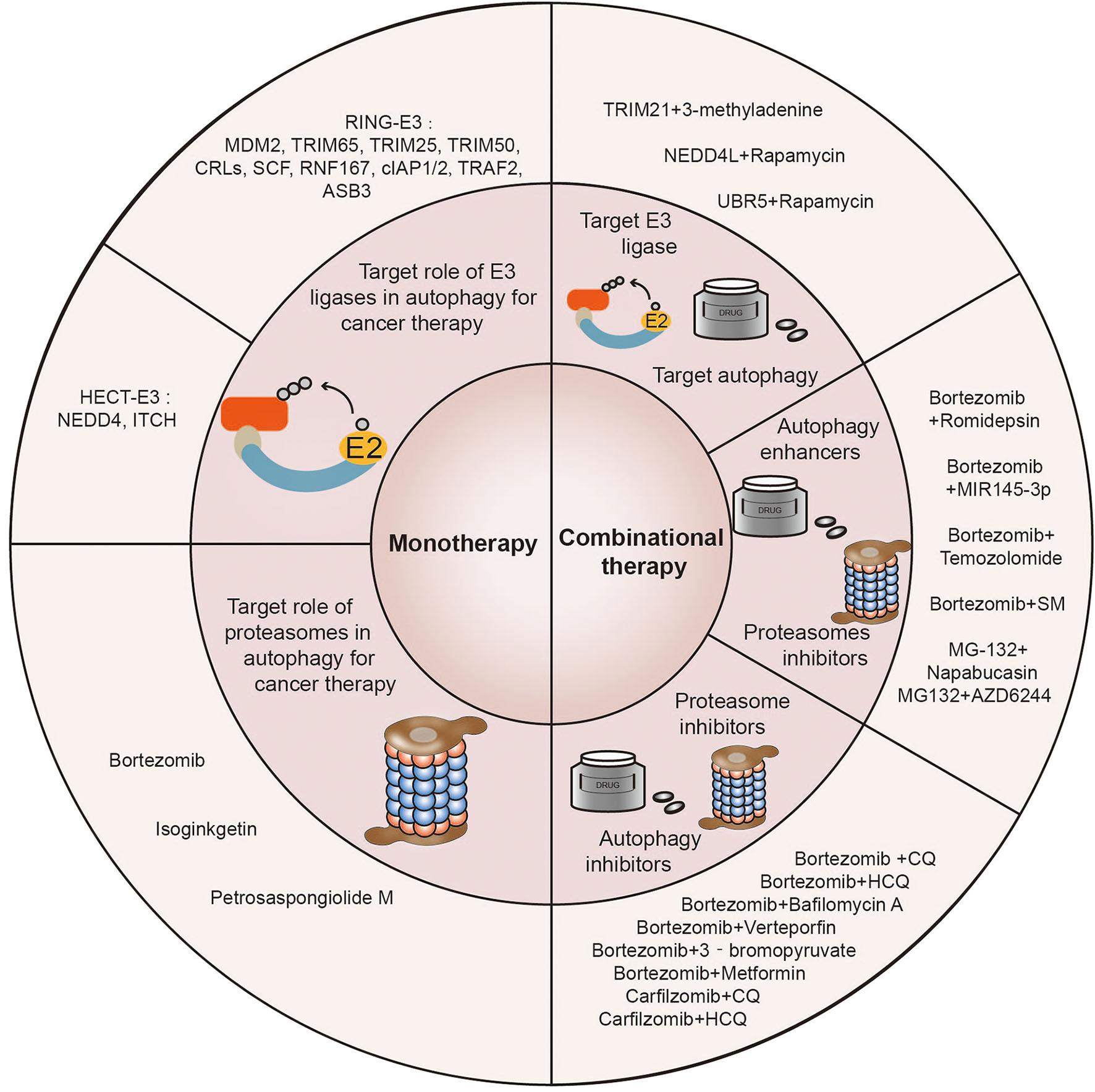
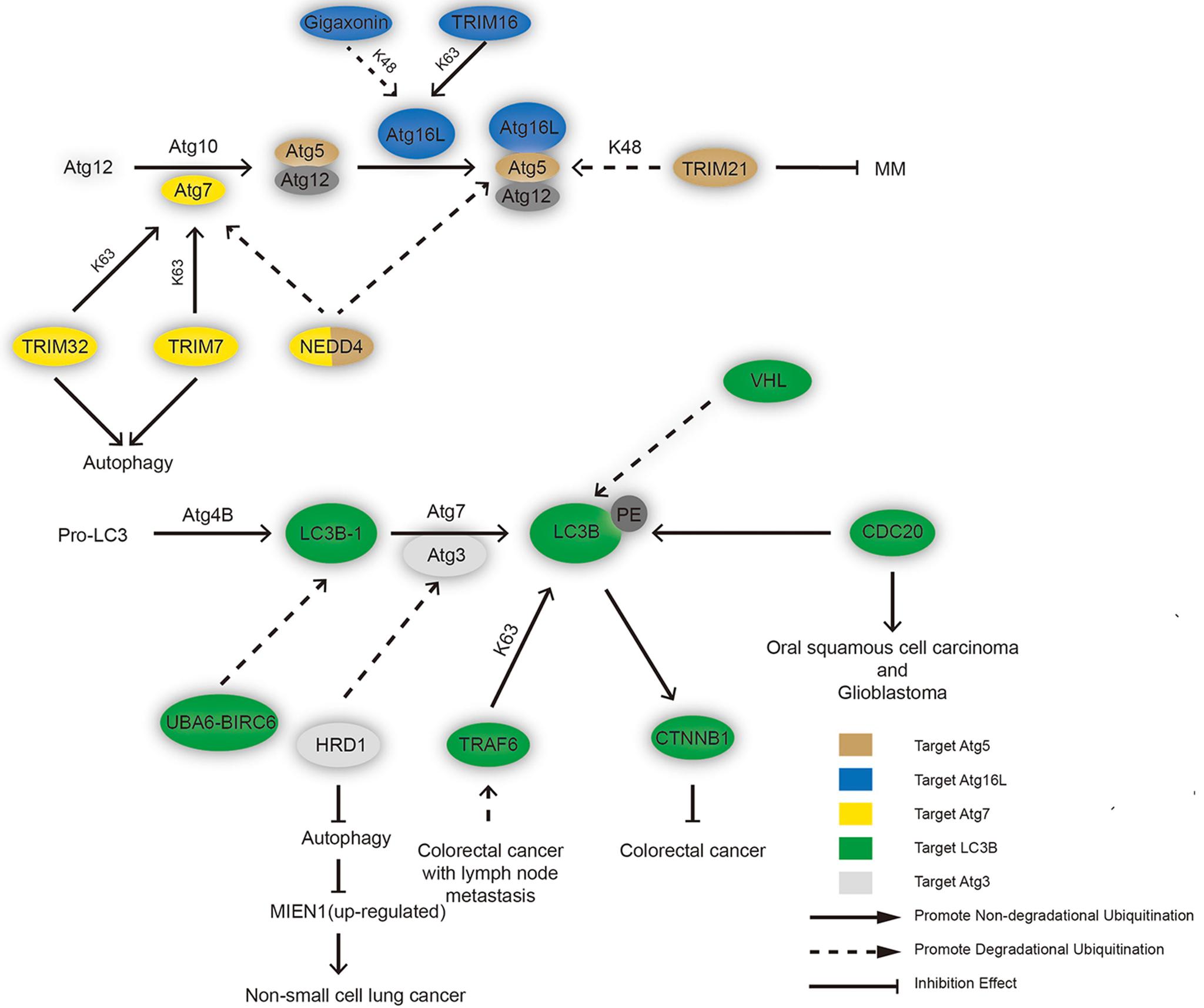
Autophagy is an important lysosomal degradation process that digests and recycles bio-molecules, protein or lipid aggregates, organelles, and invaded pathogens. Autophagy plays crucial roles in regulation of metabolic and oxidative stress and multiple pathological processes. In cancer, the role of autophagy is dual and paradoxical. Ubiquitination has been identified as a key regulator of autophagy that can influence various steps in the autophagic process, with autophagy-related proteins being targeted for ubiquitination, thus impacting cancer progression and the effectiveness of therapeutic interventions. This review will concentrate on mechanisms underlying autophagy, ubiquitination, and their interactions in cancer, as well as explore the use of drugs that target the ubiquitin-proteasome system (UPS) and ubiquitination process in autophagy as part of cancer therapy.
自噬是一种重要的溶酶体降解过程,可消化和回收生物分子、蛋白质或脂质聚集体、细胞器和入侵的病原体。自噬在代谢和氧化应激以及多种病理过程的调节中起着至关重要的作用。在癌症中,自噬的作用是双重的和矛盾的。泛素化已被确定为自噬的关键调节剂,它可以影响自噬过程的各个步骤,自噬相关蛋白被泛素化,从而影响癌症的进展和治疗干预的效果。本综述将集中讨论自噬、泛素化及其在癌症中的相互作用的机制,并探讨将靶向泛素-蛋白酶体系统 (UPS) 和自噬中泛素化过程的药物用于癌症治疗的方法。



 Zotero 插件