
替尔泊肽相关性结肠缺血
Tirzepatide-Associated Colonic Ischemia.
作者信息
Bayless David, Singh Jasraj, Park Byoung Uk, Sweetser Seth
机构信息
Department of Laboratory Medicine and Pathology, Mayo Clinic, Rochester, MN.
Division of Gastroenterology and Hepatology, Mayo Clinic, Rochester, MN.
出版信息
ACG Case Rep J. 2024 Nov 6;11(11):e01551. doi: 10.14309/crj.0000000000001551. eCollection 2024 Nov.
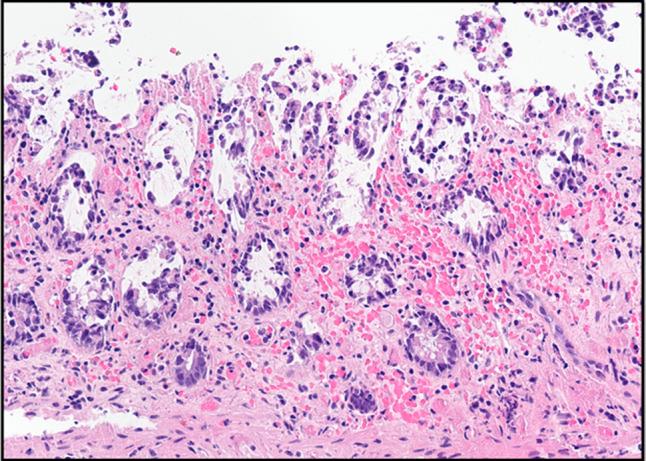
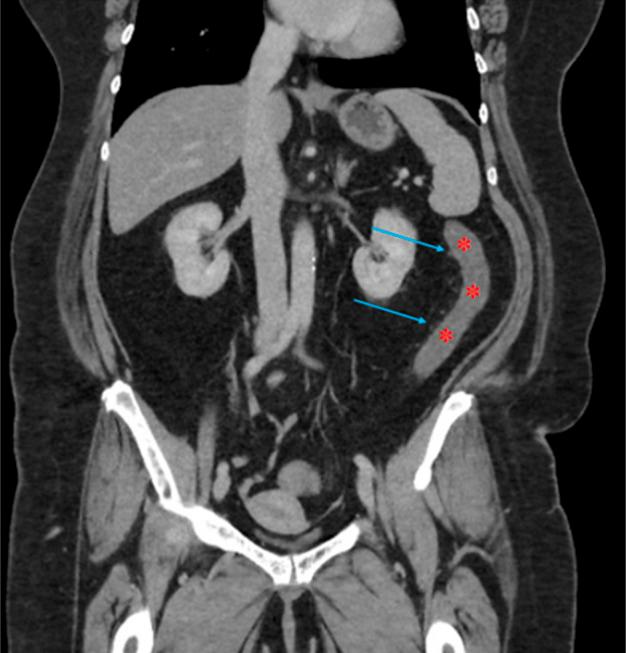
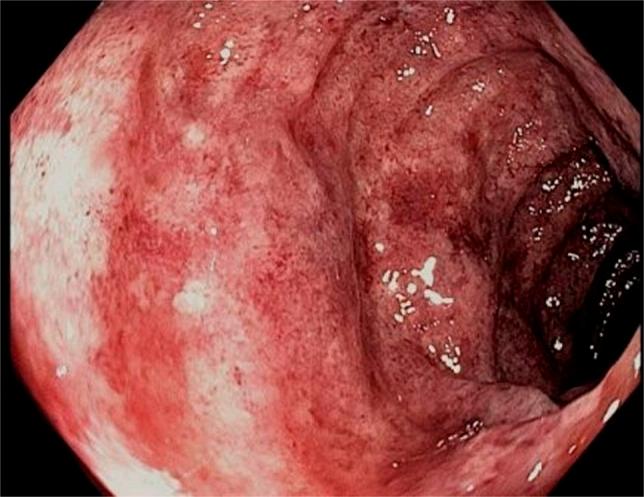
The use of the glucagon-like peptide-1 (GLP-1) and glucose-dependent insulinotropic polypeptide (GIP) receptor agonist tirzepatide has markedly increased for the treatment of weight loss and management of diabetes mellitus. Gastrointestinal adverse effects of GLP-1/GIP agonist therapy, including nausea, vomiting, and constipation, are common. We report a case of colonic ischemia in a 62-year-old woman which developed in association with the use of tirzepatide for weight loss. This report highlights a potential risk relationship between GLP-1/GIP agonist therapy and colonic ischemia and identifies risk factors that should be considered before prescribing tirzepatide.
胰高血糖素样肽-1(GLP-1)和葡萄糖依赖性促胰岛素多肽(GIP)受体激动剂替尔泊肽在减肥和糖尿病管理治疗中的使用显著增加。GLP-1/GIP激动剂疗法的胃肠道不良反应,包括恶心、呕吐和便秘,很常见。我们报告一例62岁女性的结肠缺血病例,该病例与使用替尔泊肽减肥有关。本报告强调了GLP-1/GIP激动剂疗法与结肠缺血之间的潜在风险关系,并确定了在开具替尔泊肽处方前应考虑的风险因素。
 Zotero 插件