
基于结合的正向撕裂原间隔激活的 CRISPR-Cas12a 系统及其在 microRNA 检测中的应用。
Binding-driven forward tearing protospacer activated CRISPR-Cas12a system and applications for microRNA detection.
机构信息
Key Laboratory of Clinical Laboratory Diagnostics (Ministry of Education), College of Laboratory Medicine, Chongqing Medical University, Chongqing, 400016, China.
Department of Clinical Laboratory, University-Town Hospital of Chongqing Medical University, Chongqing, 401331, China.
出版信息
J Nanobiotechnology. 2024 Nov 8;22(1):684. doi: 10.1186/s12951-024-02915-5.
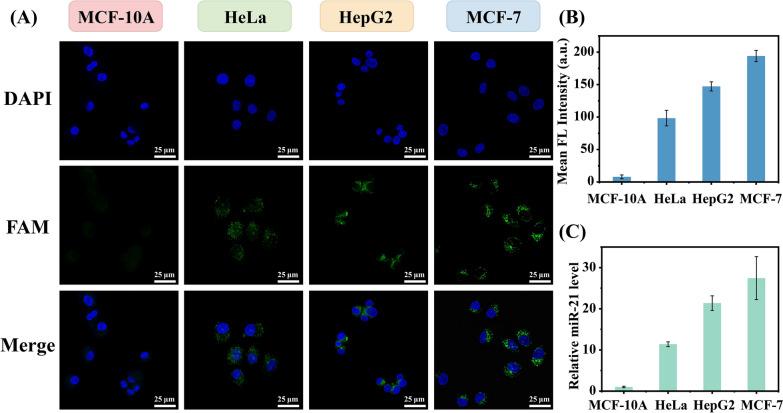
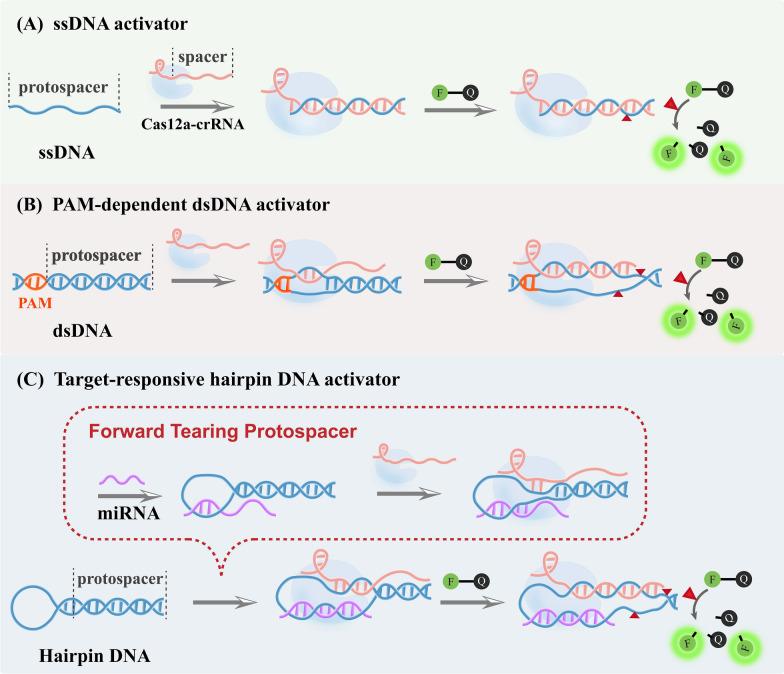
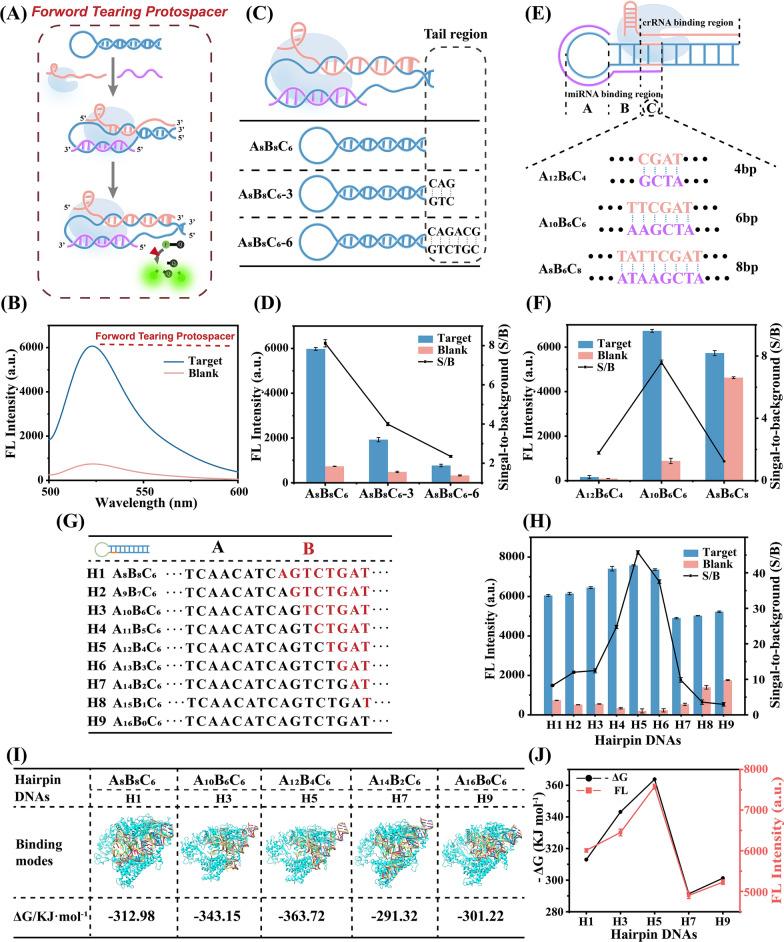
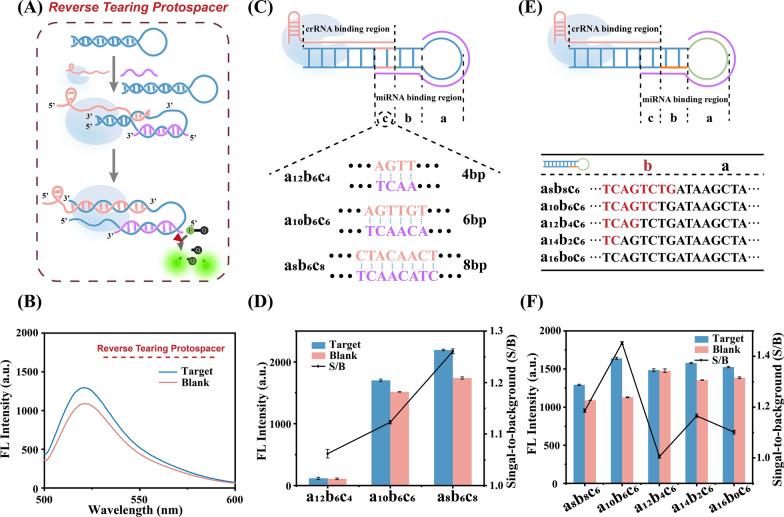
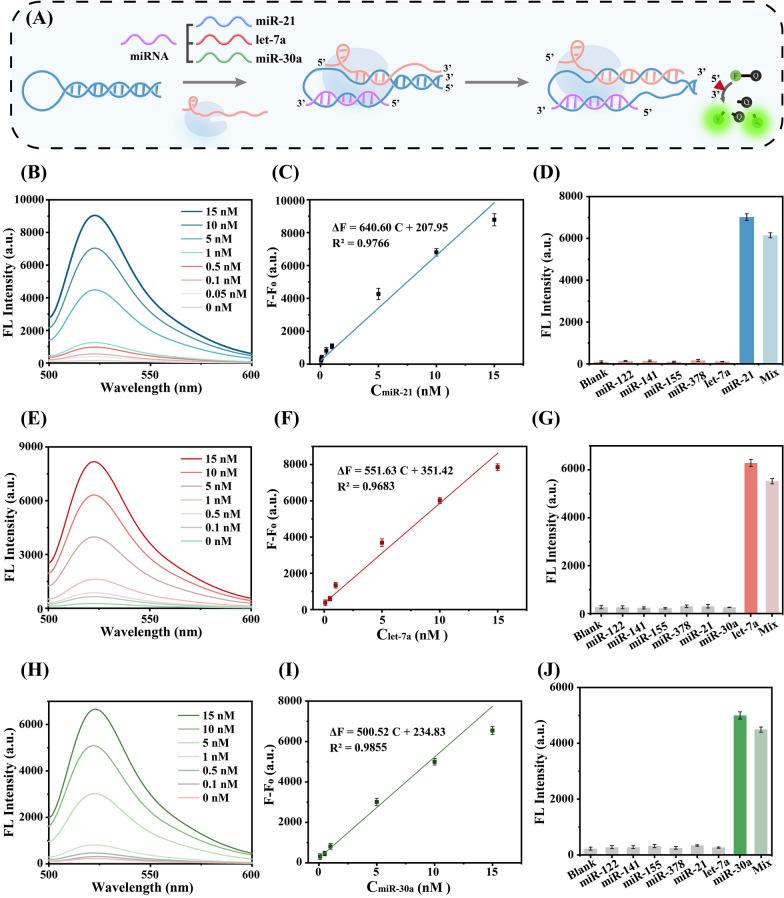
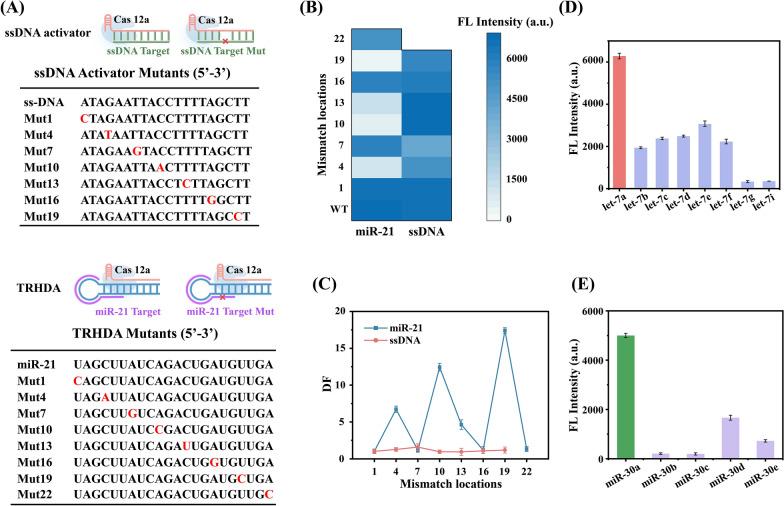
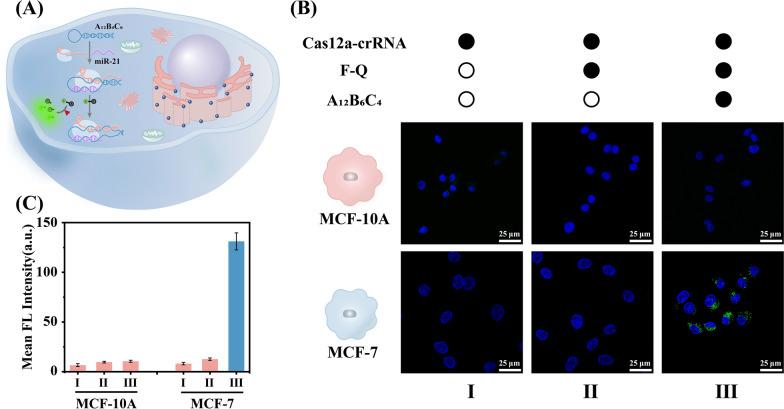
CRISPR-Cas12a system, characterized by its precise sequence recognition and cleavage activity, has emerged as a powerful and programmable tool for molecular diagnostics. However, current CRISPR-Cas12a-based nucleic acid detection methods, particularly microRNA (miRNA) detection, necessitate additional bio-engineering strategies to exert control over Cas12a activity. Herein, we propose an engineered target-responsive hairpin DNA activator (TRHDA) to mediate forward tearing protospacer activated CRISPR-Cas12a system, which enables direct miRNA detection with high specificity and sensitivity. Target miRNA specifically binding to hairpin DNA can drive forward tearing protospacer in the stem sequence of hairpin structure, facilitating the complementarity between crRNA spacer and protospacer to activate Cas12a. Upon the hairpin DNA as input-responsive activator of Cas12a, a universal biosensing method enables the multiple miRNAs (miR-21, let-7a, miR-30a) detection and also has exceptional capability in identifying single-base mismatches and distinguishing homologous let-7/miR-30 family members. Besides, TRHDA-mediated Cas12a-powered biosensing has realized the evaluation of miR-21 expression levels in diverse cellular contexts by intracellular imaging. Considering the easy programmability of hairpin DNA in responsive region, this strategy could expand for the other target molecules detection (e.g., proteins, micromolecules, peptides, exosomes), which offers significant implications for biomarkers diagnostics utilizing the CRISPR-Cas12a system toolbox.
CRISPR-Cas12a 系统以其精确的序列识别和切割活性为特点,已成为分子诊断的强大而可编程的工具。然而,当前基于 CRISPR-Cas12a 的核酸检测方法,特别是 microRNA (miRNA) 的检测,需要额外的生物工程策略来控制 Cas12a 的活性。在此,我们提出了一种工程化的靶标响应发夹 DNA 激活剂 (TRHDA),用于介导正向撕裂原间隔激活的 CRISPR-Cas12a 系统,从而实现高度特异性和灵敏度的直接 miRNA 检测。靶标 miRNA 特异性结合发夹 DNA 可以驱动发夹结构茎序列中的正向撕裂原间隔,促进 crRNA 间隔区和原间隔区之间的互补,从而激活 Cas12a。作为 Cas12a 的输入响应激活剂的发夹 DNA,通用的生物传感方法能够实现多种 miRNA(miR-21、let-7a、miR-30a)的检测,并且还具有识别单碱基错配和区分同源 let-7/miR-30 家族成员的卓越能力。此外,TRHDA 介导的 Cas12a 驱动的生物传感已经通过细胞内成像实现了不同细胞环境中 miR-21 表达水平的评估。考虑到响应区域中发夹 DNA 的可编程性,该策略可以扩展到其他靶标分子的检测(例如,蛋白质、小分子、肽、外泌体),这为利用 CRISPR-Cas12a 系统工具箱进行生物标志物诊断提供了重要意义。
 Zotero 插件