
白细胞跨内皮迁移相关基因与肿瘤微环境之间相互作用的泛癌格局及其与预后和免疫治疗反应的关系。
The pan-cancer landscape of crosstalk between leukocyte transendothelial migration-related genes and tumor microenvironment relevant to prognosis and immunotherapy response.
作者信息
Li Hao, Niu Xiaochen, Cheng Rui
机构信息
School of Health Sciences, The University of Manchester, Manchester, UK.
Shanxi Provincial Key Laboratory of Intelligent, Big Data and Digital Neurosurgery, Taiyuan, China.
出版信息
Transl Cancer Res. 2024 Oct 31;13(10):5247-5264. doi: 10.21037/tcr-24-556. Epub 2024 Oct 25.
BACKGROUND
Leukocyte transendothelial migration-related genes (LTEMGs) play a crucial role in the immune response and have been extensively studied in various pathological conditions, including inflammation, infection, and cancer. In recent years, increasing attention has been given to understanding the biological mechanisms of LTEMGs in the context of tumor progression and metastasis. The potential function of LTEMGs in cancer progression remains unclear. The aim of this study is to systematically delineate the relationship between LTEMGs and tumor prognosis and immune microenvironment at the pan-cancer level, providing new biomarkers for personalized immunotherapy.
METHODS
The gene alteration, messenger RNA (mRNA) expression, and prognostic value of LTEMGs in pan-cancer were evaluated using Bulk and single-cell RNA (scRNA) sequence data. The LTEMGs score was calculated by R package "GSVA". The association of LTEMGs score with tumor microenvironment and immunotherapy response were deeply explored.
RESULTS
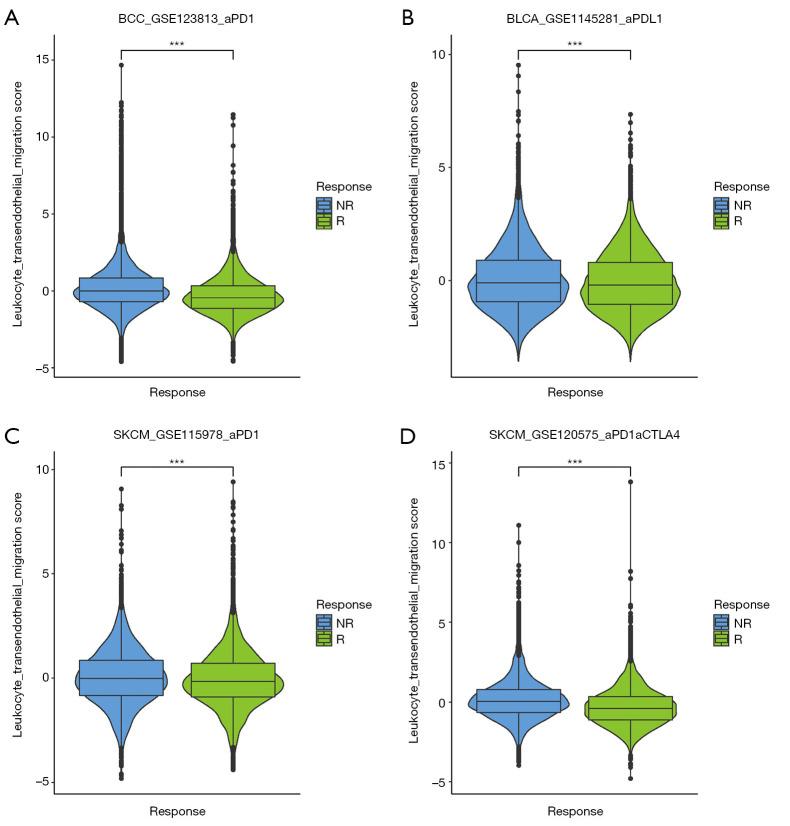
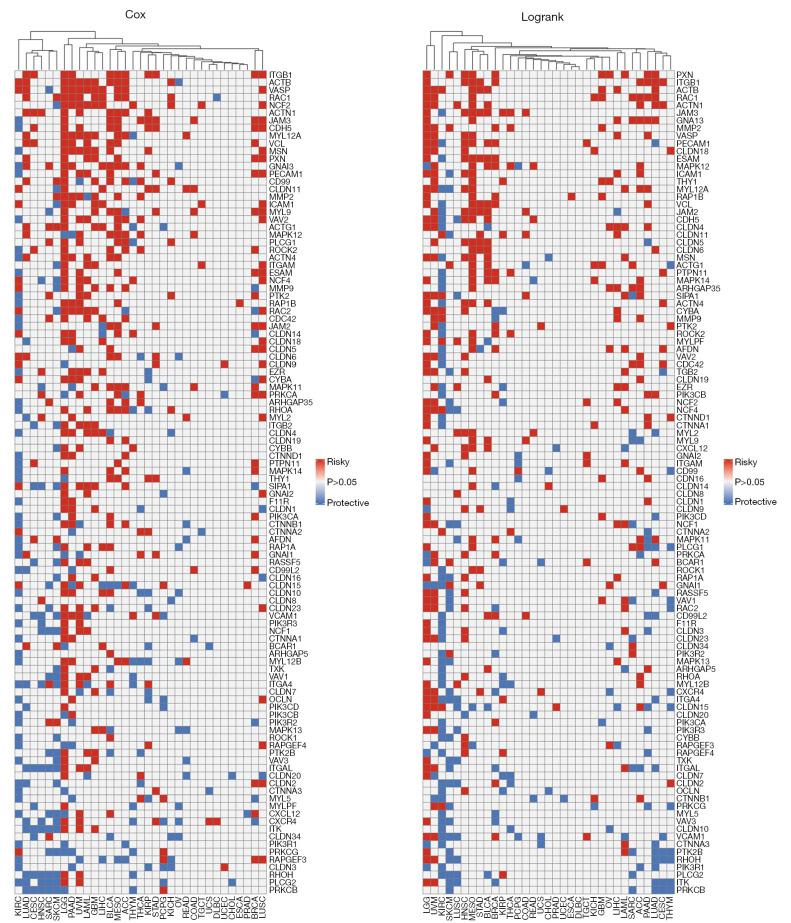
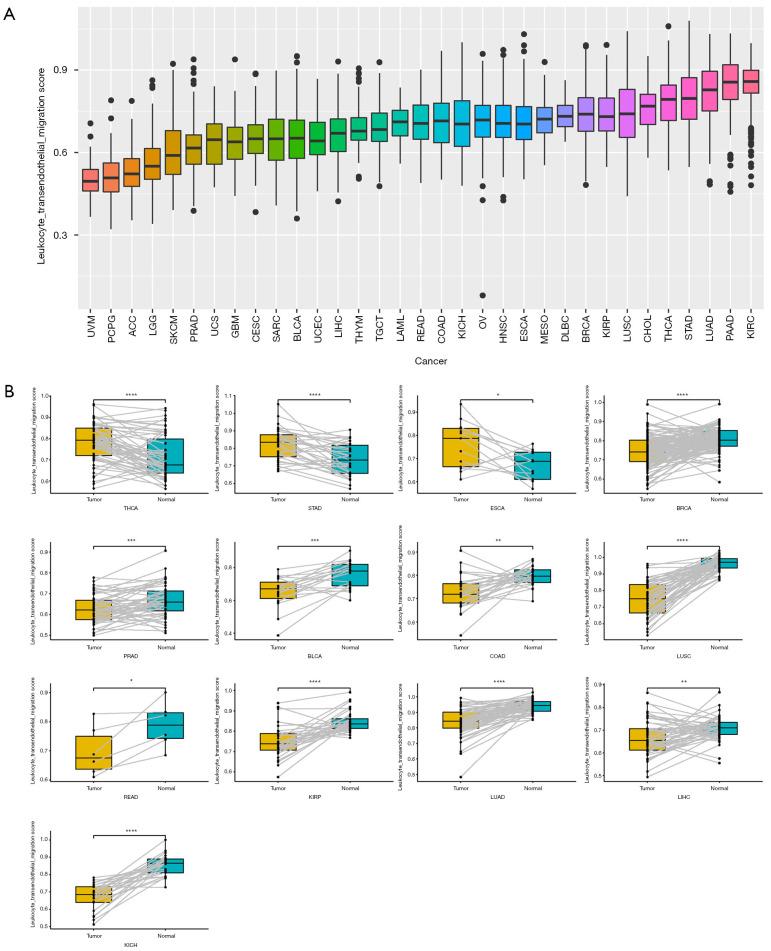
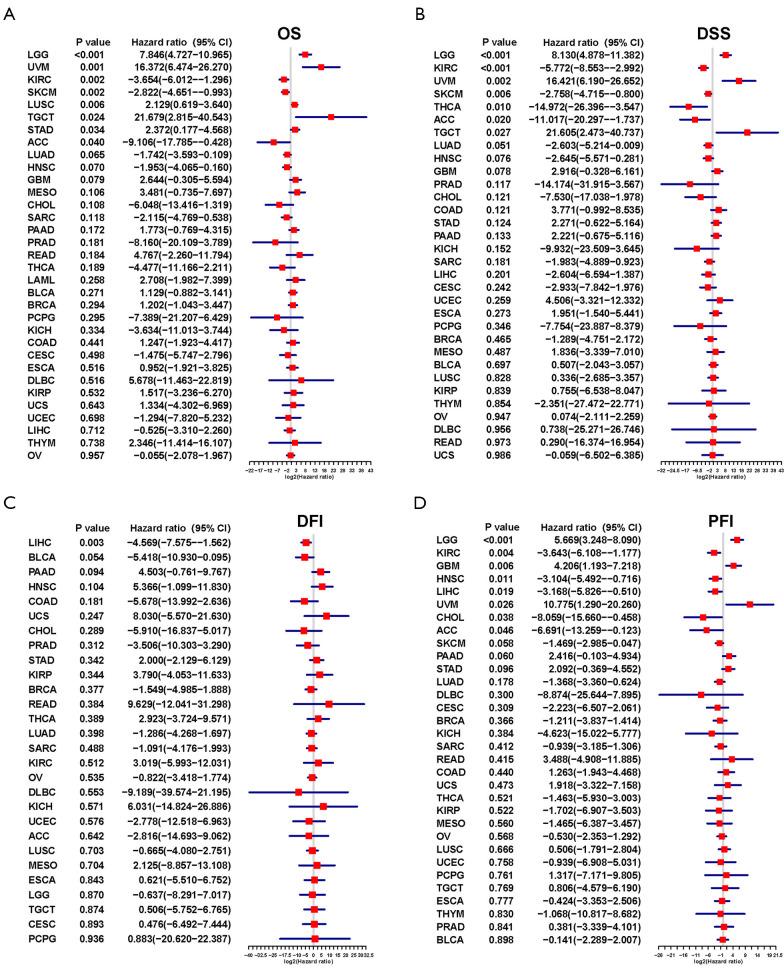
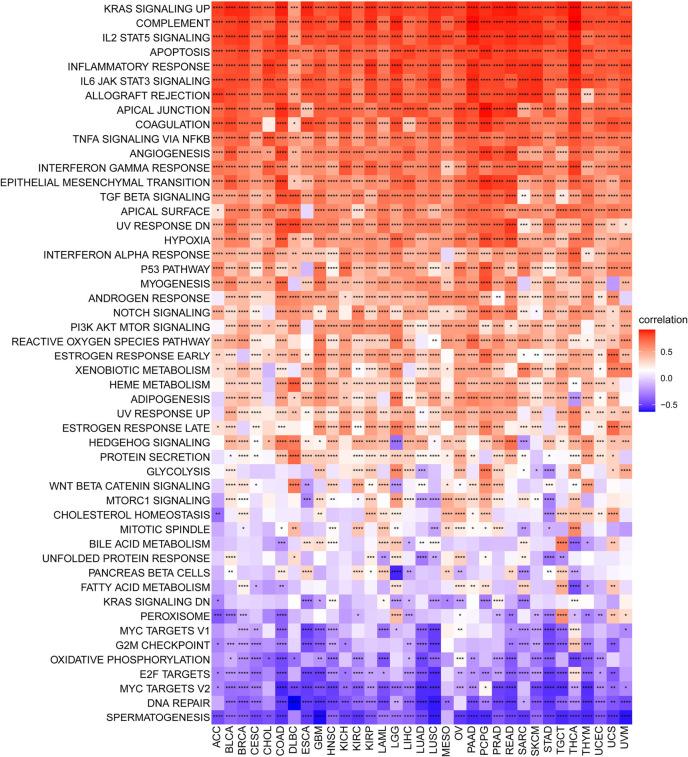
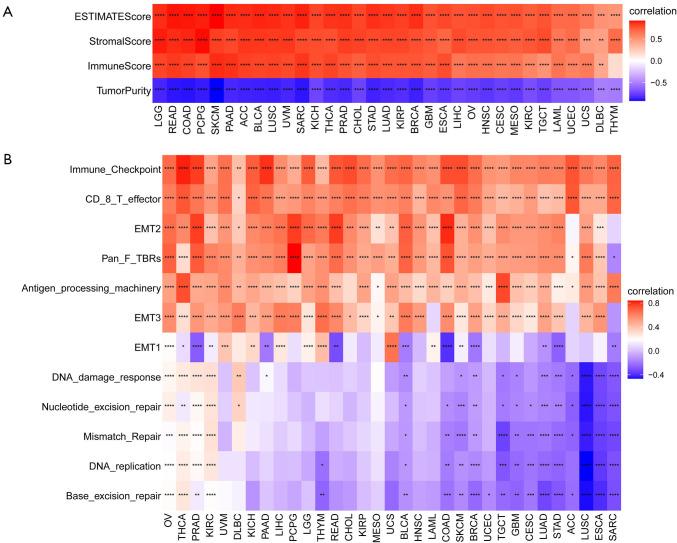
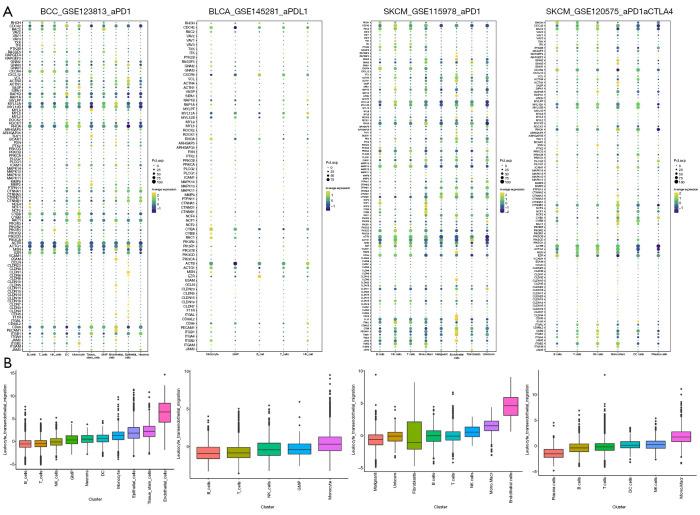
We assessed the mRNA expression of 114 LTEMGs across various cancers, finding significant upregulation in acute myeloid leukemia (LAML) and pancreatic adenocarcinoma (PAAD). Prognostic analysis indicated most LTEMGs were risk factors in low-grade glioma (LGG), PAAD, uveal melanoma (UVM), and LAML. The LTEMGs score, highest in kidney renal clear cell carcinoma (KIRC) and lowest in UVM, was higher in tumor tissues compared to normal tissues in several cancers. The score was a risk factor for overall survival (OS) in LGG, UVM, and others, but protective in KIRC and some others. LTEMGs score correlated positively with Kirsten rat sarcoma viral oncogene homolog (KRAS) signaling, apoptosis, and immune responses. It also correlated with immune and stromal scores, and immune-related pathways. Higher LTEMGs score was linked to greater immune cell infiltration and poorer immunotherapy outcomes. Single-cell analysis revealed higher LTEMGs score in endothelial and monocyte cells, consistent with reduced immunotherapy responsiveness.
CONCLUSIONS
Our results reveal that LTEMGs are closely associated with tumor microenvironment. Patients with high LTEMGs score might be resistant to immunotherapy.
背景
白细胞跨内皮迁移相关基因(LTEMGs)在免疫反应中起关键作用,并且已在各种病理状况下得到广泛研究,包括炎症、感染和癌症。近年来,人们越来越关注在肿瘤进展和转移的背景下理解LTEMGs的生物学机制。LTEMGs在癌症进展中的潜在功能仍不清楚。本研究的目的是在泛癌水平上系统地描绘LTEMGs与肿瘤预后和免疫微环境之间的关系,为个性化免疫治疗提供新的生物标志物。
方法
使用批量和单细胞RNA(scRNA)序列数据评估泛癌中LTEMGs的基因改变、信使核糖核酸(mRNA)表达和预后价值。LTEMGs评分由R包“GSVA”计算得出。深入探讨了LTEMGs评分与肿瘤微环境和免疫治疗反应的关联。
结果
我们评估了114个LTEMGs在各种癌症中的mRNA表达,发现在急性髓系白血病(LAML)和胰腺腺癌(PAAD)中显著上调。预后分析表明,大多数LTEMGs在低级别胶质瘤(LGG)、PAAD、葡萄膜黑色素瘤(UVM)和LAML中是危险因素。LTEMGs评分在肾透明细胞癌(KIRC)中最高,在UVM中最低,在几种癌症中肿瘤组织中的评分高于正常组织。该评分在LGG、UVM等中是总生存期(OS)的危险因素,但在KIRC和其他一些癌症中具有保护作用。LTEMGs评分与 Kirsten大鼠肉瘤病毒癌基因同源物(KRAS)信号传导、凋亡和免疫反应呈正相关。它还与免疫和基质评分以及免疫相关途径相关。较高的LTEMGs评分与更多的免疫细胞浸润和较差的免疫治疗结果相关。单细胞分析显示内皮细胞和单核细胞中LTEMGs评分较高,这与免疫治疗反应性降低一致。
结论
我们的结果表明LTEMGs与肿瘤微环境密切相关。LTEMGs评分高的患者可能对免疫治疗耐药。



 Zotero 插件