
动脉粥样硬化中的炎症:病理生理学和机制。
Inflammation in atherosclerosis: pathophysiology and mechanisms.
机构信息
Department of Biomedical Engineering, University of Alabama at Birmingham, Birmingham, AL, 35294, USA.
Alzheimer's Center at Temple, Lewis Katz School of Medicine, Temple University, Philadelphia, PA, 19140, USA.
出版信息
Cell Death Dis. 2024 Nov 11;15(11):817. doi: 10.1038/s41419-024-07166-8.
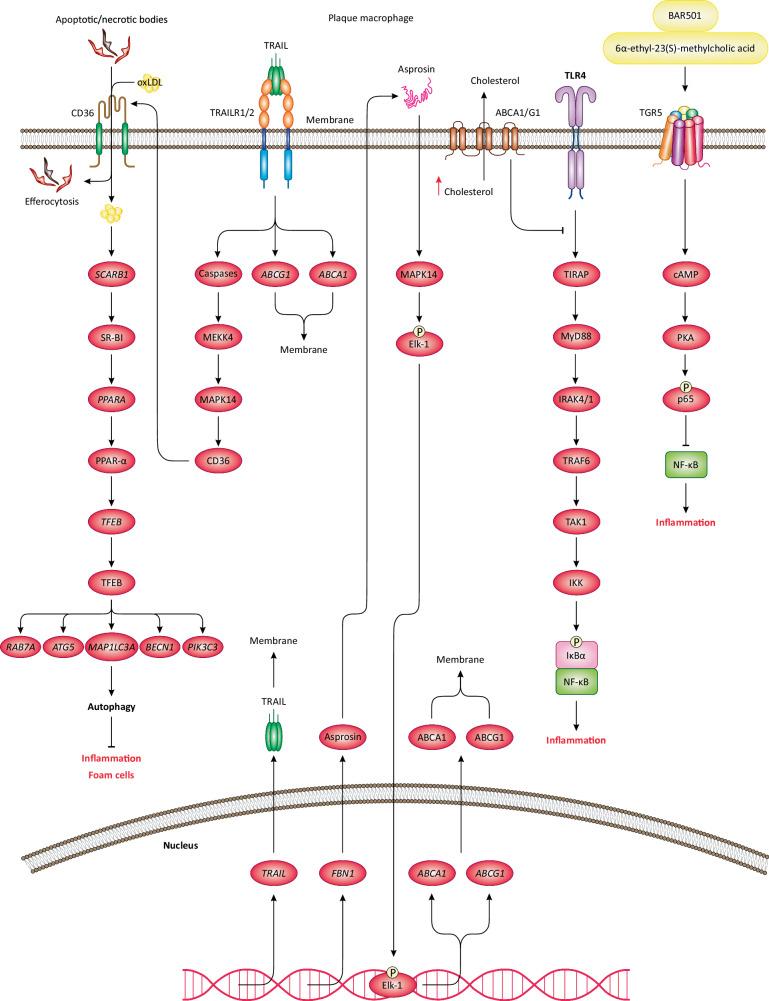
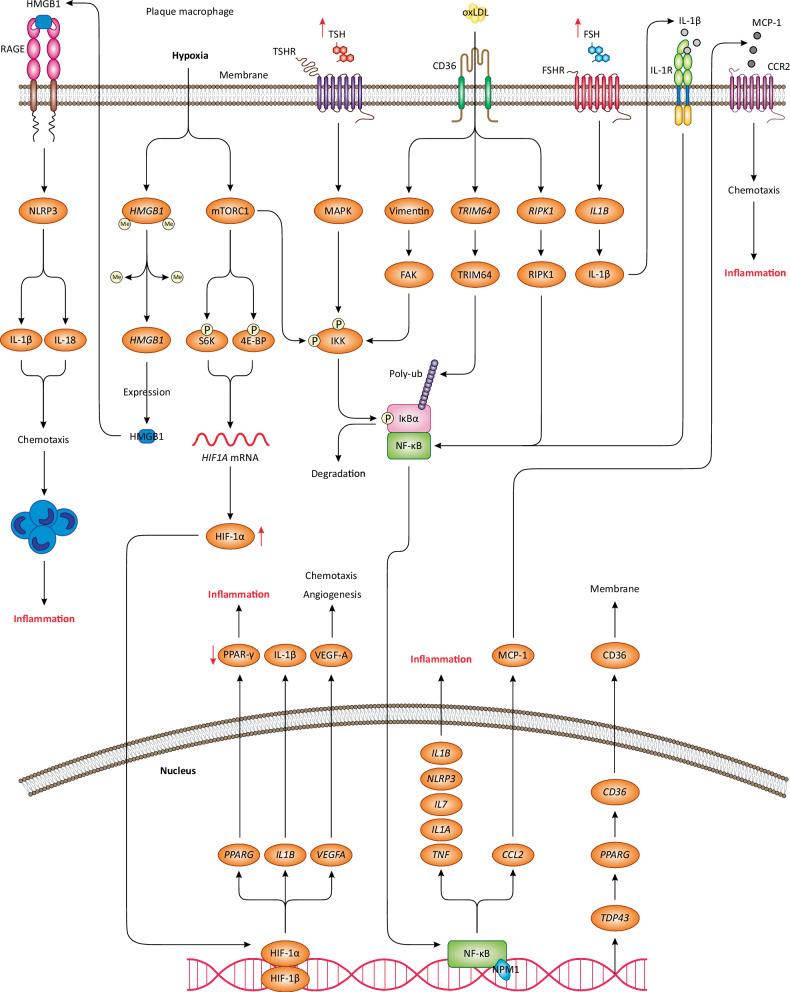
Atherosclerosis imposes a heavy burden on cardiovascular health due to its indispensable role in the pathogenesis of cardiovascular disease (CVD) such as coronary artery disease and heart failure. Ample clinical and experimental evidence has corroborated the vital role of inflammation in the pathophysiology of atherosclerosis. Hence, the demand for preclinical research into atherosclerotic inflammation is on the horizon. Indeed, the acquisition of an in-depth knowledge of the molecular and cellular mechanisms of inflammation in atherosclerosis should allow us to identify novel therapeutic targets with translational merits. In this review, we aimed to critically discuss and speculate on the recently identified molecular and cellular mechanisms of inflammation in atherosclerosis. Moreover, we delineated various signaling cascades and proinflammatory responses in macrophages and other leukocytes that promote plaque inflammation and atherosclerosis. In the end, we highlighted potential therapeutic targets, the pros and cons of current interventions, as well as anti-inflammatory and atheroprotective mechanisms.
动脉粥样硬化在心血管疾病(CVD)的发病机制中起着不可或缺的作用,如冠状动脉疾病和心力衰竭,因此给心血管健康带来了沉重负担。大量的临床和实验证据证实了炎症在动脉粥样硬化病理生理学中的重要作用。因此,对动脉粥样硬化炎症的临床前研究的需求迫在眉睫。事实上,深入了解动脉粥样硬化炎症的分子和细胞机制,应该使我们能够识别具有转化价值的新的治疗靶点。在这篇综述中,我们旨在批判性地讨论和推测最近发现的动脉粥样硬化炎症的分子和细胞机制。此外,我们描述了促进斑块炎症和动脉粥样硬化的巨噬细胞和其他白细胞中的各种信号级联和促炎反应。最后,我们强调了潜在的治疗靶点、当前干预措施的优缺点以及抗炎和动脉保护机制。

 Zotero 插件