
身体活动与久坐行为对老年人执行功能的综合影响:一项横断面研究
The Combined Impact of Physical Activity and Sedentary Behavior on Executive Functions in Older Adults: A Cross-Sectional Study.
作者信息
Chen Hung-Yu, Hung Chen-Sin, Wu Ting-Ting, Ren Fei-Fei, Chang Yu-Kai, Chen Feng-Tzu
机构信息
Department of Sports Medicine, China Medical University, Taichung, Taiwan.
Department of Physical Education and Sport Sciences, National Taiwan Normal University, Taipei, Taiwan.
出版信息
Psychol Res Behav Manag. 2024 Nov 7;17:3851-3861. doi: 10.2147/PRBM.S486089. eCollection 2024.
BACKGROUND
The interplay between physical activity (PA) and sedentary behavior (SB) significantly influences cognitive health in older adults, with executive functions (EFs) being particularly vulnerable to lifestyle factors. However, previous research on older adults focused mainly on PA and is limited due to the lack of comprehensive consideration of other factors that influence EFs. Current guidelines suggest an association between sedentary behavior (SB) and EFs, yet few studies have examined the combined effects of PA and SB on EFs.
OBJECTIVE
This cross-sectional study aimed to explore the relationship between PA, SB, and EFs in older adults.
METHODS
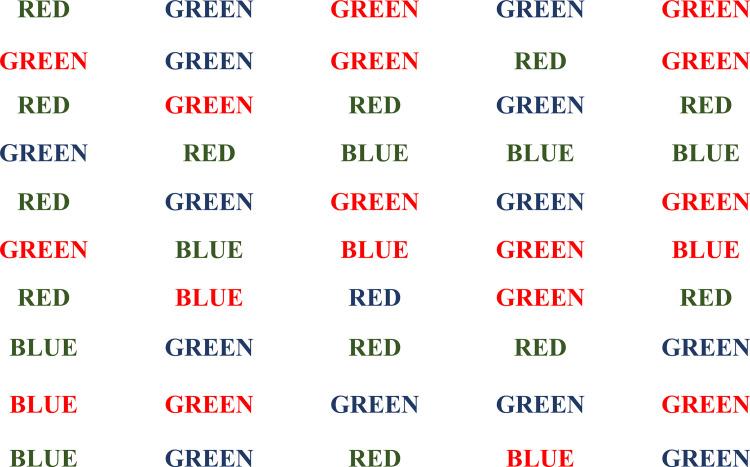
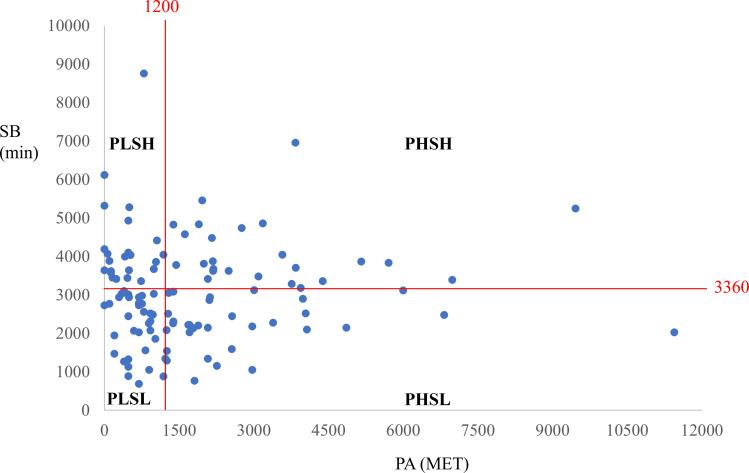
A total of 116 healthy older adults aged ≥65 years were recruited and categorized into four groups based on activity lifestyles: higher PA and higher SB (PHSH); higher PA and lower SB (PHSL); lower PA and higher SB (PLSH); and lower PA and lower SB (PLSL). EFs were assessed using the Tower of London (TOL) task and the Stroop test, which measure high-order EFs (planning and problem-solving) and core EFs (inhibitory control), respectively.
RESULTS
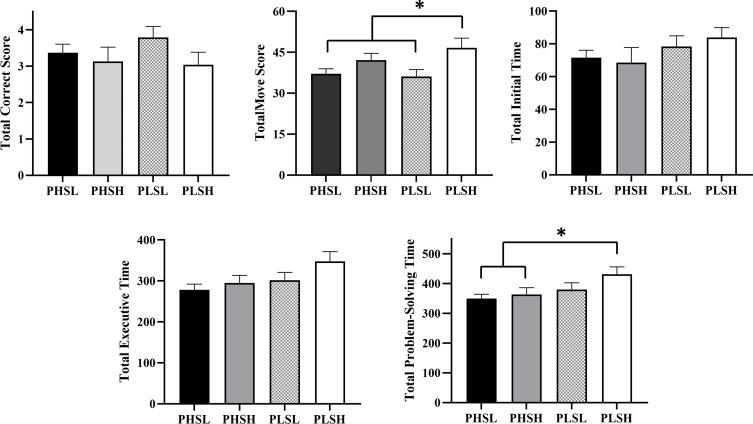
The PHSL group performed better on the TOL task, with lower total move scores and shorter total problem-solving times, compared to the PLSH group. The total move score of the PLSL group was better, and the total problem-solving time of the PHSH group was shorter than those of the PLSH group. However, the Stroop test scores did not differ between the four groups.
CONCLUSION
These findings suggest that increasing PA or reducing SB selectively enhances executive functions, particularly in planning and problem-solving, while less impacting inhibitory control in older adults. This highlights the importance of considering the nuanced effects of PA and SB on different aspects of executing functioning in older adults.
背景
身体活动(PA)与久坐行为(SB)之间的相互作用对老年人的认知健康有显著影响,其中执行功能(EFs)特别容易受到生活方式因素的影响。然而,以往针对老年人的研究主要集中在身体活动方面,由于缺乏对影响执行功能的其他因素的综合考虑,研究存在局限性。当前指南表明久坐行为(SB)与执行功能之间存在关联,但很少有研究考察身体活动和久坐行为对执行功能的综合影响。
目的
这项横断面研究旨在探讨老年人的身体活动、久坐行为与执行功能之间的关系。
方法
共招募了116名年龄≥65岁的健康老年人,并根据活动生活方式将其分为四组:高身体活动和高久坐行为(PHSH);高身体活动和低久坐行为(PHSL);低身体活动和高久坐行为(PLSH);低身体活动和低久坐行为(PLSL)。使用伦敦塔(TOL)任务和斯特鲁普测试评估执行功能,这两项测试分别测量高阶执行功能(计划和解决问题)和核心执行功能(抑制控制)。
结果
与PLSH组相比,PHSL组在TOL任务中的表现更好,总移动得分更低,总解决问题时间更短。PLSL组的总移动得分更好,PHSH组的总解决问题时间比PLSH组更短。然而,四组之间的斯特鲁普测试得分没有差异。
结论
这些发现表明,增加身体活动或减少久坐行为可选择性地增强执行功能,特别是在计划和解决问题方面,而对老年人抑制控制的影响较小。这突出了考虑身体活动和久坐行为对老年人执行功能不同方面的细微影响的重要性。

 Zotero 插件