
结核分枝杆菌细胞周期的单细胞成像显示出线性和异质生长。
Single-cell imaging of the Mycobacterium tuberculosis cell cycle reveals linear and heterogenous growth.
机构信息
Department of Molecular Biology and Microbiology, Tufts University School of Medicine and Stuart B. Levy Center for Integrated Management of Antimicrobial Resistance, Boston, MA, USA.
John A. Paulson School of Engineering and Applied Sciences, Harvard University, Cambridge, MA, USA.
出版信息
Nat Microbiol. 2024 Dec;9(12):3332-3344. doi: 10.1038/s41564-024-01846-z. Epub 2024 Nov 15.
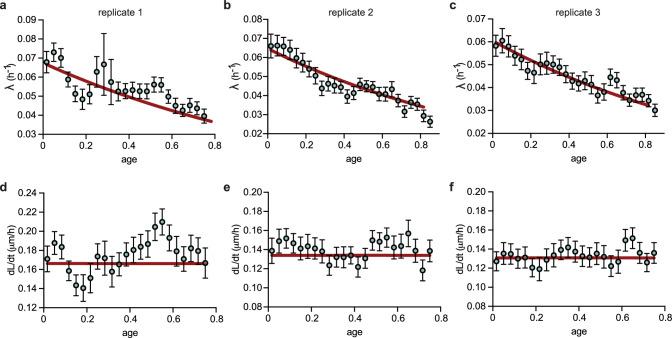
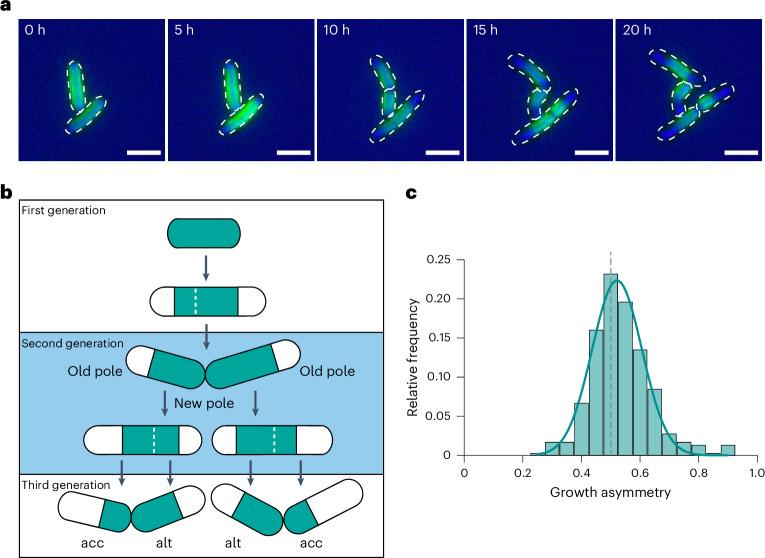
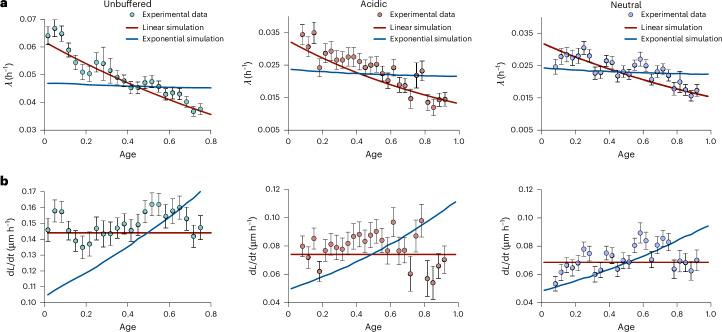
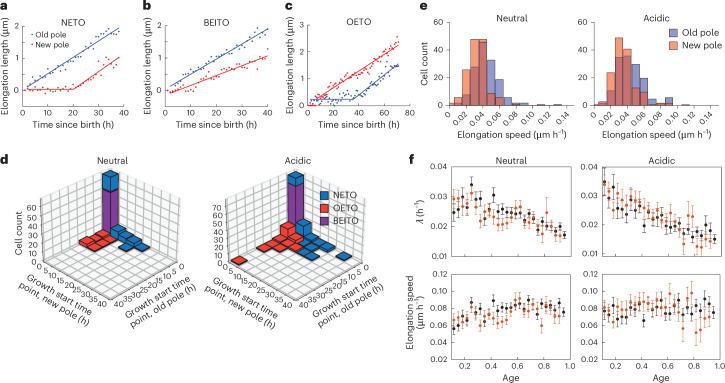
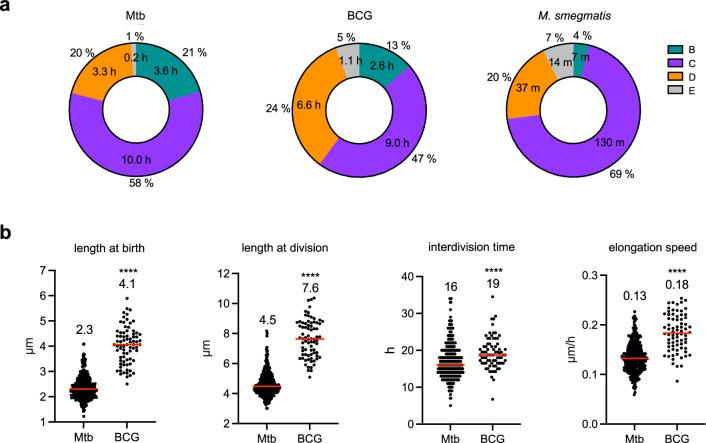
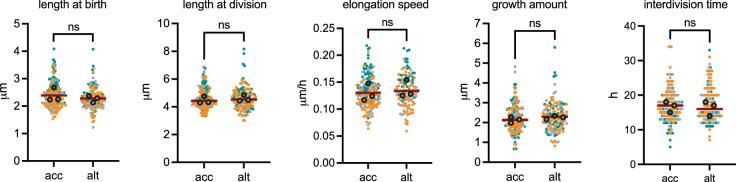
Difficulties in antibiotic treatment of Mycobacterium tuberculosis (Mtb) are partly thought to be due to heterogeneity in growth. Although the ability of bacterial pathogens to regulate growth is crucial to control homeostasis, virulence and drug responses, single-cell growth and cell cycle behaviours of Mtb are poorly characterized. Here we use time-lapse, single-cell imaging of Mtb coupled with mathematical modelling to observe asymmetric growth and heterogeneity in cell size, interdivision time and elongation speed. We find that, contrary to Mycobacterium smegmatis, Mtb initiates cell growth not only from the old pole but also from new poles or both poles. Whereas most organisms grow exponentially at the single-cell level, Mtb has a linear growth mode. Our data show that the growth behaviour of Mtb diverges from that of model bacteria, provide details into how Mtb grows and creates heterogeneity and suggest that growth regulation may also diverge from that in other bacteria.
分枝杆菌(Mycobacterium tuberculosis,Mtb)的抗生素治疗困难部分归因于其生长的异质性。尽管细菌病原体调节生长的能力对于控制体内平衡、毒力和药物反应至关重要,但 Mtb 的单细胞生长和细胞周期行为特征描述不足。本研究通过 Mtb 的延时、单细胞成像与数学建模相结合,观察到不对称生长和细胞大小、细胞分裂时间和伸长速度的异质性。结果表明,与耻垢分枝杆菌(Mycobacterium smegmatis)不同,Mtb 不仅可以从旧极,也可以从新极或两极开始细胞生长。虽然大多数生物体在单细胞水平上呈指数增长,但 Mtb 具有线性生长模式。本研究的数据表明,Mtb 的生长行为与模式细菌不同,详细说明了 Mtb 的生长方式以及如何产生异质性,并提示生长调控可能也与其他细菌不同。




 Zotero 插件