
不只是一个数字:生命极端状态下的肠道微生物组和大脑功能。
More than just a number: the gut microbiota and brain function across the extremes of life.
机构信息
APC Microbiome Ireland, University College Cork, Cork, Ireland.
Department of Anatomy and Neuroscience, University College Cork, Cork, Ireland.
出版信息
Gut Microbes. 2024 Jan-Dec;16(1):2418988. doi: 10.1080/19490976.2024.2418988. Epub 2024 Nov 20.
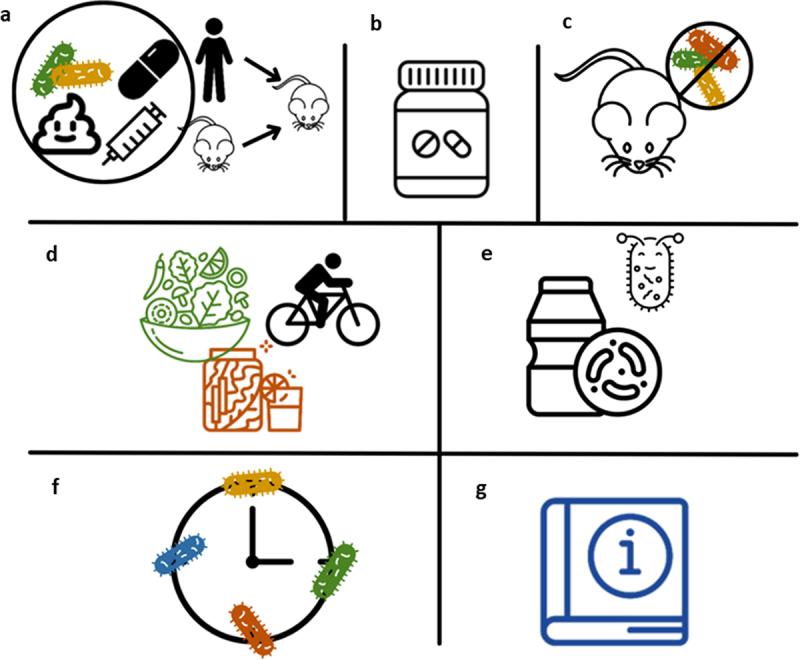
Understanding the interrelationship between the gut microbiota and host physiology, although still in its relative infancy, has taken important steps forward over the past decade. In the context of brain disorders including those characterized by neurodevelopmental and neurodegenerative changes there have been important advances. However, initially research involved correlational analyses, had limited translational scope, and lacked functional assessments. Thus, largescale longitudinal clinical investigations that assess causation and underlying mechanisms via in depth analysis methods are needed. In neurodegeneration research, strong causal evidence now links the gut microbiome to Alzheimer's (AD), and Parkinson's Disease (PD), as supported by human-to-animal transplantation studies. Longitudinal interventions are being conducted in AD, PD, amyotrophic lateral sclerosis, Huntington's disease, and multiple sclerosis. Neurodevelopmental research has also seen a boon in microbiome-related clinical research including in autism, Attention-deficit/hyperactivity disorder, and schizophrenia, which is confirming prior animal model work regarding the key time-windows in the gut microbiome important for infant cognition. While recent research advances represent important progress, fundamental knowledge gaps and obstacles remain. Knowing how and why the gut microbiome changes at the extremes of life will develop our mechanistic understanding and help build the evidence base as we strive toward counteracting microbial missteps with precision therapeutic interventions.
尽管对肠道微生物组与宿主生理学之间的相互关系的理解仍处于相对初期阶段,但在过去十年中已经取得了重要的进展。在包括神经发育和神经退行性变化为特征的脑疾病的背景下,已经取得了重要的进展。然而,最初的研究涉及相关性分析,具有有限的转化范围,并且缺乏功能评估。因此,需要进行大规模的纵向临床研究,通过深入的分析方法评估因果关系和潜在机制。在神经退行性疾病研究中,肠道微生物组与阿尔茨海默病(AD)和帕金森病(PD)之间的强烈因果关系证据得到了支持,这得到了人类到动物移植研究的支持。正在对 AD、PD、肌萎缩侧索硬化症、亨廷顿病和多发性硬化症进行纵向干预。神经发育研究也在微生物组相关的临床研究中取得了进展,包括自闭症、注意缺陷/多动障碍和精神分裂症,这些研究证实了先前动物模型研究中关于肠道微生物组对婴儿认知至关重要的关键时间窗口的工作。虽然最近的研究进展代表了重要的进展,但仍存在基本的知识差距和障碍。了解肠道微生物组在生命极限时如何以及为何发生变化将有助于我们深入了解其机制,并有助于在我们努力通过精确的治疗干预来纠正微生物错误时建立证据基础。


 Zotero 插件