
成人对 COVID-19 疫苗接种的接受犹豫及其影响因素的系统评价研究。
Acceptance-Hesitancy of COVID-19 Vaccination and Factors Affecting It in Adults: Systematic Review Study.
机构信息
Molecular Microbiology Research Center, Shahed University, Tehran, Iran.
Department of Microbiology and Immunology, School of Medicine, Kashan University of Medical Sciences, Kashan, Iran.
出版信息
Immun Inflamm Dis. 2024 Nov;12(11):e70076. doi: 10.1002/iid3.70076.
BACKGROUND
Despite the advent of vaccines against COVID-19, there is considerable variation in the acceptance and hesitancy towards the vaccination program across different countries. The objective of this study was to ascertain the prevalence of hesitancy and acceptance regarding the use of the vaccine against the novel coronavirus, also known as COVID-19, and to identify the factors that influence these attitudes.
MATERIALS AND METHODS
All the cross-sectional studies were retrieved from the PubMed databases, the Web of Science ISI, Scopus, and the Cochrane Library. Papers published in English between 2 November 2019 and 23 May 2023 were subjected to further assessment based on their title, abstract, and main text, with a view to ensuring their relevance to the present study.
RESULTS
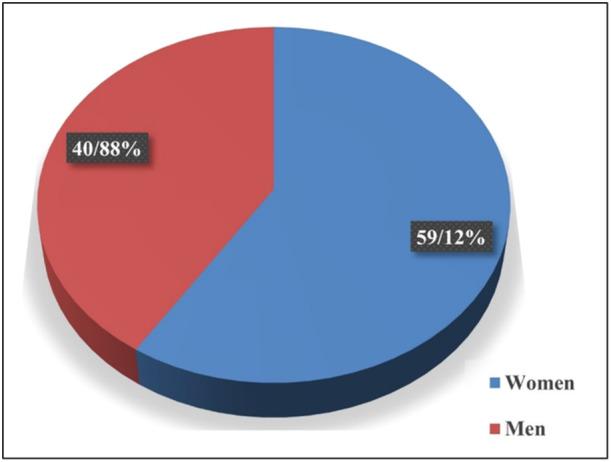
Following an exhaustive investigation, 59 studies were selected for screening in this systematic review. The most frequently employed method of data collection was the online survey. The study sample comprised 59.12% women and 40.88% men, with ages ranging from 16 to 78 years. The proportion of individuals accepting the vaccine ranged from 13% to 96%, while the proportion of those exhibiting hesitancy ranged from 0% to 57.5%. The primary reasons for accepting the COIVD-19 vaccine were a heightened perception of risk associated with the virus and a general trust in the healthcare system. The most frequently cited reasons for vaccine hesitancy in the context of the ongoing pandemic include concerns about the potential dangers of the vaccines, the rapid pace of their development, the possibility of adverse effects (such as infertility or death), and the assumption that they have been designed to inject microchips.
DISCUSSION
A variety of socio-demographic factors are implicated in determining the rate of vaccine acceptance. A number of socio-demographic factors have been identified as influencing vaccine acceptance. These include high income, male gender, older age, marriage, the presence of older children who have been vaccinated and do not have chronic diseases, high education, and health insurance coverage.
CONCLUSION
Eliminating vaccine hesitancy or increasing vaccine acceptance is a crucial factor that should be addressed through various means and in collaboration with regulatory and healthcare organizations.
背景
尽管已经出现了针对 COVID-19 的疫苗,但不同国家对疫苗接种计划的接受度和犹豫程度存在相当大的差异。本研究的目的是确定对新型冠状病毒疫苗的使用的犹豫和接受程度的流行率,并确定影响这些态度的因素。
材料和方法
所有的横断面研究都从 PubMed 数据库、Web of Science ISI、Scopus 和 Cochrane 图书馆中检索到。根据标题、摘要和正文进一步评估了 2019 年 11 月 2 日至 2023 年 5 月 23 日期间发表的英文论文,以确保与本研究相关。
结果
经过全面调查,本系统评价共筛选出 59 项研究。最常用的数据收集方法是在线调查。研究样本包括 59.12%的女性和 40.88%的男性,年龄从 16 岁到 78 岁不等。接受疫苗的比例从 13%到 96%不等,而犹豫不决的比例从 0%到 57.5%不等。接受 COVID-19 疫苗的主要原因是对与病毒相关的风险有更高的认识,以及对医疗保健系统的普遍信任。在当前大流行的背景下,疫苗犹豫的最常见原因包括对疫苗潜在危险的担忧、疫苗开发的快速步伐、可能的副作用(如不孕或死亡)以及假设它们是为了注射微芯片而设计的。
讨论
许多社会人口因素与疫苗接种率的确定有关。已经确定了一些社会人口因素会影响疫苗接种的接受度。这些因素包括高收入、男性、年龄较大、已婚、有已接种疫苗且没有慢性疾病的年长子女、高教育水平和医疗保险覆盖范围。
结论
消除疫苗犹豫或提高疫苗接种率是一个至关重要的因素,应通过各种手段并与监管和医疗保健组织合作来解决。



 Zotero 插件