
用于生物系统中超氧阴离子、一氧化氮和过氧亚硝酸盐阴离子检测的小分子荧光探针的最新进展。
Recent progress in small-molecule fluorescent probes for the detection of superoxide anion, nitric oxide, and peroxynitrite anion in biological systems.
作者信息
Zhou Yongqing, Kuang Xuan, Yang Xiaofeng, Li Juan, Wei Xianzhe, Jang Won Jun, Zhang Shan-Shan, Yan Mei, Yoon Juyoung
机构信息
School of Chemistry and Chemical Engineering, University of Jinan Jinan 250022 People's Republic of China
Key Laboratory of Optic-Electric Sensing and Analytical Chemistry for Life Science, MOE, College of Chemistry and Molecular Engineering, Qingdao University of Science and Technology Qingdao 266042 People's Republic of China.
出版信息
Chem Sci. 2024 Nov 20;15(47):19669-19697. doi: 10.1039/d4sc06722c. eCollection 2024 Dec 4.
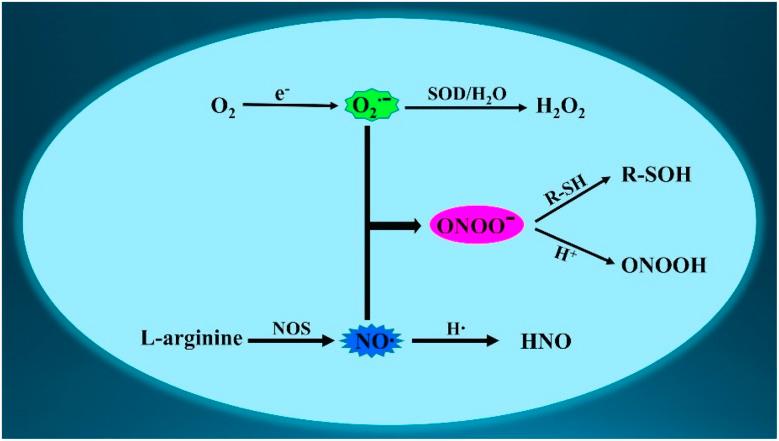
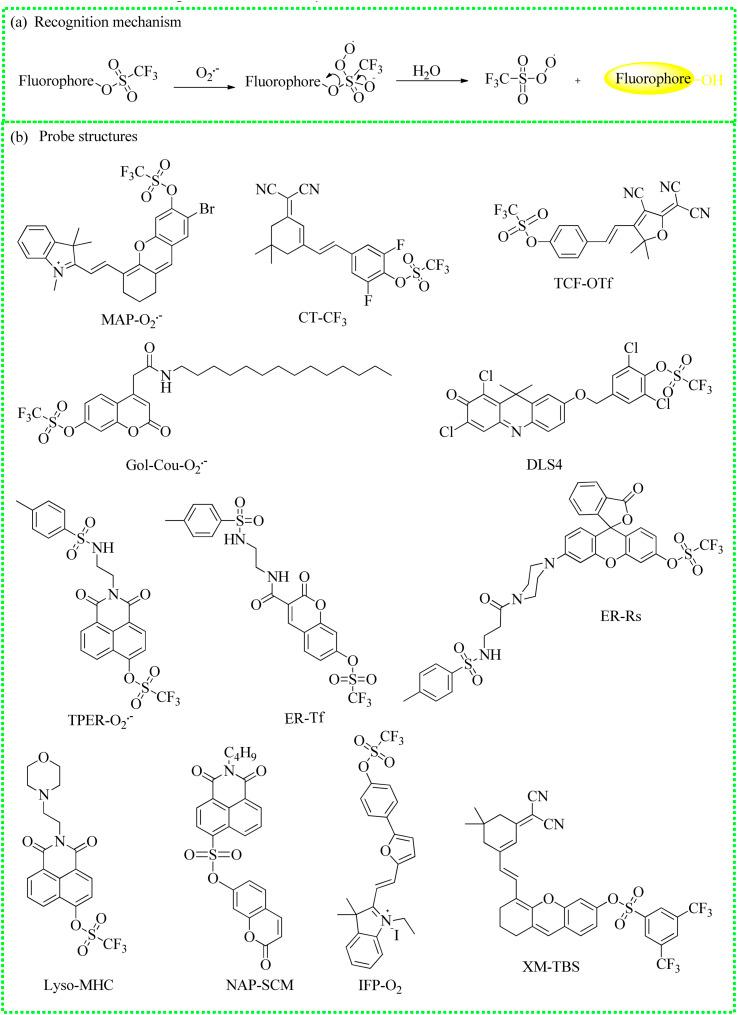
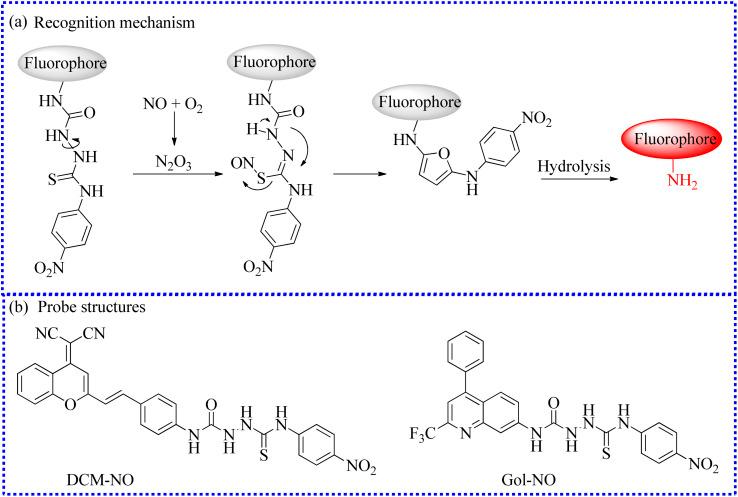
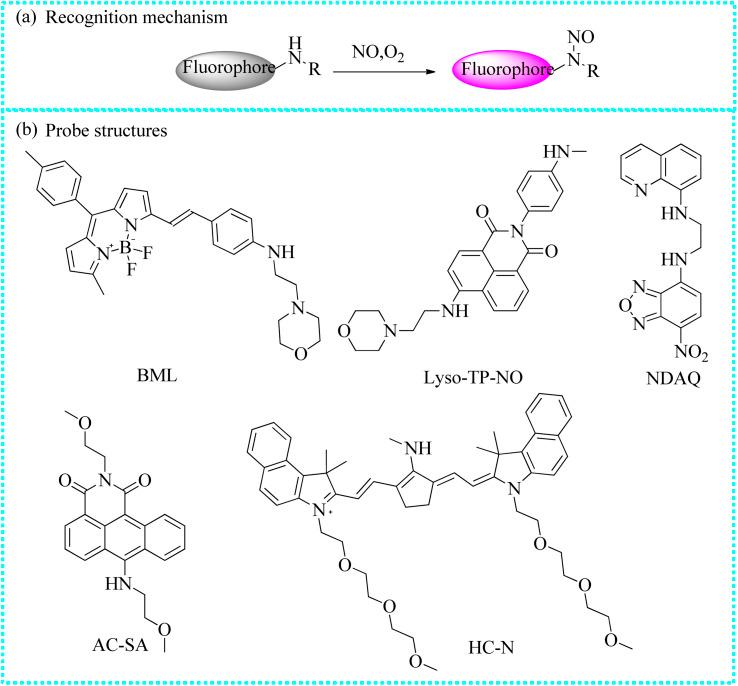
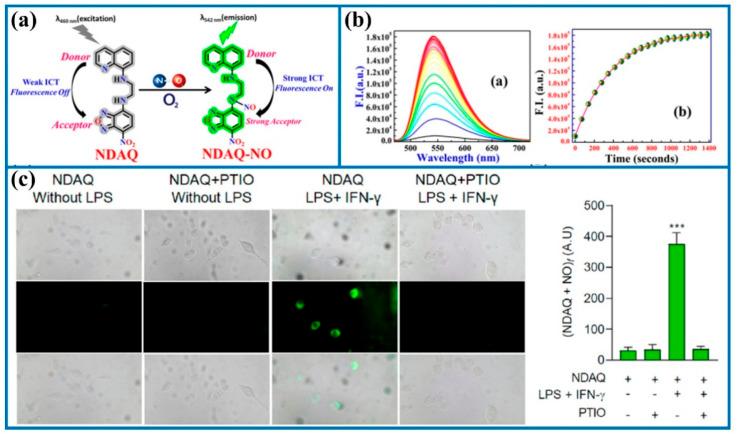
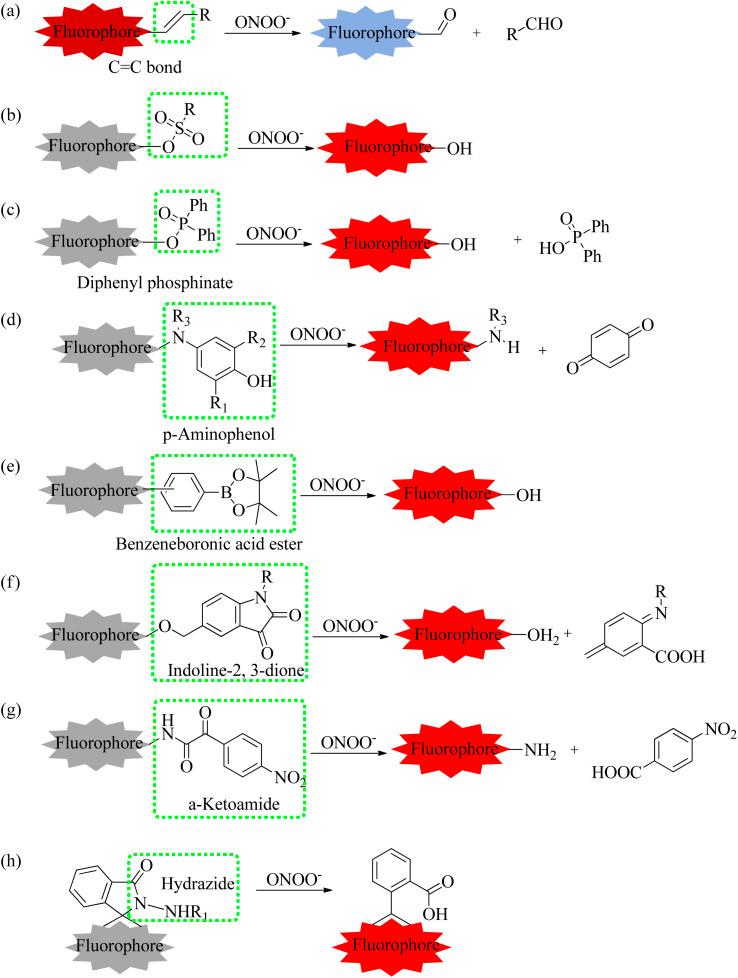
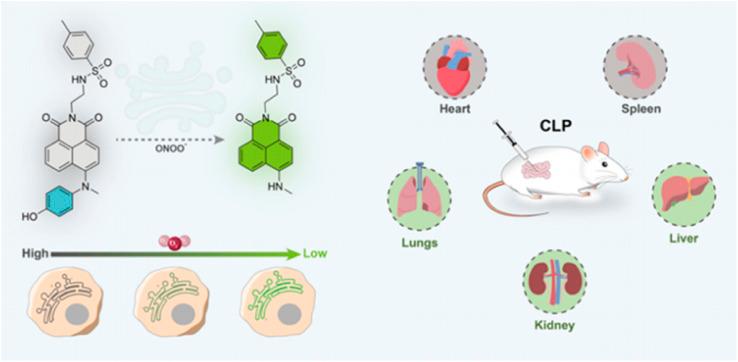
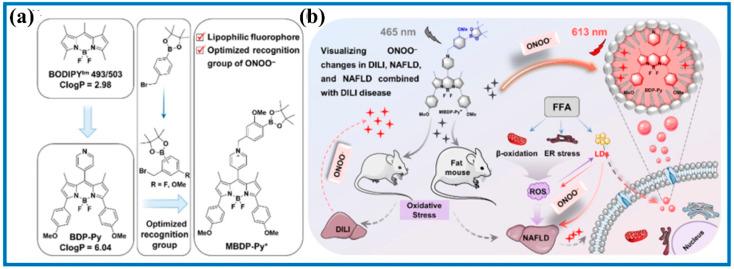
Superoxide anion (O˙), nitric oxide (NO), and peroxynitrite anion (ONOO) play essential roles in physiological and pathological processes, which are related to various symptoms and diseases. There is a growing need to develop reliable techniques for effectively monitoring the changes in these three reactive species across different molecular events. Currently, small-molecule fluorescent probes have been demonstrated to be reliable imaging tools for the optical detection and biological analysis of reactive species in biological systems due to their high spatiotemporal resolution and capabilities. In consideration of the distinct features of these three reactive species, abundant fluorescent probes have been developed to meet various requirements. In this context, we systematically summarized the latest progress (2020-2023) in organic fluorescent probes for monitoring O˙, NO, and ONOO in living systems. Furthermore, the working principles and biological applications of representative fluorescent probes were illustrated. Moreover, we highlighted the current challenges and future trends of fluorescent probes, offering general insights into future research.
超氧阴离子(O˙)、一氧化氮(NO)和过氧亚硝酸盐阴离子(ONOO)在生理和病理过程中发挥着重要作用,这些过程与各种症状和疾病相关。越来越需要开发可靠的技术来有效监测这三种活性物种在不同分子事件中的变化。目前,小分子荧光探针因其高时空分辨率和性能,已被证明是用于生物系统中活性物种光学检测和生物分析的可靠成像工具。考虑到这三种活性物种的独特特征,人们已经开发了大量荧光探针以满足各种需求。在此背景下,我们系统地总结了用于监测生物系统中O˙、NO和ONOO的有机荧光探针的最新进展(2020 - 2023年)。此外,还阐述了代表性荧光探针的工作原理和生物应用。此外,我们强调了荧光探针当前面临的挑战和未来趋势,为未来研究提供了总体见解。











 Zotero 插件