
肿瘤中异常的能量代谢及潜在的治疗靶点。
Aberrant Energy Metabolism in Tumors and Potential Therapeutic Targets.
机构信息
Shandong First Medical University, Jinan, Shandong, People's Republic of China.
College of Medical Engineering, Jining Medical University, Jining, Shandong, People's Republic of China.
出版信息
Genes Chromosomes Cancer. 2024 Nov;63(11):e70008. doi: 10.1002/gcc.70008.
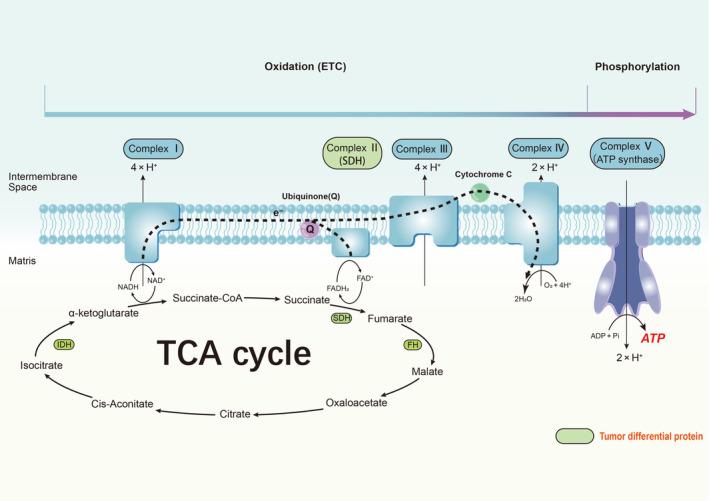
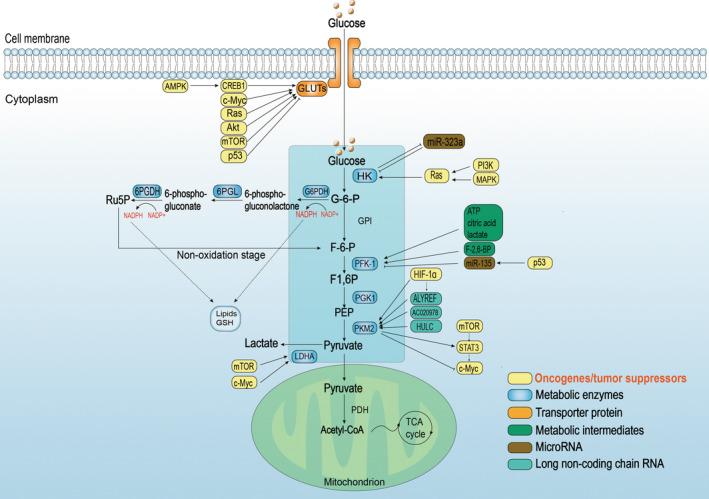
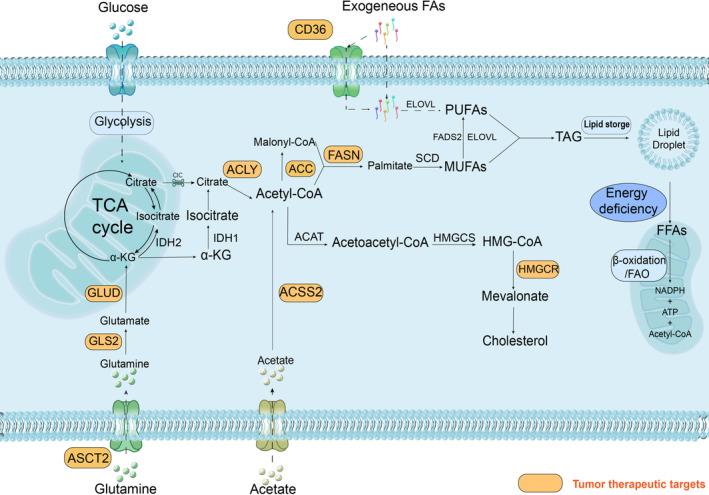
Energy metabolic reprogramming is frequently observed during tumor progression as tumor cells necessitate adequate energy production for rapid proliferation. Although current medical research shows promising prospects in studying the characteristics of tumor energy metabolism and developing anti-tumor drugs targeting energy metabolism, there is a lack of systematic compendiums and comprehensive reviews in this field. The objective of this study is to conduct a systematic review on the characteristics of tumor cells' energy metabolism, with a specific focus on comparing abnormalities between tumor and normal cells, as well as summarizing potential targets for tumor therapy. Additionally, this review also elucidates the aberrant mechanisms underlying four major energy metabolic pathways (glucose, lipid, glutamine, and mitochondria-dependent) during carcinogenesis and tumor progression. Through the utilization of graphical representations, we have identified anomalies in crucial energy metabolism pathways, encompassing transporter proteins (glucose transporter, CD36, and ASCT2), signaling molecules (Ras, AMPK, and PTEN), as well as transcription factors (Myc, HIF-1α, CREB-1, and p53). The key molecules responsible for aberrant energy metabolism in tumors may serve as potential targets for cancer therapy. Therefore, this review provides an overview of the distinct energy-generating pathways within tumor cells, laying the groundwork for developing innovative strategies for precise cancer treatment.
肿瘤进展过程中经常观察到能量代谢重编程,因为肿瘤细胞需要充足的能量产生来快速增殖。尽管当前的医学研究在研究肿瘤能量代谢特征和开发针对能量代谢的抗肿瘤药物方面显示出有前景的前景,但该领域缺乏系统的纲要和全面的综述。本研究的目的是对肿瘤细胞能量代谢的特征进行系统综述,特别关注肿瘤细胞和正常细胞之间的异常,并总结肿瘤治疗的潜在靶点。此外,本综述还阐明了致癌和肿瘤进展过程中四大主要能量代谢途径(葡萄糖、脂质、谷氨酰胺和线粒体依赖性)的异常机制。通过使用图形表示,我们确定了关键能量代谢途径中的异常,包括转运蛋白(葡萄糖转运蛋白、CD36 和 ASCT2)、信号分子(Ras、AMPK 和 PTEN)以及转录因子(Myc、HIF-1α、CREB-1 和 p53)。肿瘤中异常能量代谢的关键分子可能成为癌症治疗的潜在靶点。因此,本综述概述了肿瘤细胞内不同的能量产生途径,为开发精确癌症治疗的创新策略奠定了基础。
 Zotero 插件