
多种 HSP 抗菌肽优化策略以增强抗菌活性。
Multiple strategies of HSP antimicrobial peptide optimization to enhance antimicrobial activity.
机构信息
Anhui Province Green Food Collaborative Technology Service Center for Rural Revitalization, Hefei Normal University, Hefei, 230601, China.
Department of Pharmacy, Hefei Binhu Hospital, Hefei, 230601, China.
出版信息
Amino Acids. 2024 Nov 26;56(1):66. doi: 10.1007/s00726-024-03428-z.
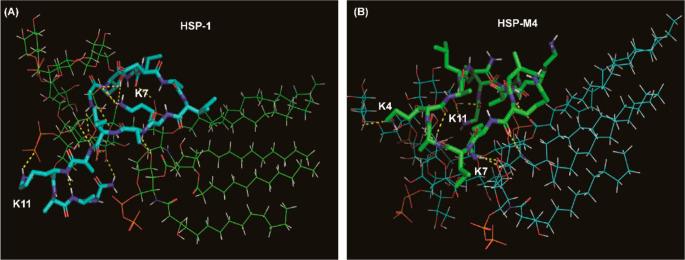
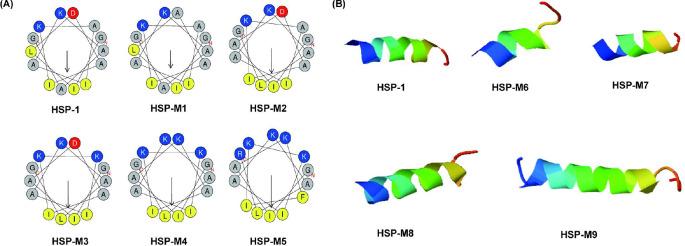
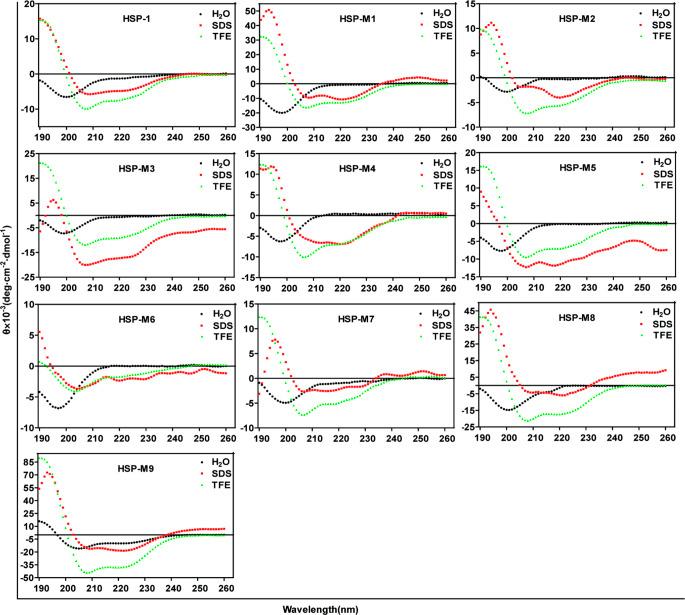
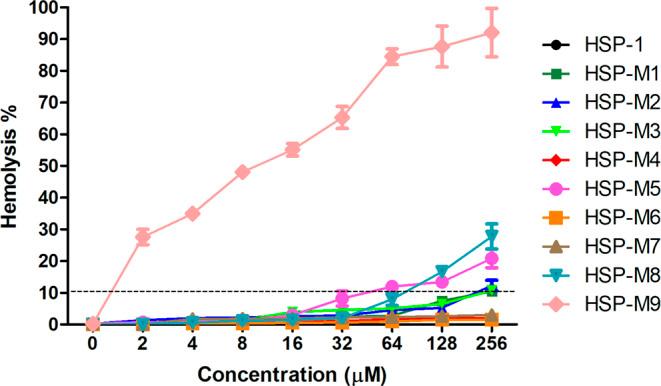
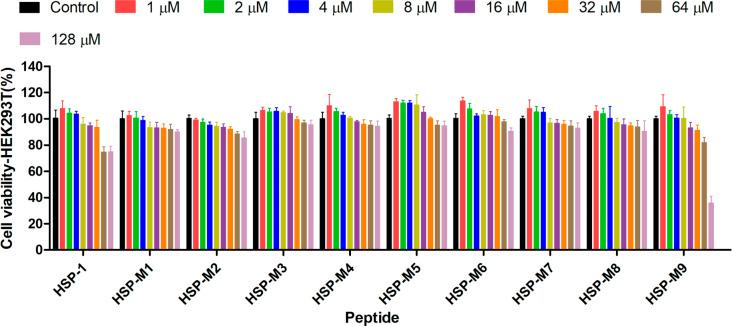
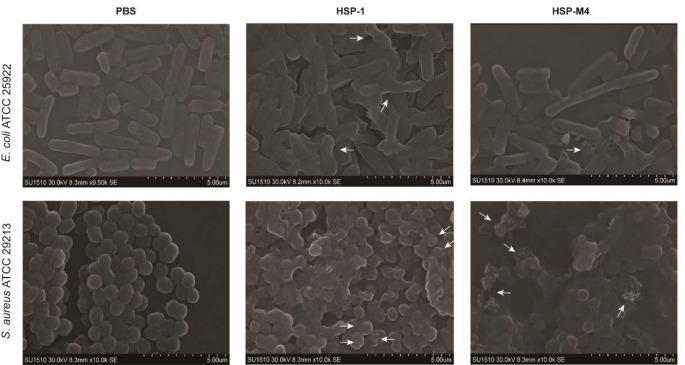
Antimicrobial peptides (AMPs) have caught the attention of researchers over the last couple of years due to their unique membrane lytic mechanism for combating antibiotic resistance, which differs from the molecular targets of traditional antibiotics. Although natural AMPs exhibit potential antimicrobial activity against a wide range of microorganisms, some drawbacks, such as toxicity, low antibacterial activity, and high production costs limit their clinical application. To enhance the antimicrobial activity of a series of HSP peptides derived from the natural peptide HSP-1, this study optimized them using a variety of strategies, including net charge, hydrophobic moment, hydrophobicity, and helicity. Optimizing the antimicrobial action of HSP peptides depended mostly on net charge, hydrophobic moment, and hydrophobicity rather than helicity. HSP-M4 may be designed to combat microbial infections because the antimicrobial activity and cytotoxicity assays showed that they exhibited low cytotoxicity and prominent antimicrobial activity, respectively.
抗菌肽(AMPs)在过去几年中引起了研究人员的关注,因为它们具有独特的膜溶解机制,可对抗抗生素耐药性,这与传统抗生素的分子靶标不同。虽然天然 AMPs 对广泛的微生物具有潜在的抗菌活性,但一些缺点,如毒性、低抗菌活性和高生产成本,限制了它们的临床应用。为了提高 HSP-1 天然肽衍生的一系列 HSP 肽的抗菌活性,本研究使用多种策略对其进行了优化,包括净电荷、疏水性矩、疏水性和螺旋性。优化 HSP 肽的抗菌作用主要取决于净电荷、疏水性矩和疏水性,而不是螺旋性。HSP-M4 可能被设计用于对抗微生物感染,因为抗菌活性和细胞毒性试验表明,它们分别具有低细胞毒性和显著的抗菌活性。
 Zotero 插件