
探索miRNA-200c在头颈部鳞状细胞癌中的肿瘤抑制作用:外泌体介导递送用于治疗应用的潜力和机制
Exploring the tumor-suppressive role of miRNA-200c in head and neck squamous cell carcinoma: Potential and mechanisms of exosome-mediated delivery for therapeutic applications.
作者信息
Kishta Mohamed S, Khamis Aya, Am Hafez, Elshaar Abdelrahman H, Gül Désirée
机构信息
Hormones Department, Medical Research and Clinical Studies Institute, Stem Cell Lab., Center of Excellence for Advanced Sciences, National Research Centre, 33 El Bohouth St., Dokki, 12622 Cairo, Egypt.
Maxillofacial and Oral Surgery, University Medical Center, 55131 Mainz, Germany; Oral Pathology Department, Faculty of Dentistry, Alexandria University, 5372066 Alexandria, Egypt.
出版信息
Transl Oncol. 2025 Jan;51:102216. doi: 10.1016/j.tranon.2024.102216. Epub 2024 Nov 29.
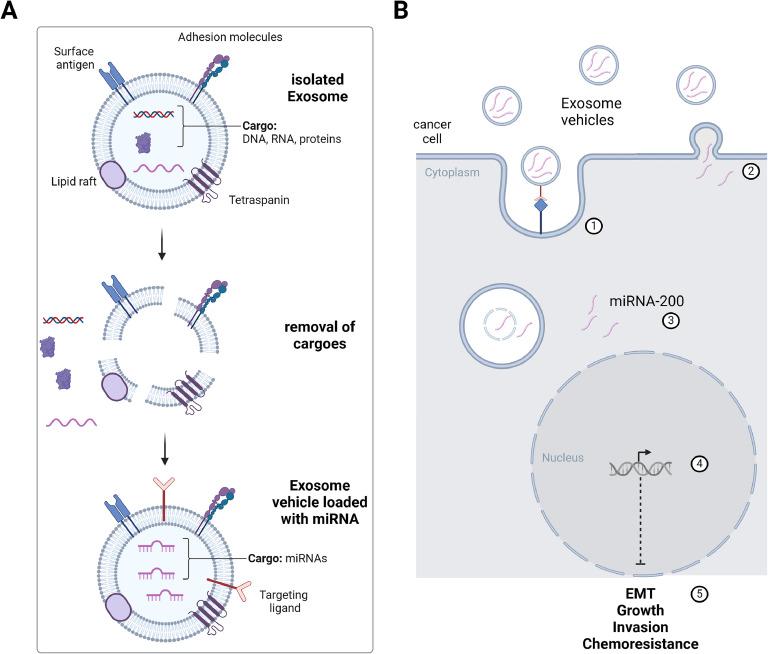
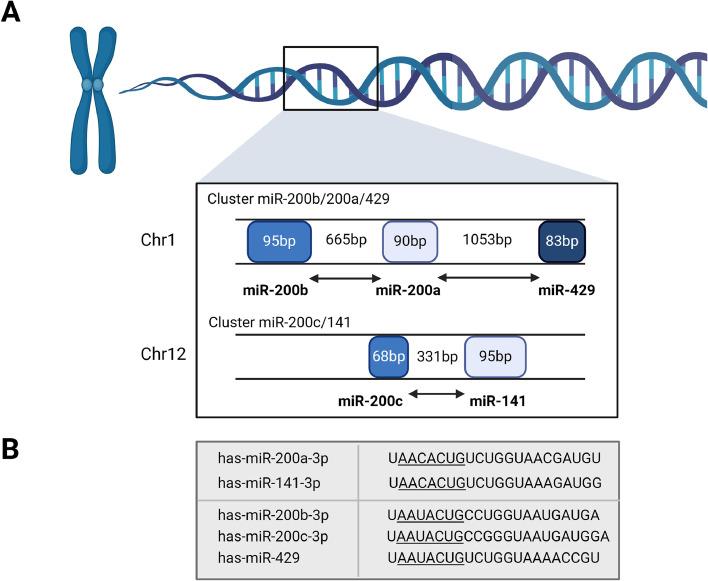
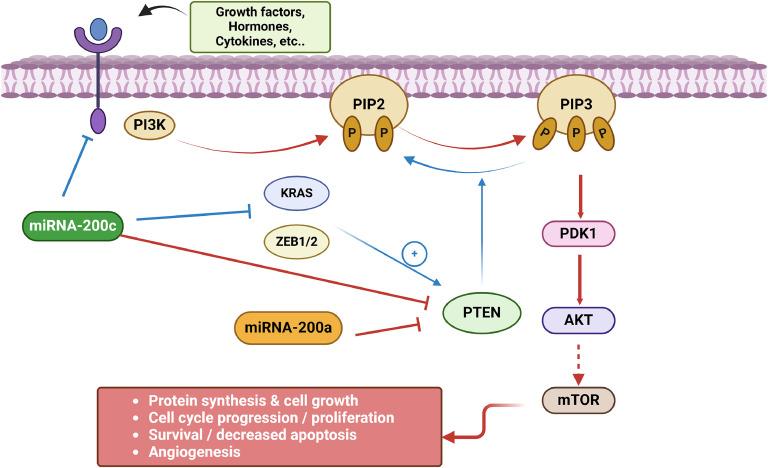
Head and neck squamous cell carcinoma (HNSCC) remains a challenging malignancy due to its high rates of recurrence, metastasis, and resistance to conventional therapies. microRNA-200c (miRNA-200c) has emerged as a critical tumor suppressor in HNSCC, with the potential to inhibit epithelial-mesenchymal transition (EMT), which is considered as a key process in cancer metastasis and progression. Interestingly, there are also controversial findings in HNSCC characterizing miRNA-200c as oncogenic factor. This review article provides a comprehensive overview of the current understanding of miRNA-200c's general role in cancer, and particularly in HNSCC, highlighting its mechanisms of action, including the regulation of EMT and other oncogenic pathways. Additionally, the review explores the innovative approach of exosome-mediated delivery of miRNA-200c as a therapeutic strategy. Exosomes, as natural nanocarriers, offer a promising vehicle for the targeted delivery of miRNA-200c to tumor cells, potentially overcoming the limitations of traditional delivery methods and enhancing therapeutic efficacy. The review also discusses the challenges and future directions in the clinical application of miRNA-200c, particularly focusing on its potential to improve outcomes for HNSCC patients. This article seeks to provide valuable insights for researchers and clinicians working towards innovative treatments for this aggressive cancer type.
头颈部鳞状细胞癌(HNSCC)由于其高复发率、高转移率以及对传统疗法的耐药性,仍然是一种具有挑战性的恶性肿瘤。微小RNA - 200c(miRNA - 200c)已成为HNSCC中的一种关键肿瘤抑制因子,具有抑制上皮 - 间质转化(EMT)的潜力,而EMT被认为是癌症转移和进展中的关键过程。有趣的是,在HNSCC中也存在有争议的研究结果,将miRNA - 200c描述为致癌因子。这篇综述文章全面概述了目前对miRNA - 200c在癌症中,特别是在HNSCC中的一般作用的理解,突出了其作用机制,包括对EMT和其他致癌途径的调控。此外,该综述探讨了以外泌体介导递送miRNA - 200c作为一种治疗策略的创新方法。外泌体作为天然纳米载体,为将miRNA - 200c靶向递送至肿瘤细胞提供了一种有前景的载体,有可能克服传统递送方法的局限性并提高治疗效果。该综述还讨论了miRNA - 200c临床应用中的挑战和未来方向,特别关注其改善HNSCC患者预后的潜力。本文旨在为致力于这种侵袭性癌症类型创新治疗的研究人员和临床医生提供有价值的见解。




 Zotero 插件