
杂交1结构域中的原纤蛋白-1 G234D突变导致小鼠皮肤紧绷,伴有弹性生成失调和胶原交联增加。
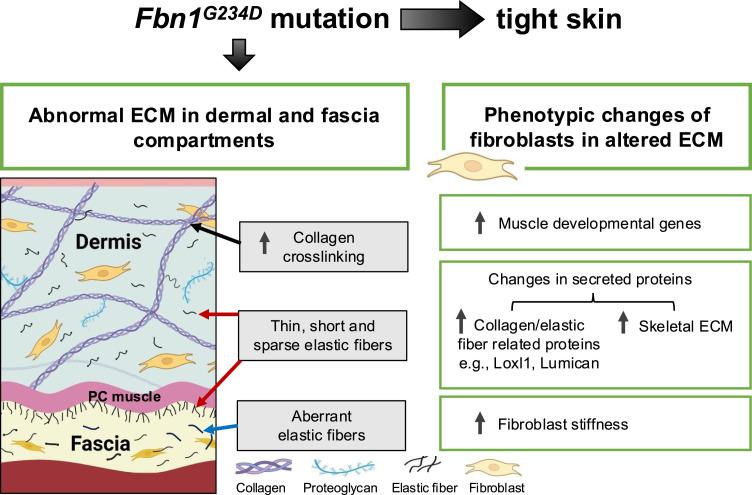
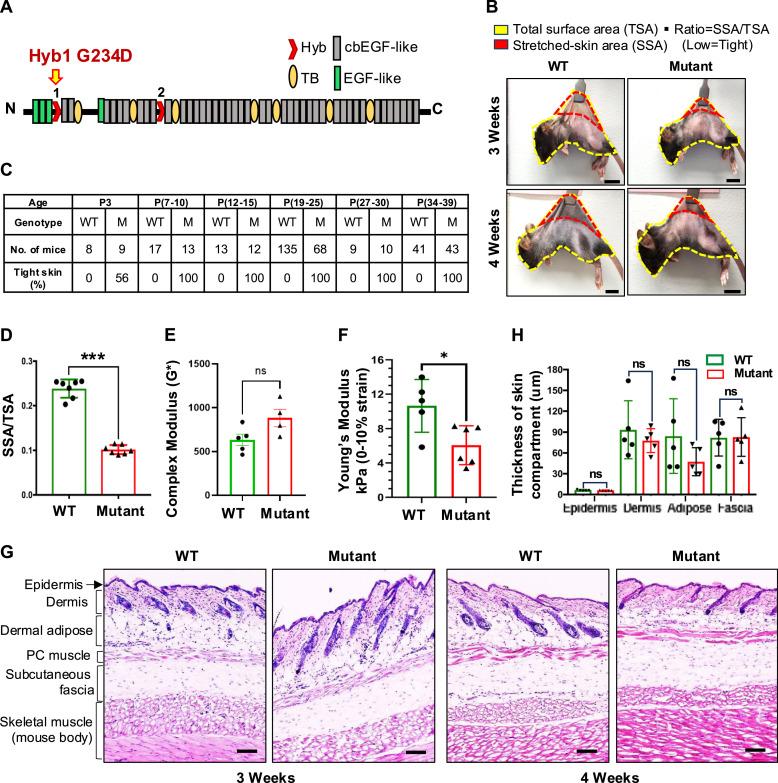
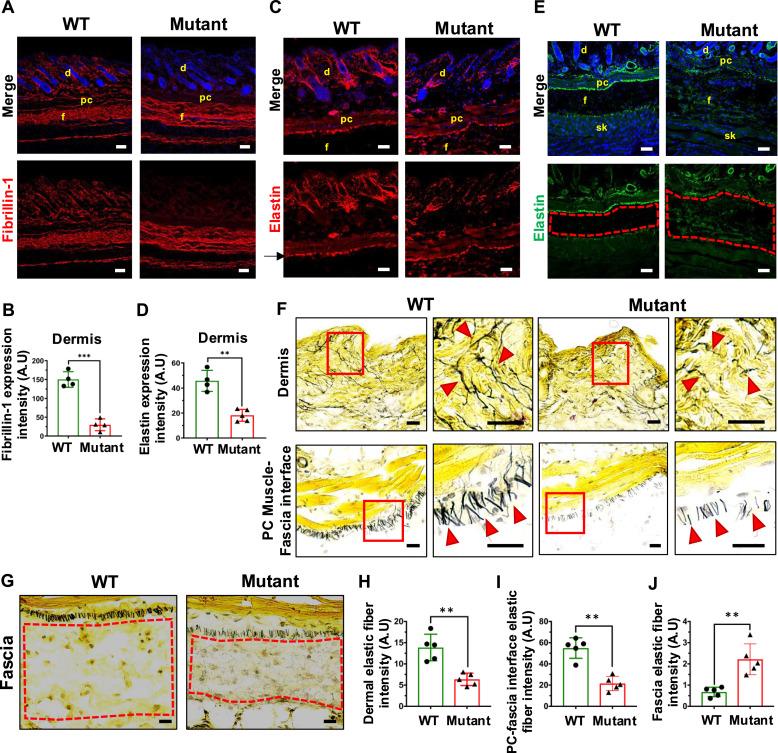
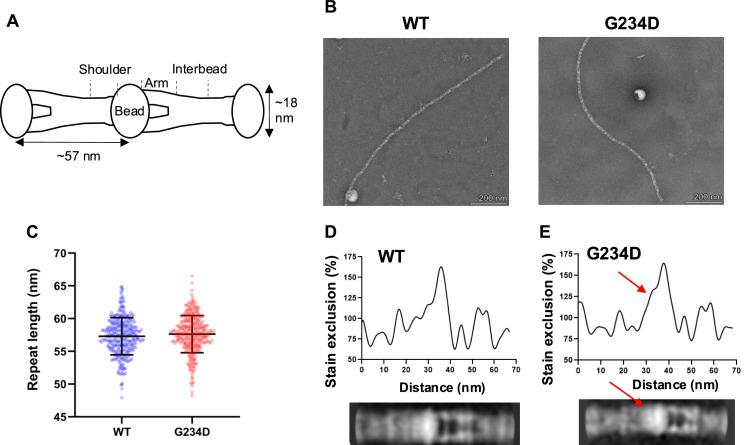
Fibrillin-1 G234D mutation in the hybrid1 domain causes tight skin associated with dysregulated elastogenesis and increased collagen cross-linking in mice.
作者信息
Hossain Asm Sakhawat, Clarin Maria Thea Rane Dela Cruz, Kimura Kenichi, Biggin George, Taga Yuki, Uto Koichiro, Yamagishi Ayana, Motoyama Eri, Mizuno Kazunori, Nakamura Chikashi, Asano Keiichi, Ohtsuki Sumio, Nakamura Tomoyuki, Kanki Sachiko, Baldock Clair, Raja Erna, Yanagisawa Hiromi
机构信息
Graduate School of Comprehensive Human Sciences, University of Tsukuba, Japan; Tsukuba Advanced Research Alliance (TARA), Life Science Center for Survival Dynamics, University of Tsukuba, Japan; Department of Pharmacy, Varendra University, Bangladesh.
School of Integrative and Global Major, University of Tsukuba, Japan; Tsukuba Advanced Research Alliance (TARA), Life Science Center for Survival Dynamics, University of Tsukuba, Japan; National Institute for Material Science, Japan.
出版信息
Matrix Biol. 2025 Feb;135:24-38. doi: 10.1016/j.matbio.2024.11.006. Epub 2024 Nov 28.
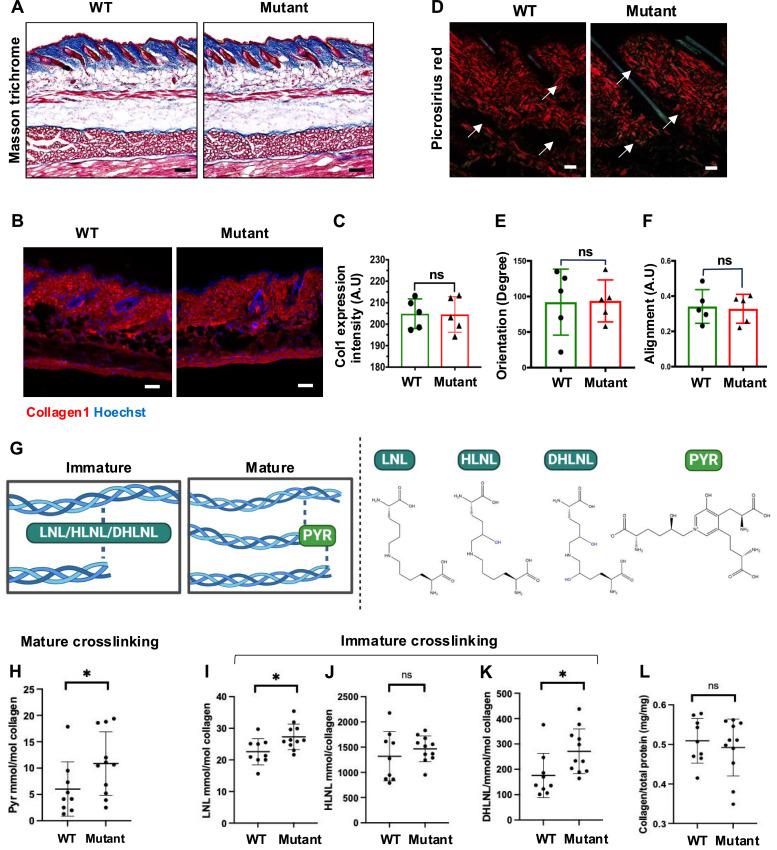
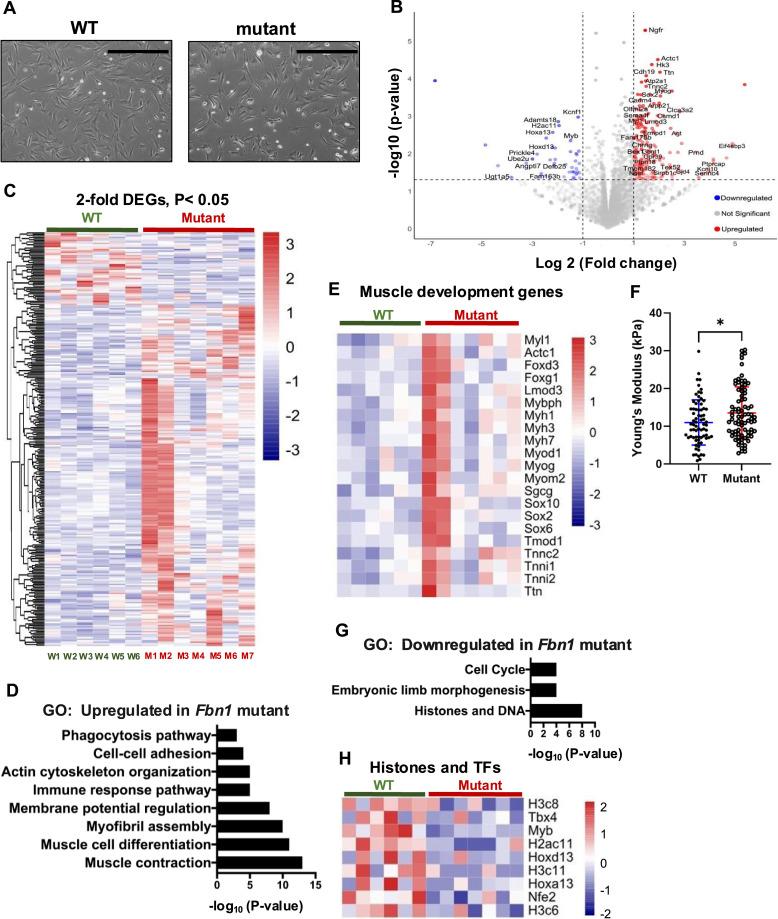
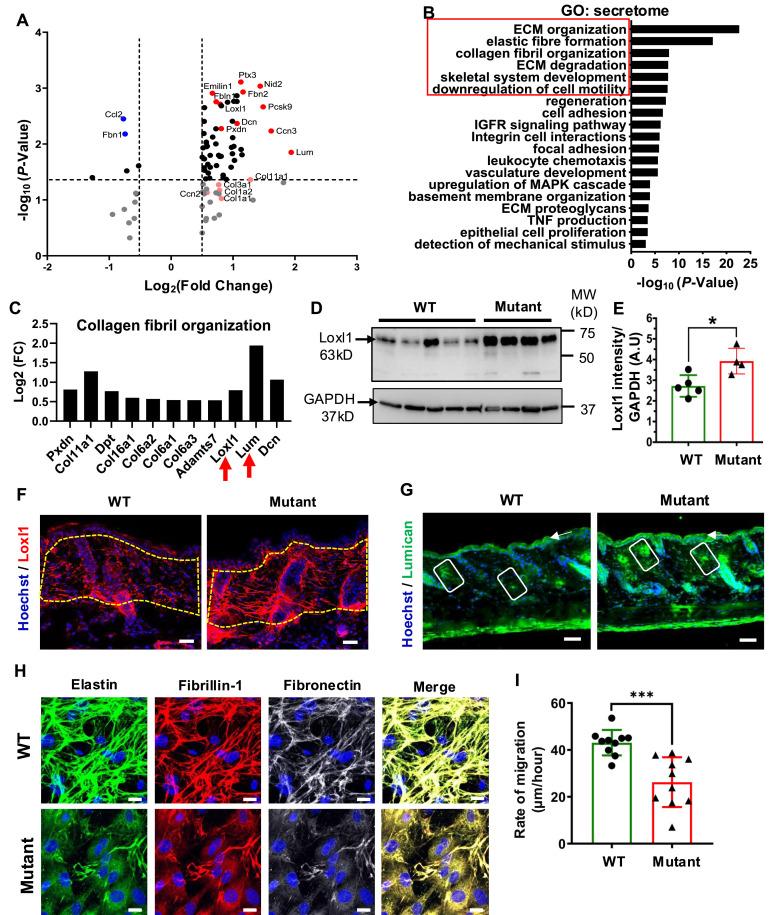
Fibrillin-1, an extracellular matrix (ECM) protein encoded by the FBN1 gene, serves as a microfibril scaffold crucial for elastic fiber formation and homeostasis in pliable tissue such as the skin. Aside from causing Marfan syndrome, some mutations in FBN1 result in scleroderma, marked by hardened and thicker skin which limits joint mobility. Here, we describe a tight skin phenotype in the Fbn1 mice carrying a corresponding variant of FBN1 in the hybrid1 domain that was identified in a patient with familial aortic dissection. Unlike scleroderma, skin thickness and collagen fiber abundance do not change in the Fbn1 mutant skin. Instead, increased collagen cross-links were observed. In addition, short elastic fibers were sparsely located underneath the panniculus muscle layer, and an abundance of thin, aberrant elastic fibers was increased within the subcutaneous fascia, which may have tightened skin attachment to the underlying skeletal muscle. Structurally, Fbn1 microfibrils have a disrupted shoulder region that shares similarities with hybrid1 deletion mutant microfibrils. We then demonstrate the consequence of fibrillin-1 G234D mutation on dermal fibroblast functions. Mutant primary fibroblasts produce fewer elastic fibers, exhibit slower migration and increased cell stiffness. Moreover, secretome from mutant fibroblasts are marked by enhanced secretion of ECM, ECM-modifying enzymes, proteoglycans and cytokines, which are pro-tissue repair/fibrogenic. The transcriptome of mutant fibroblasts displays an increased expression of myogenic developmental and immune-related genes. Our study proposes that imbalanced ECM homeostasis due to a fibrillin-1 G234D mutation impacts fibroblast properties with potential ramifications on skin function.
原纤蛋白-1是一种由FBN1基因编码的细胞外基质(ECM)蛋白,作为微原纤维支架,对诸如皮肤等柔韧组织中的弹性纤维形成和稳态至关重要。除了导致马凡综合征外,FBN1中的一些突变还会导致硬皮病,其特征是皮肤变硬变厚,限制关节活动。在此,我们描述了在Fbn1小鼠中出现的一种紧肤表型,该小鼠在杂交1结构域携带与FBN1相应的变体,此变体是在一名家族性主动脉夹层患者中鉴定出的。与硬皮病不同,Fbn1突变体皮肤的厚度和胶原纤维丰度没有变化。相反,观察到胶原交联增加。此外,短弹性纤维稀疏地位于 panniculus 肌层下方,皮下筋膜内大量细的、异常的弹性纤维增多,这可能使皮肤与下方骨骼肌的附着变紧。在结构上,Fbn1微原纤维的肩部区域 disrupted,这与杂交1缺失突变体微原纤维相似。然后我们证明了原纤蛋白-1 G234D突变对真皮成纤维细胞功能的影响。突变的原代成纤维细胞产生的弹性纤维较少,迁移较慢且细胞硬度增加。此外,突变成纤维细胞的分泌蛋白组的特征是ECM、ECM修饰酶、蛋白聚糖和细胞因子的分泌增强,这些都是促进组织修复/纤维化的。突变成纤维细胞的转录组显示肌源性发育和免疫相关基因的表达增加。我们的研究表明,由于原纤蛋白-1 G234D突变导致的ECM稳态失衡会影响成纤维细胞特性,对皮肤功能可能产生潜在影响。
 Zotero 插件