
系统性红斑狼疮(SLE)的330个风险位点:综述。
The 330 risk loci known for systemic lupus erythematosus (SLE): a review.
作者信息
Laurynenka Viktoryia, Harley John B
机构信息
US Department of Veterans Affairs Medical Center, Research Service, Cincinnati, OH, United States.
Division of Human Genetics, Cincinnati Children's Hospital Medical Center, Center for Autoimmune Genomics and Etiology (CAGE), Cincinnati, OH, United States.
出版信息
Front Lupus. 2024;2. doi: 10.3389/flupu.2024.1398035. Epub 2024 May 23.
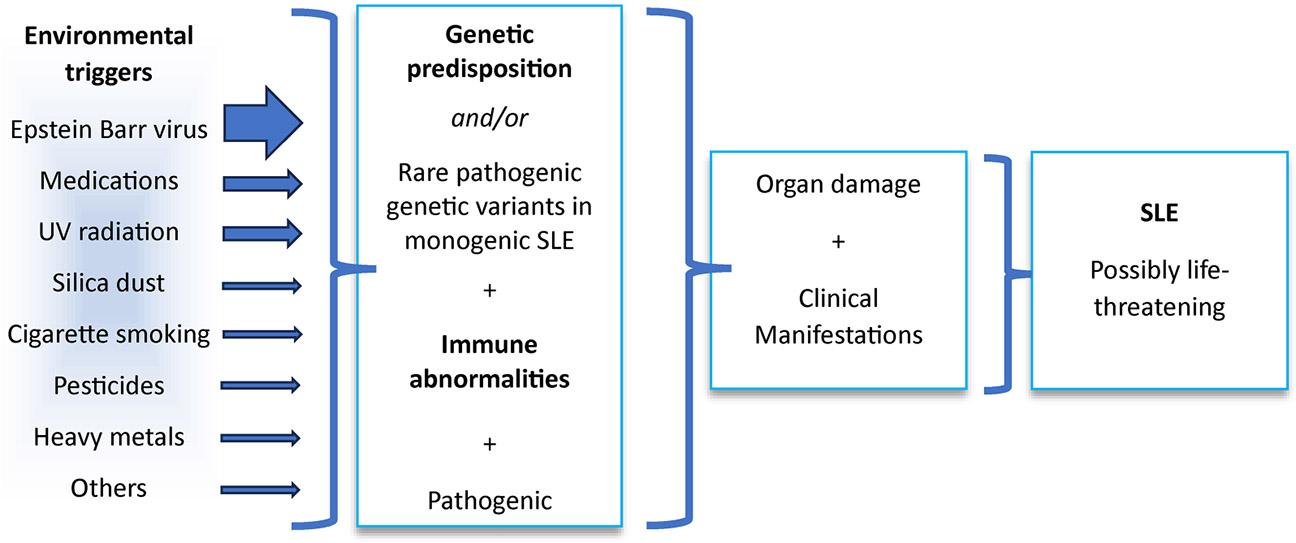
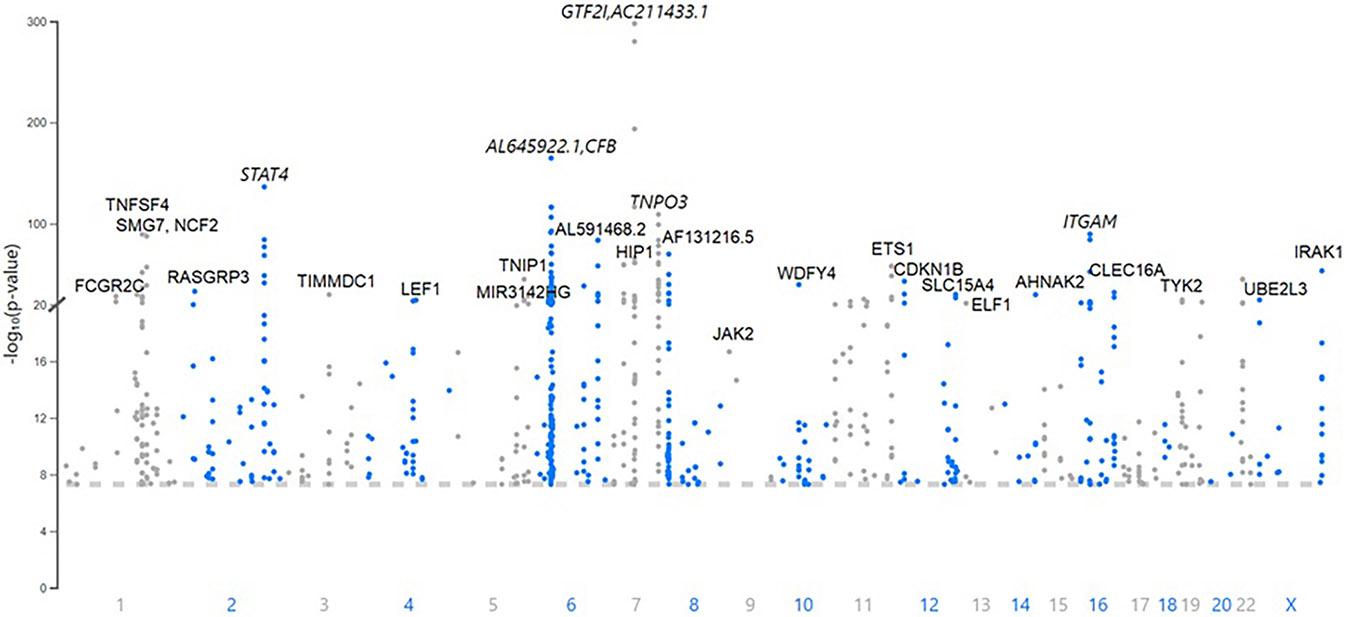
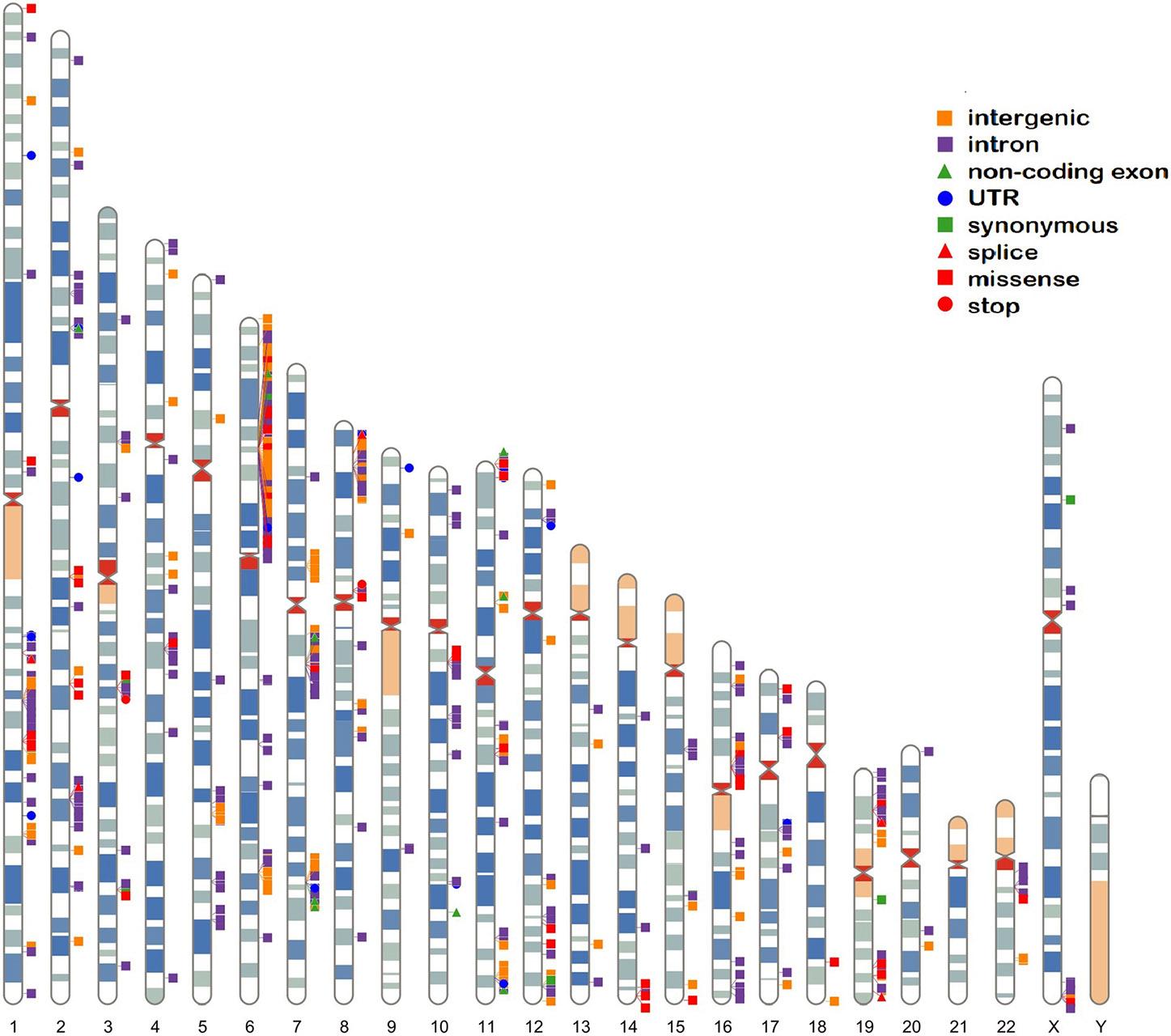
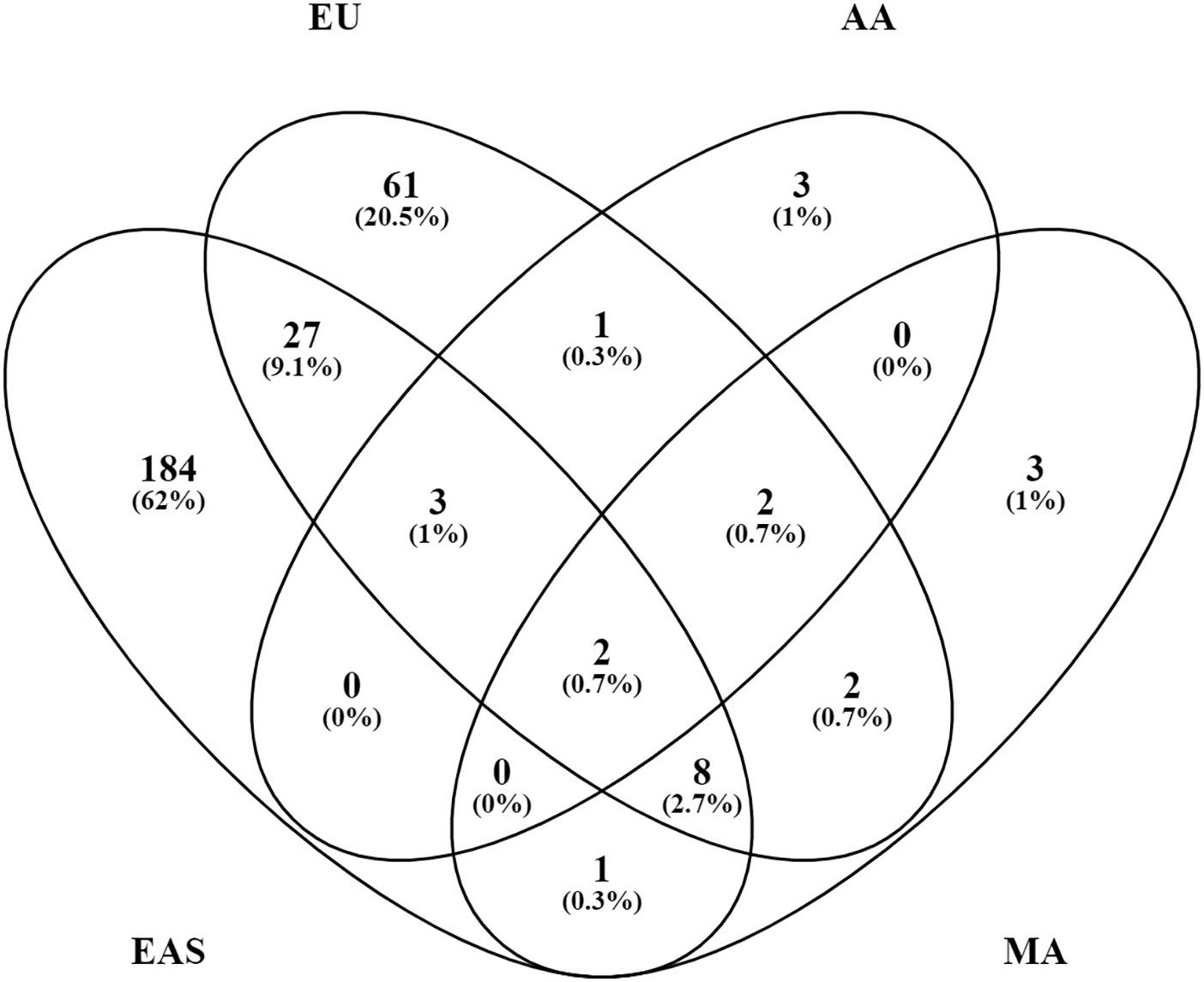
An in-depth literature review of up to 2023 reveals 330 risk loci found by genetic association at ≤ 5 × 10, with systemic lupus erythematosus (SLE) in at least one study of 160 pertinent publications. There are 225 loci found in East Asian (EAS), 106 in European (EU), 11 in African-American (AA), 18 Mixed American (MA), and 1 in Egyptian ancestries. Unexpectedly, most of these associations are found to date at ≤ 5 × 10 in a single ancestry. However, the EAS and EU share 40 risk loci that are independently established. The great majority of the identified loci [250 (75.8%) of 330] do not contain a variant that changes an amino acid sequence. Meanwhile, most overlap with known regulatory elements in the genome [266 (80.6%) of 330], suggesting a major role for gene regulation in the genetic mechanisms of SLE. To evaluate the pathways altered by SLE-associated variants, we generated gene sets potentially regulated by SLE loci that consist of the nearest genes, published attributions, and genes predicted by computational tools. The most useful insights, at present, suggest that SLE genetic mechanisms involve (1) the regulation of both adaptive and innate immune responses including immune cell activation and differentiation; (2) the regulation of production and response to cytokines, including type I interferon; (3) apoptosis; (4) the sensing and removal of immune complexes and apoptotic particles; and (5) immune response to infections, including Epstein-Barr Virus, and symbiont microorganisms. These mechanisms affected by SLE genes involve multiple cell types, including B cells/plasma cells, T cells, dendritic cells, monocytes/macrophages, natural killer cells, neutrophils, and endothelial cells. The genetics of SLE from GWAS data reveal an incredibly complex profusion of interrelated molecular processes and interacting cells participating in SLE pathogenesis, mostly unified in the molecular regulation of inflammatory responses. These genetic associations in lupus and affected molecular pathways not only give us an understanding of the disease pathogenesis but may also help in drug discoveries for SLE treatment.
截至2023年的深入文献综述显示,在至少160篇相关出版物的一项研究中,通过基因关联在≤5×10水平发现了330个系统性红斑狼疮(SLE)风险位点。在东亚(EAS)人群中发现了225个位点,欧洲(EU)人群中发现了106个,非裔美国人(AA)中发现了11个,混血美国人(MA)中发现了18个,埃及血统人群中发现了1个。出乎意料的是,到目前为止,这些关联大多是在单一血统中≤5×10水平发现的。然而,EAS和EU共享40个独立确定的风险位点。绝大多数已鉴定的位点(330个中的250个,占75.8%)不包含改变氨基酸序列的变体。同时,大多数与基因组中已知的调控元件重叠(330个中的266个,占80.6%),这表明基因调控在SLE的遗传机制中起主要作用。为了评估SLE相关变体改变的途径,我们生成了可能受SLE位点调控的基因集,这些基因集由最接近的基因、已发表的归因以及通过计算工具预测的基因组成。目前,最有用的见解表明,SLE的遗传机制涉及:(1)适应性免疫和先天性免疫反应的调控,包括免疫细胞的激活和分化;(2)细胞因子的产生和反应的调控,包括I型干扰素;(3)细胞凋亡;(4)免疫复合物和凋亡颗粒的感知和清除;(5)对感染的免疫反应,包括爱泼斯坦-巴尔病毒和共生微生物。这些受SLE基因影响的机制涉及多种细胞类型,包括B细胞/浆细胞、T细胞、树突状细胞、单核细胞/巨噬细胞、自然杀伤细胞、中性粒细胞和内皮细胞。来自全基因组关联研究(GWAS)数据的SLE遗传学揭示了参与SLE发病机制的极其复杂的相互关联的分子过程和相互作用的细胞,这些大多统一于炎症反应的分子调控中。狼疮中的这些遗传关联和受影响的分子途径不仅让我们了解了疾病的发病机制,还可能有助于SLE治疗的药物发现。
 Zotero 插件