
细菌金属稳态:金属感应、金属蛋白质组重塑及金属转运
Bacterial Metallostasis: Metal Sensing, Metalloproteome Remodeling, and Metal Trafficking.
作者信息
Capdevila Daiana A, Rondón Johnma J, Edmonds Katherine A, Rocchio Joseph S, Dujovne Matias Villarruel, Giedroc David P
机构信息
Fundación Instituto Leloir, Instituto de Investigaciones Bioquímicas de Buenos Aires (IIBBA-CONICET), C1405 BWE Buenos Aires, Argentina.
Department of Chemistry, Indiana University, Bloomington, Indiana 47405-7102, United States.
出版信息
Chem Rev. 2024 Dec 25;124(24):13574-13659. doi: 10.1021/acs.chemrev.4c00264. Epub 2024 Dec 10.
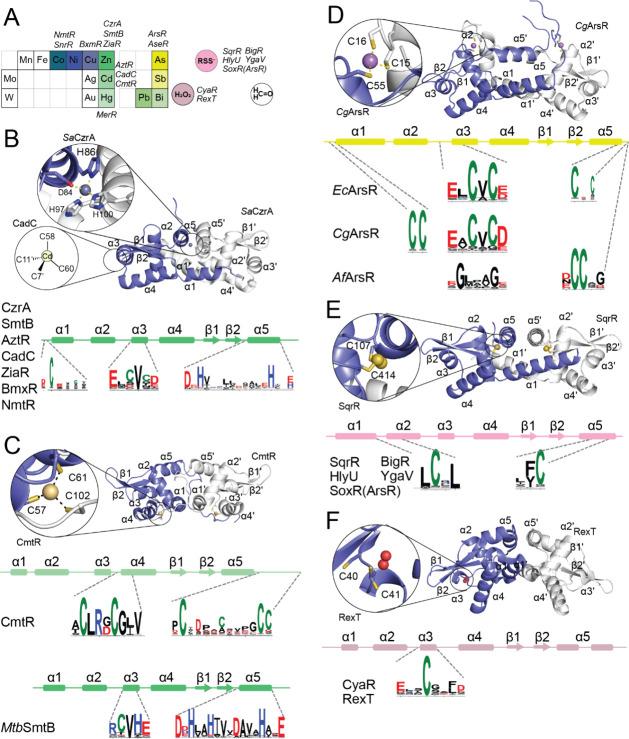
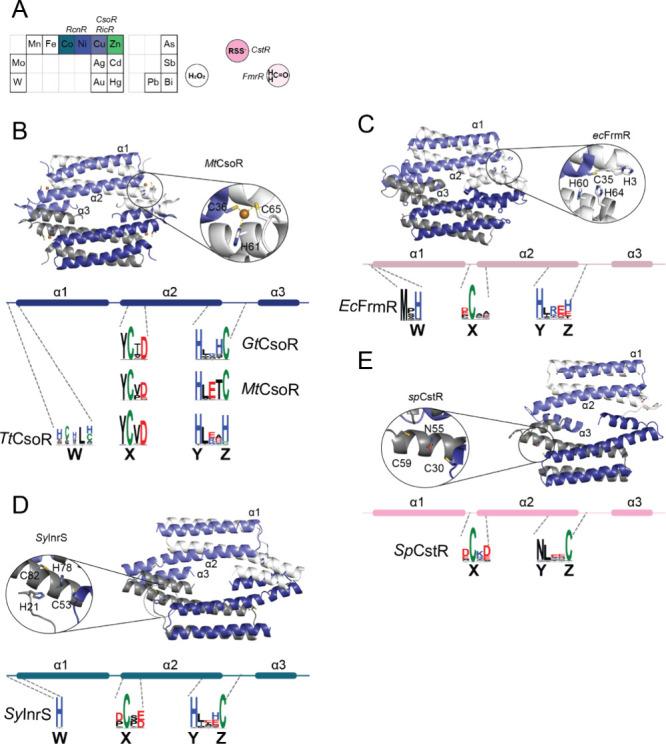
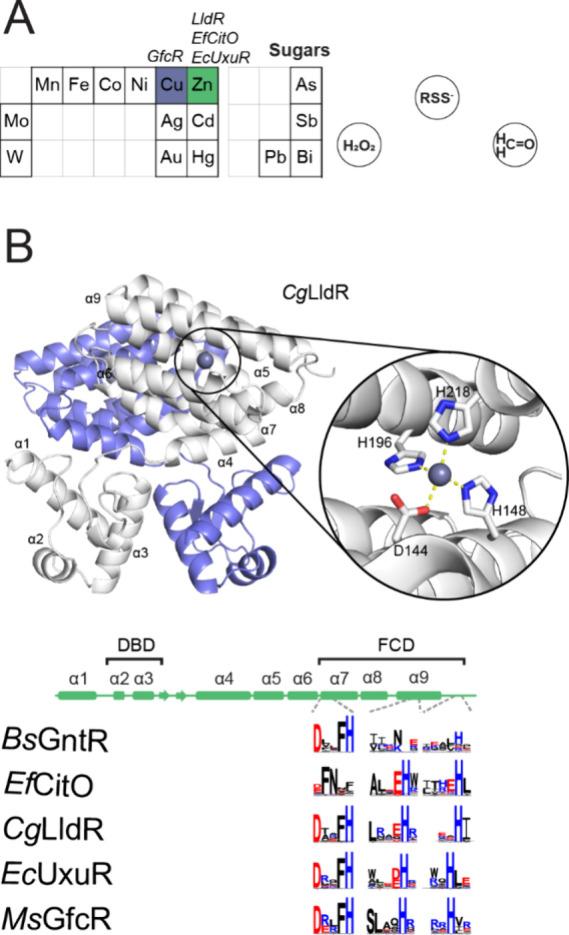
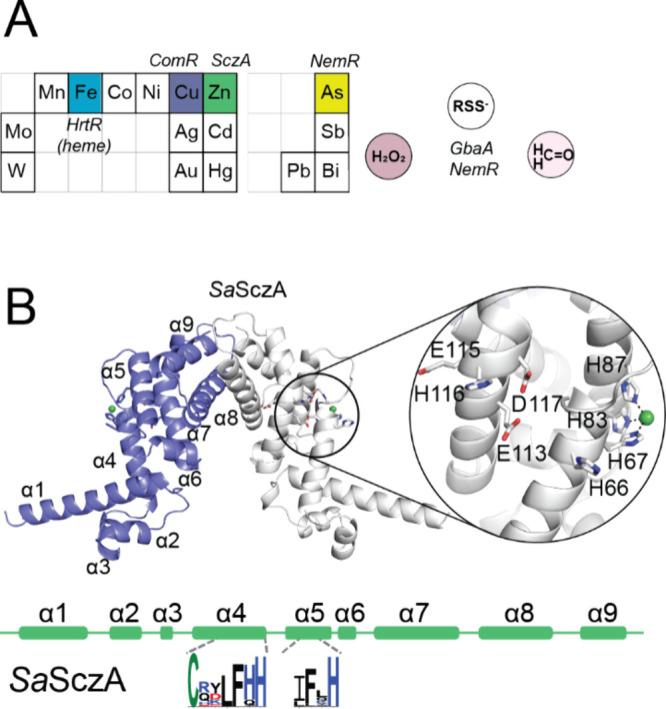
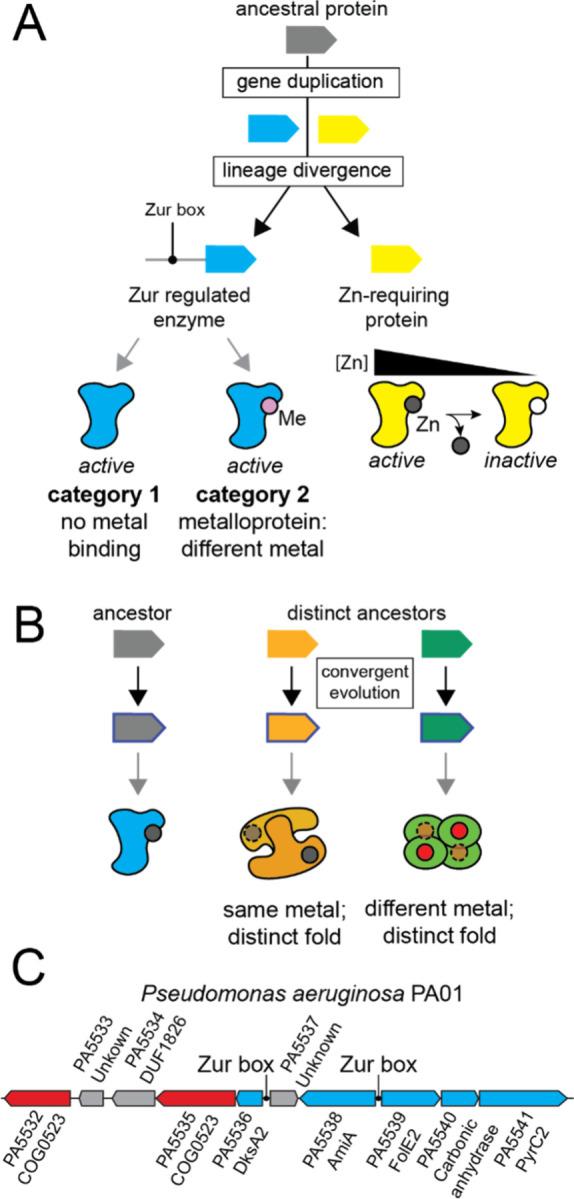
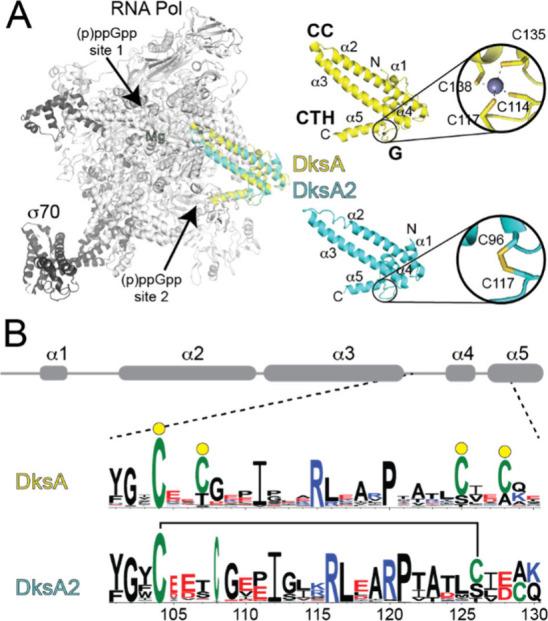
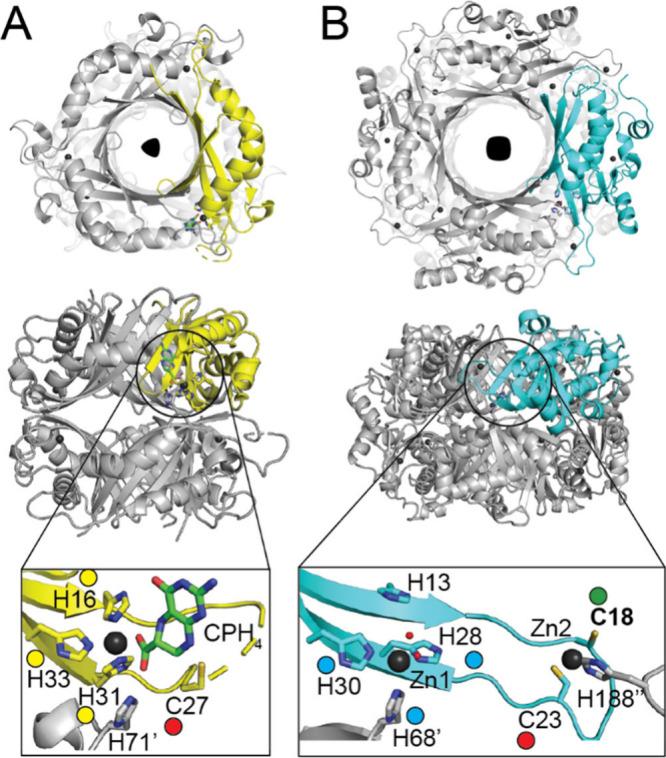
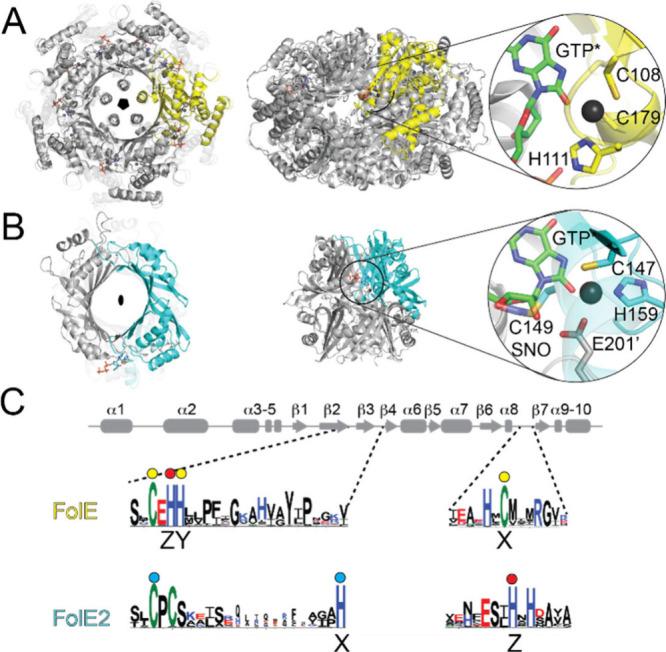
Transition metals function as structural and catalytic cofactors for a large diversity of proteins and enzymes that collectively comprise the metalloproteome. Metallostasis considers all cellular processes, notably metal sensing, metalloproteome remodeling, and trafficking (or allocation) of metals that collectively ensure the functional integrity and adaptability of the metalloproteome. Bacteria employ both protein and RNA-based mechanisms that sense intracellular transition metal bioavailability and orchestrate systems-level outputs that maintain metallostasis. In this review, we contextualize metallostasis by briefly discussing the metalloproteome and specialized roles that metals play in biology. We then offer a comprehensive perspective on the diversity of metalloregulatory proteins and metal-sensing riboswitches, defining general principles within each sensor superfamily that capture how specificity is encoded in the sequence, and how selectivity can be leveraged in downstream synthetic biology and biotechnology applications. This is followed by a discussion of recent work that highlights selected metalloregulatory outputs, including metalloproteome remodeling and metal allocation by metallochaperones to both client proteins and compartments. We close by briefly discussing places where more work is needed to fill in gaps in our understanding of metallostasis.
过渡金属作为多种蛋白质和酶的结构和催化辅助因子,这些蛋白质和酶共同构成了金属蛋白质组。金属稳态涵盖了所有细胞过程,特别是金属感应、金属蛋白质组重塑以及金属的运输(或分配),这些过程共同确保了金属蛋白质组的功能完整性和适应性。细菌利用基于蛋白质和RNA的机制来感知细胞内过渡金属的生物利用度,并协调维持金属稳态的系统水平输出。在这篇综述中,我们通过简要讨论金属蛋白质组以及金属在生物学中所起的特殊作用来阐述金属稳态。然后,我们对金属调节蛋白和金属感应核糖开关的多样性提供了一个全面的视角,定义了每个传感器超家族中的一般原则,这些原则揭示了特异性是如何在序列中编码的,以及如何在下游合成生物学和生物技术应用中利用选择性。接下来讨论了最近的工作,这些工作突出了选定的金属调节输出,包括金属蛋白质组重塑以及金属伴侣将金属分配给客户蛋白和区室。最后,我们简要讨论了在填补我们对金属稳态理解空白方面还需要更多研究的领域。




















 Zotero 插件