
基于梯度提升的种植体周围炎合并牙周炎中相互作用组枢纽基因分类——一种综合生物信息学方法
Gradient boosting-based classification of interactome hub genes in periimplantitis with periodontitis - an integrated bioinformatic approach.
作者信息
Yadalam Pradeep Kumar, Sharma Sarvagya, Natarajan Prabhu Manickam, Ardila Carlos M
机构信息
Department of Periodontics, Saveetha Dental College and Hospitals, Saveetha Institute of Medical and Technical Sciences, Saveetha University, Chennai, India.
Department of Clinical Sciences, Center of Medical and Bio-allied Health Sciences and Research, College of Dentistry, Ajman University, Ajman, United Arab Emirates.
出版信息
Front Oral Health. 2024 Nov 26;5:1462845. doi: 10.3389/froh.2024.1462845. eCollection 2024.
INTRODUCTION
Peri-implantitis, a destructive inflammatory condition affecting the tissues surrounding dental implants, shares pathological similarities with periodontitis, a chronic inflammatory disease that impacts the supporting structures of natural teeth. This study utilizes a network-based approach to classify interactome hub genes associated with peri-implantitis and periodontitis, aiming to improve understanding of disease mechanisms and identify potential therapeutic targets.
METHODS
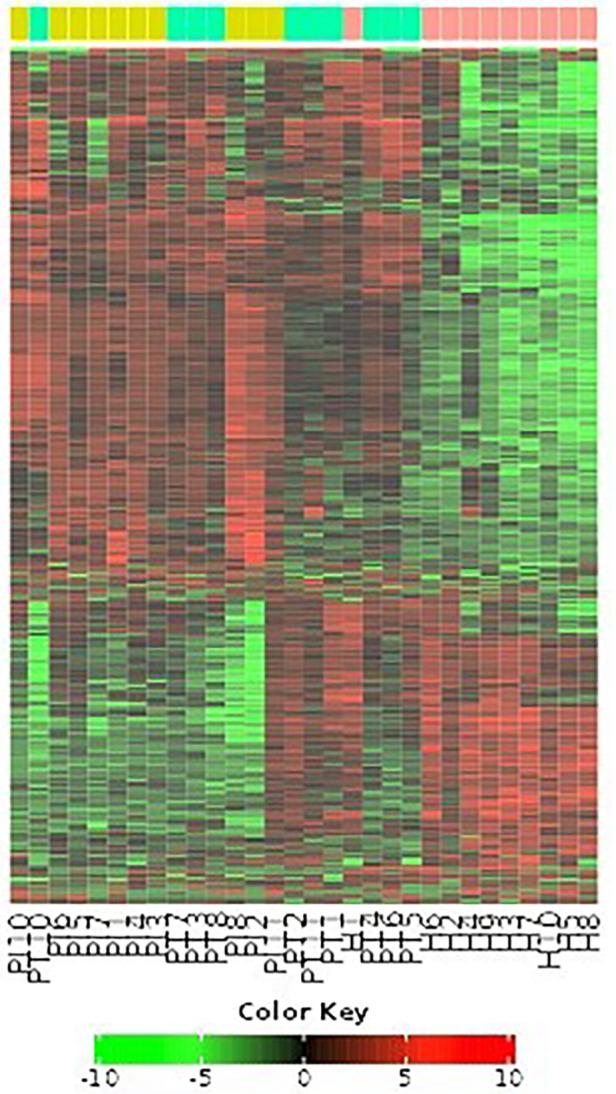
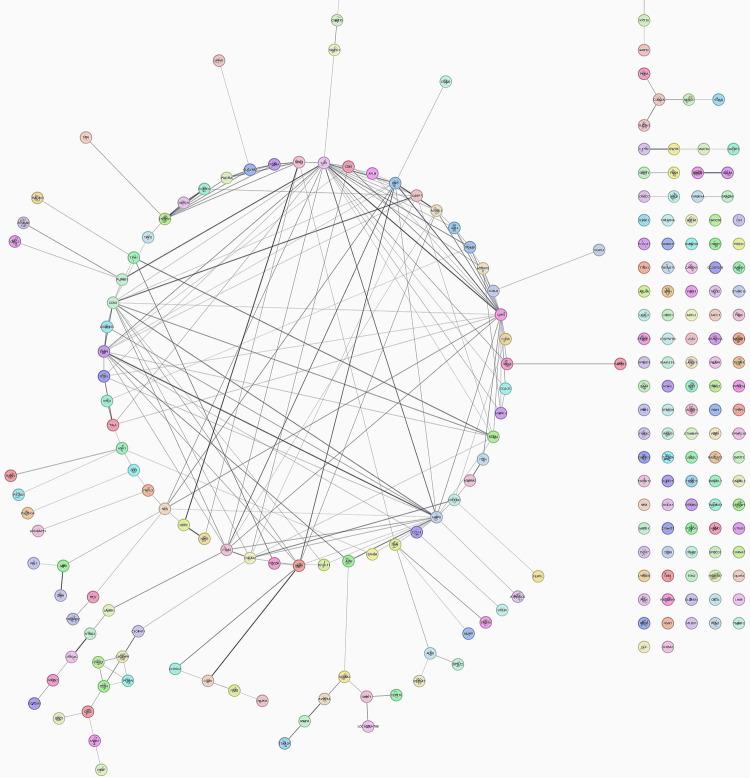
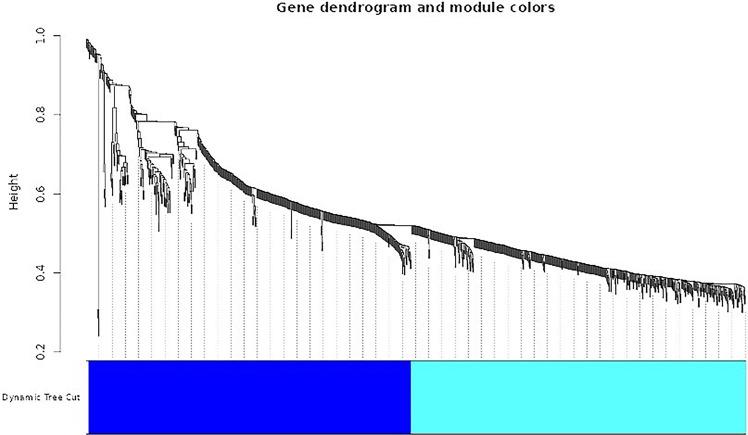
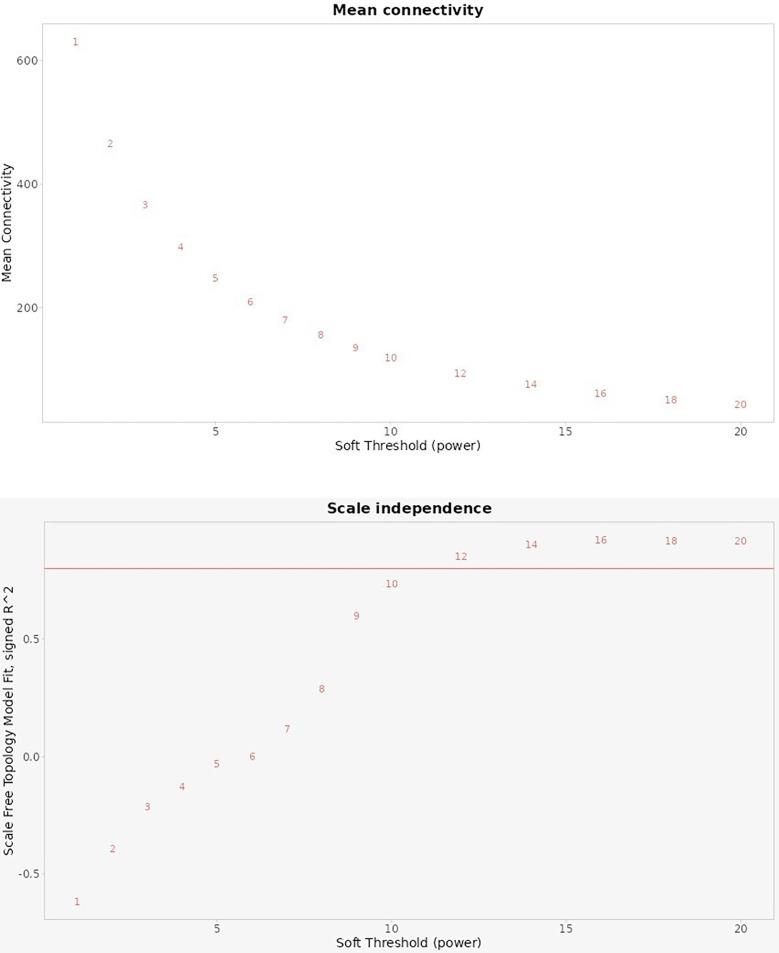
We employed gradient boosting and Weighted Gene Co-expression Network Analysis (WGCNA) to predict and classify these interactome hub genes. Gene expression data related to these diseases were sourced from the NCBI GEO dataset GSE223924, and differential gene expression analysis was conducted using the NCBI GEO R tool. Through WGCNA, we constructed a co-expression network to identify key hub genes, while gradient boosting was used to predict these hub genes.
RESULTS
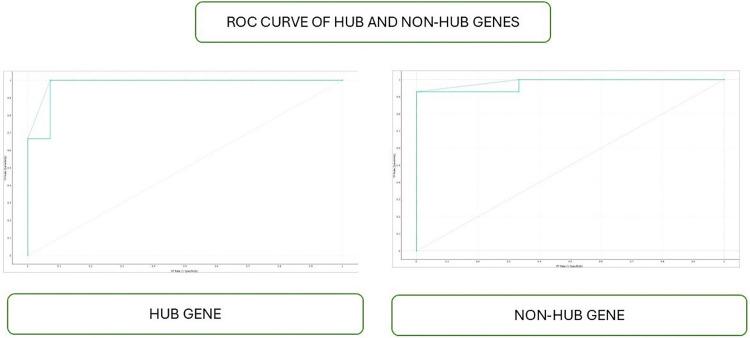
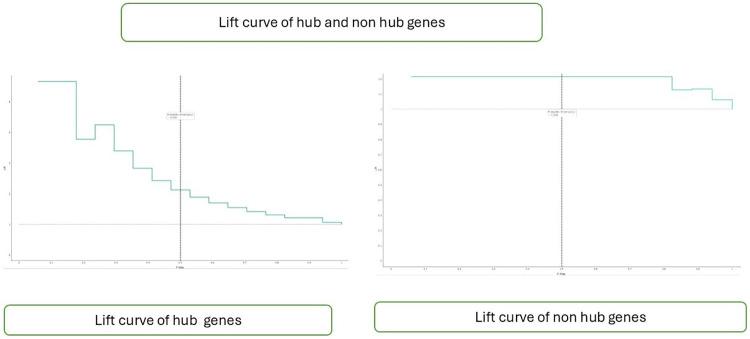
Our analysis revealed a co-expression network comprising 216 genes, including prominent hub genes such as IL17RC, CCN2, BMP7, TPM1, and TIMP1, which are implicated in periodontal disease. The gradient boosting model achieved an 88.2% accuracy in classifying interactome hub genes in samples related to peri-implantitis and periodontitis.
DISCUSSION
These identified genes play roles in inflammation, osteoclast genesis, angiogenesis, and immune response regulation. This study highlights essential hub genes and molecular pathways associated with peri-implantitis and periodontitis, suggesting potential therapeutic targets for developing innovative treatment strategies.
引言
种植体周围炎是一种影响牙种植体周围组织的破坏性炎症性疾病,与牙周炎存在病理相似性,牙周炎是一种影响天然牙支持结构的慢性炎症性疾病。本研究采用基于网络的方法对与种植体周围炎和牙周炎相关的相互作用组枢纽基因进行分类,旨在增进对疾病机制的理解并确定潜在的治疗靶点。
方法
我们采用梯度提升和加权基因共表达网络分析(WGCNA)来预测和分类这些相互作用组枢纽基因。与这些疾病相关的基因表达数据来自NCBI GEO数据集GSE223924,并使用NCBI GEO R工具进行差异基因表达分析。通过WGCNA,我们构建了一个共表达网络以识别关键枢纽基因,同时使用梯度提升来预测这些枢纽基因。
结果
我们的分析揭示了一个由216个基因组成的共表达网络,其中包括IL17RC、CCN2、BMP7、TPM1和TIMP1等突出的枢纽基因,这些基因与牙周疾病有关。梯度提升模型在对与种植体周围炎和牙周炎相关的样本中的相互作用组枢纽基因进行分类时,准确率达到了88.2%。
讨论
这些鉴定出的基因在炎症、破骨细胞生成、血管生成和免疫反应调节中发挥作用。本研究突出了与种植体周围炎和牙周炎相关的重要枢纽基因和分子途径,为开发创新治疗策略提供了潜在的治疗靶点。




 Zotero 插件