
三种塑料类型的微塑料和纳米塑料对鱼类的行为及分子影响:老化微纤维引发与纳米颗粒类似的反应。
Behavioral and molecular effects of micro and nanoplastics across three plastic types in fish: weathered microfibers induce a similar response to nanosized particles.
作者信息
Hutton Sara J, Kashiwabara Lauren, Anderson Erin, Siddiqui Samreen, Harper Bryan, Harper Stacey, Brander Susanne M
机构信息
Department of Environmental and Molecular Toxicology, Oregon State University, Corvallis, OR, United States.
Fisheries, Wildlife, and Conservation Sciences Department; Coastal Oregon Marine Experiment Station, Hatfield Marine Science Center, Oregon State University, Newport, OR, United States.
出版信息
Front Toxicol. 2024 Nov 26;6:1490223. doi: 10.3389/ftox.2024.1490223. eCollection 2024.
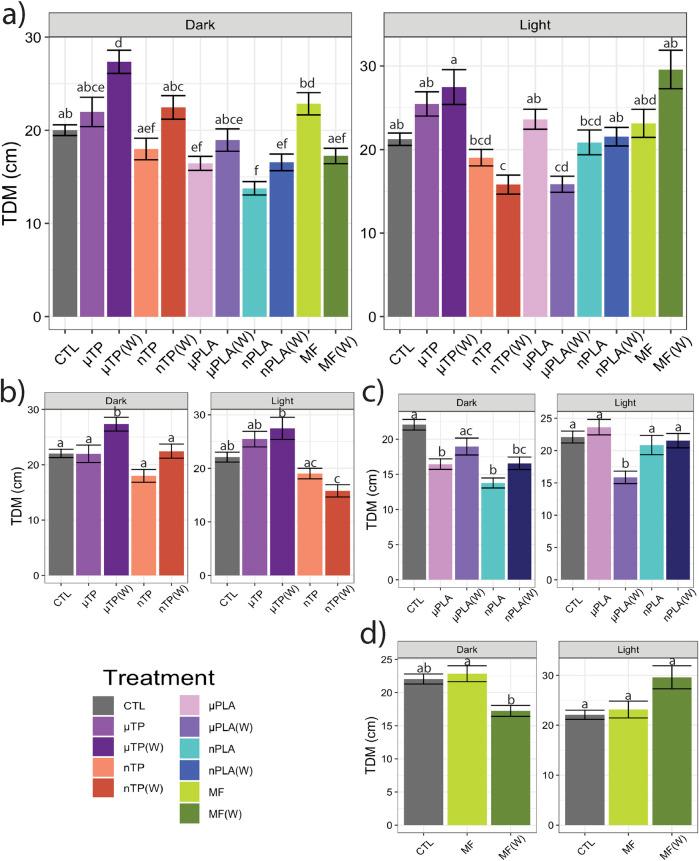
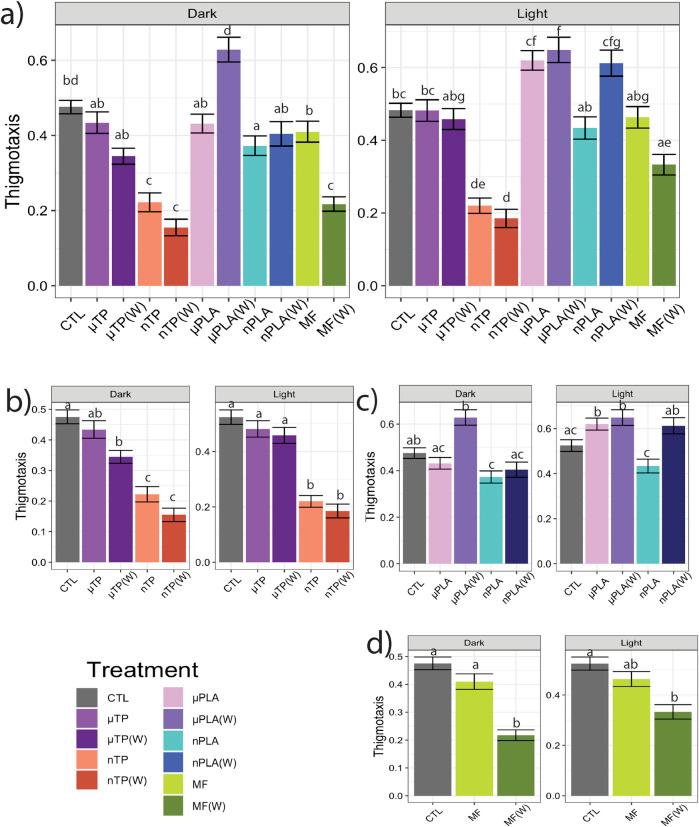
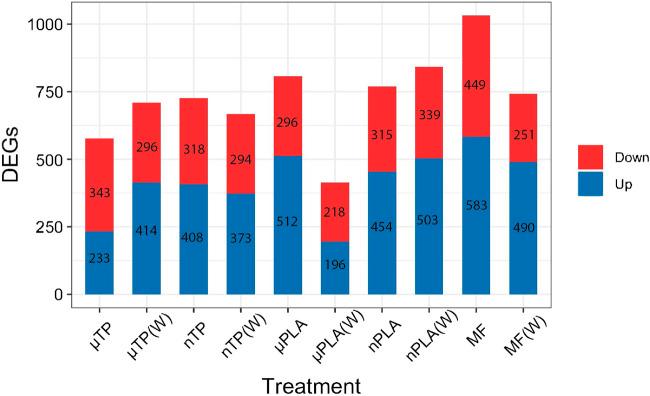
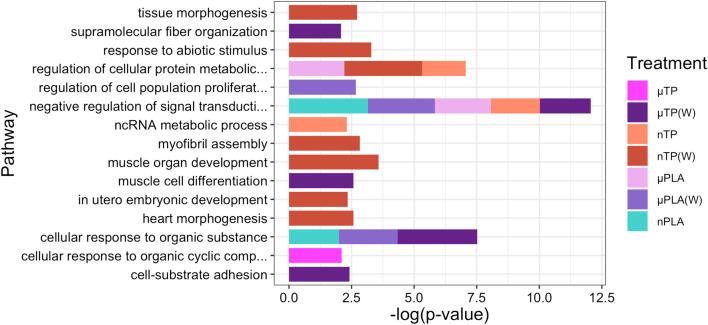
Micro and nanoplastics (MNPs) are ubiquitous in the environment and have been detected in most ecosystems, including remote regions. The class of contaminants under the MNP umbrella is quite broad and encompasses variable polymer types, shapes, and sizes. Fibers are the most frequently detected in the environment, followed by fragments, but still represent only a small fraction of laboratory studies. Many toxicity studies have been done using polystyrene microbeads which represent neither the polymer nor shape most present in the environment. Additionally, most of these studies are done using virgin particles when the majority of MNP pollution is from secondary microplastics which have weathered and broken down over time. To address these data gaps, we exposed the model fish Inland Silverside, , for 21-days to micro and nano cryo-milled tire particles, micro and nano polylactic acid, and polyester microfibers, both weathered and unweathered treatments were tested. We evaluated the impacts of these particles on growth, behavior, and gene expression to compare the relative toxicities of the different particles. We found that overall, the nanoparticles and weathered fibers had the greatest effect on behavior and gene expression. Gene ontology analysis revealed strong evidence suggesting MNP exposure affected pathways involved in muscle contraction and function. Unweathered microfibers decreased growth which may be a result of food dilution. Our results also suggest that under weathering conditions polyester microfibers breakdown into smaller sizes and induce toxicity similar to nanoparticles. This study highlights the variable effects of MNPs in fish and emphasizes the importance of considering particle shape and size in toxicity studies.
微塑料和纳米塑料(MNPs)在环境中无处不在,并且已在包括偏远地区在内的大多数生态系统中被检测到。MNPs 这一类污染物范围相当广泛,涵盖了多种聚合物类型、形状和尺寸。纤维是在环境中最常被检测到的,其次是碎片,但在实验室研究中它们仍只占一小部分。许多毒性研究使用的是聚苯乙烯微珠,而聚苯乙烯微珠既不能代表环境中最常见的聚合物,也不能代表其形状。此外,这些研究大多使用的是原始颗粒,而大多数 MNPs 污染来自随着时间推移已经风化和分解的次生微塑料。为了填补这些数据空白,我们将模式鱼类内陆银汉鱼暴露于微塑料和纳米级低温研磨轮胎颗粒、微塑料和纳米级聚乳酸以及聚酯微纤维中 21 天,同时测试了风化和未风化处理的情况。我们评估了这些颗粒对生长、行为和基因表达的影响,以比较不同颗粒的相对毒性。我们发现总体而言,纳米颗粒和风化纤维对行为和基因表达的影响最大。基因本体分析显示有强有力的证据表明接触 MNPs 会影响与肌肉收缩和功能相关的途径。未风化的微纤维会降低生长,这可能是食物稀释的结果。我们的结果还表明,在风化条件下,聚酯微纤维会分解成更小的尺寸,并产生与纳米颗粒类似的毒性。这项研究突出了 MNPs 对鱼类的不同影响,并强调了在毒性研究中考虑颗粒形状和尺寸的重要性。


 Zotero 插件