
了解厌氧细菌群落中的群体感应和生物膜形成
Understanding Quorum-Sensing and Biofilm Forming in Anaerobic Bacterial Communities.
作者信息
Markowska Kinga, Szymanek-Majchrzak Ksenia, Pituch Hanna, Majewska Anna
机构信息
Department of Medical Microbiology, Medical University of Warsaw, 5 Chalubinski Str., 02-004 Warsaw, Poland.
出版信息
Int J Mol Sci. 2024 Nov 28;25(23):12808. doi: 10.3390/ijms252312808.
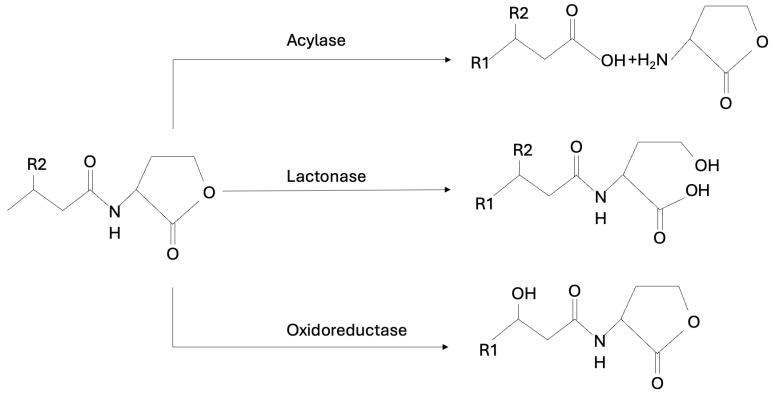
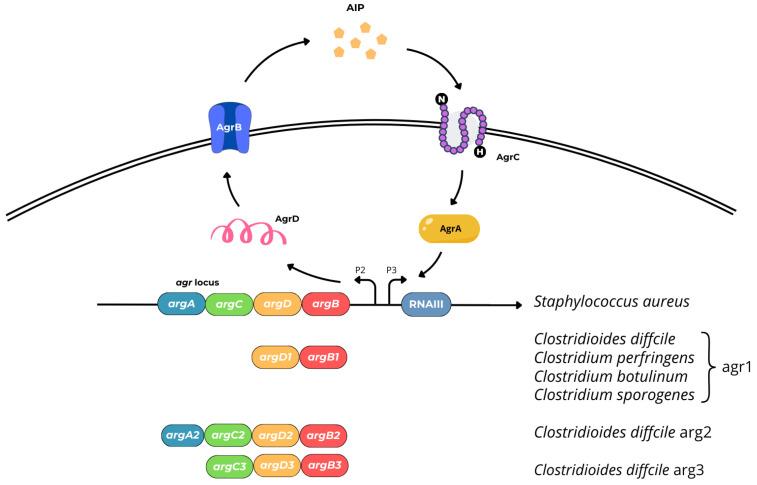
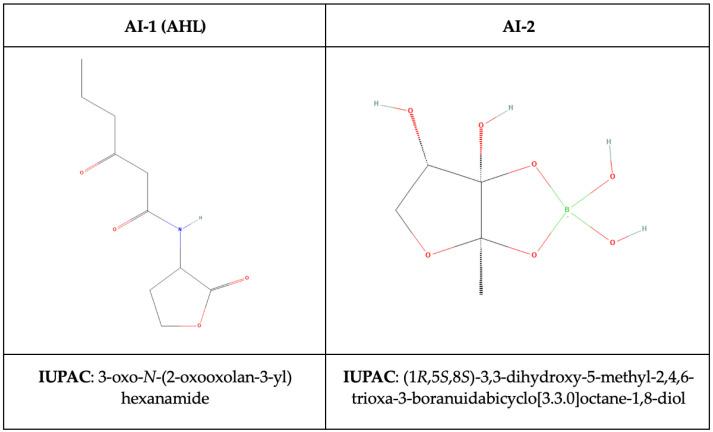
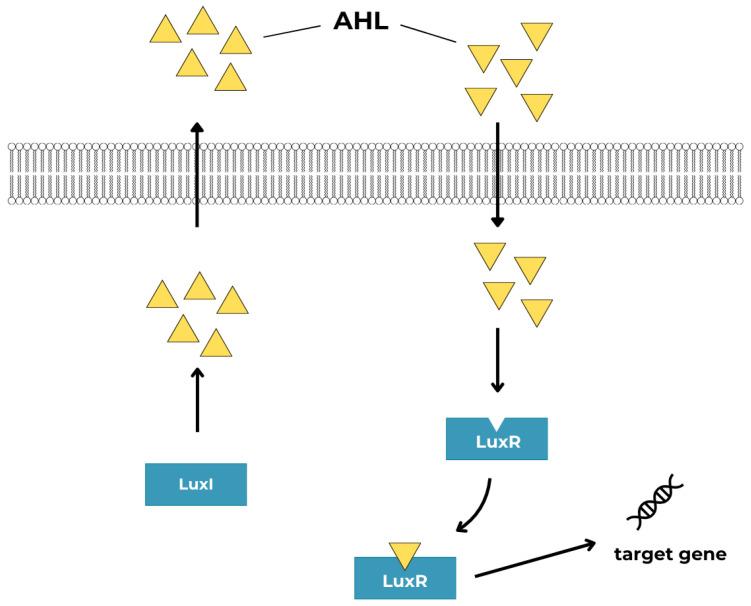
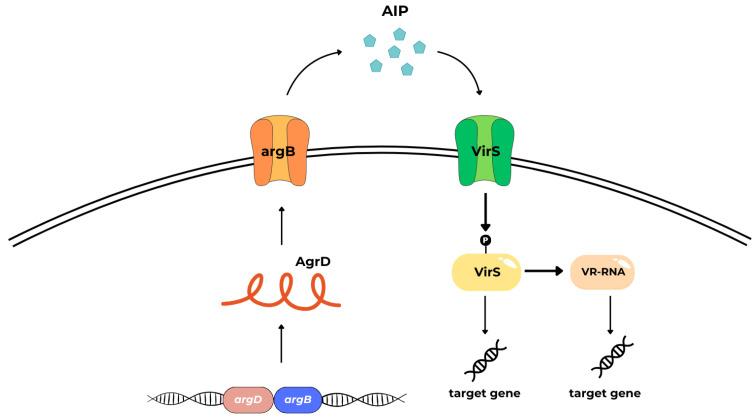
Biofilms are complex, highly organized structures formed by microorganisms, with functional cell arrangements that allow for intricate communication. Severe clinical challenges occur when anaerobic bacterial species establish long-lasting infections, especially those involving biofilms. These infections can occur in device-related settings (e.g., implants) as well as in non-device-related conditions (e.g., inflammatory bowel disease). Within biofilms, bacterial cells communicate by producing and detecting extracellular signals, particularly through specific small signaling molecules known as autoinducers. These quorum-sensing signals are crucial in all steps of biofilm formation: initial adhesion, maturation, and dispersion, triggering gene expression that coordinates bacterial virulence factors, stimulates immune responses in host tissues, and contributes to antibiotic resistance development. Within anaerobic biofilms, bacteria communicate via quorum-sensing molecules such as N-Acyl homoserine lactones (AHLs), autoinducer-2 (AI-2), and antimicrobial molecules (autoinducing peptides, AIPs). To effectively combat pathogenic biofilms, understanding biofilm formation mechanisms and bacterial interactions is essential. The strategy to disrupt quorum sensing, termed quorum quenching, involves methods like inactivating or enzymatically degrading signaling molecules, competing with signaling molecules for binding sites, or noncompetitively binding to receptors, and blocking signal transduction pathways. In this review, we comprehensively analyzed the fundamental molecular mechanisms of quorum sensing in biofilms formed by anaerobic bacteria. We also highlight quorum quenching as a promising strategy to manage bacterial infections associated with anaerobic bacterial biofilms.
生物膜是由微生物形成的复杂、高度有序的结构,具有功能性的细胞排列方式,能够实现复杂的通讯。当厌氧细菌种类引发持续性感染,尤其是涉及生物膜的感染时,就会出现严峻的临床挑战。这些感染可能发生在与器械相关的环境中(如植入物),也可能发生在与器械无关的情况下(如炎症性肠病)。在生物膜内,细菌细胞通过产生和检测细胞外信号进行通讯,特别是通过称为自诱导物的特定小信号分子。这些群体感应信号在生物膜形成的所有步骤中都至关重要:初始黏附、成熟和分散,触发协调细菌毒力因子的基因表达,刺激宿主组织中的免疫反应,并促进抗生素耐药性的发展。在厌氧生物膜中,细菌通过群体感应分子进行通讯,如N-酰基高丝氨酸内酯(AHLs)、自诱导物-2(AI-2)和抗菌分子(自诱导肽,AIPs)。为了有效对抗致病性生物膜,了解生物膜形成机制和细菌相互作用至关重要。破坏群体感应的策略,称为群体猝灭,涉及诸如使信号分子失活或酶促降解、与信号分子竞争结合位点、或非竞争性结合受体以及阻断信号转导途径等方法。在本综述中,我们全面分析了厌氧细菌形成的生物膜中群体感应的基本分子机制。我们还强调群体猝灭是管理与厌氧细菌生物膜相关的细菌感染的一种有前景的策略。



 Zotero 插件