
严重急性呼吸综合征冠状病毒2(SARS-CoV-2)对男性生殖道的影响:精液分析和冷冻保存的见解
Impact of SARS-CoV-2 on the male reproductive tract: insights from semen analysis and cryopreservation.
作者信息
Giugliano Silvia, Mozzarelli Alessandro M, Navarra Annalisa, De Simone Gabriele, Rescigno Maria, Levi-Setti Paolo E, Albani Elena
机构信息
Department of Biomedical Sciences, Humanitas University, 20072, Pieve Emanuele, MI, Italy.
IRCCS Humanitas Research Hospital, 20089, Rozzano, Milan, Italy.
出版信息
J Assist Reprod Genet. 2025 Feb;42(2):577-587. doi: 10.1007/s10815-024-03321-4. Epub 2024 Dec 19.
PURPOSE
Severe acute respiratory syndrome coronavirus 2 (SARS-CoV-2), the virus behind the COVID-19 pandemic, affects multiple organs, including the male reproductive system. While viral infections can harm male fertility through cytokine storms, the effects of SARS-CoV-2 on fertility are still unclear. Thus, this study aimed to examine the persistence of viral RNA and inflammatory responses in semen following SARS-CoV-2 infection and the safety of conventional freezing and vitrification techniques.
METHODS
Semen samples from 20 patients were collected 3 months post-SARS-CoV-2 infection. Samples underwent freezing and vitrification. Molecular and cellular analysis separated seminal plasma and pellets. Flow cytometry characterized immune cells. Viral RNA was extracted from plasma and sperm, followed by RT-qPCR. Cytometric Bead Array measured cytokine levels.
RESULTS
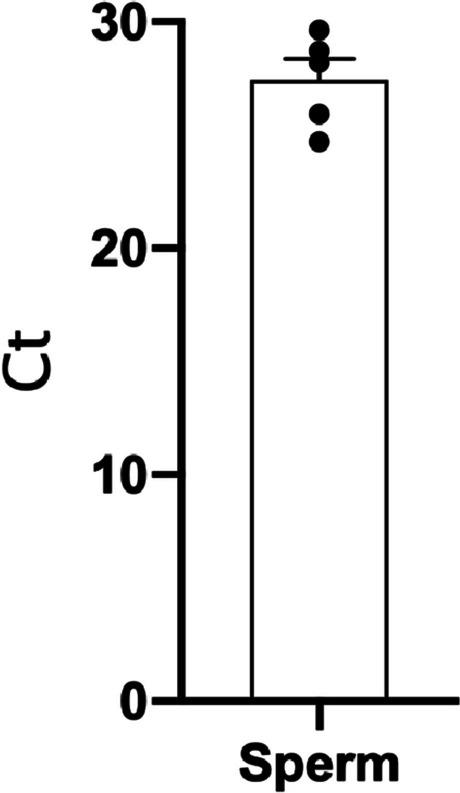
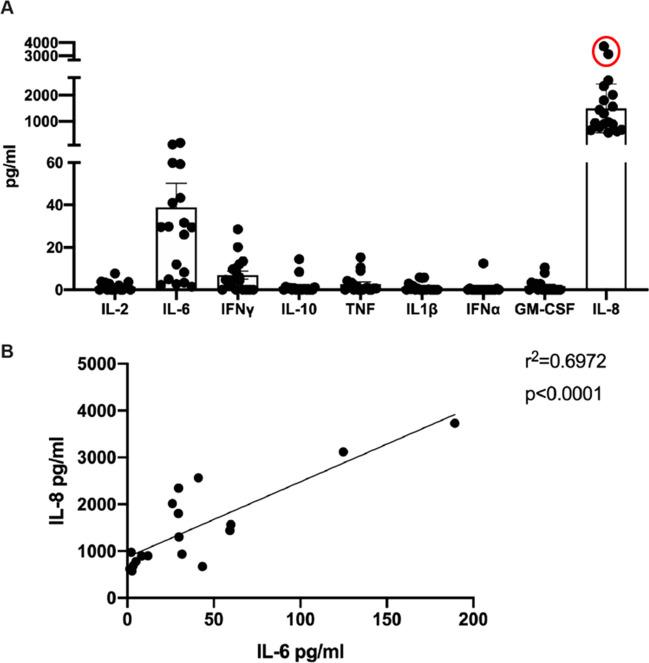
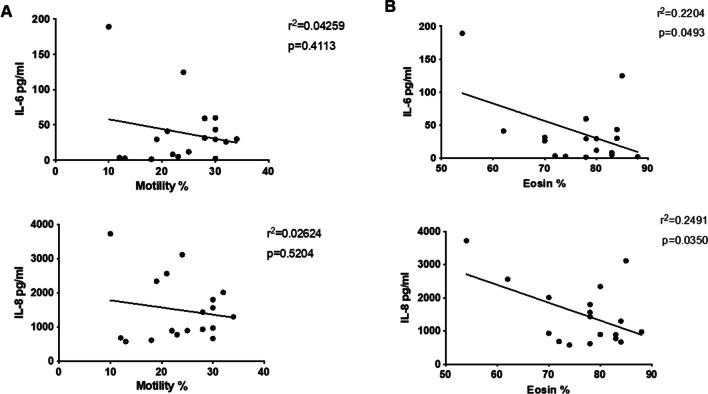
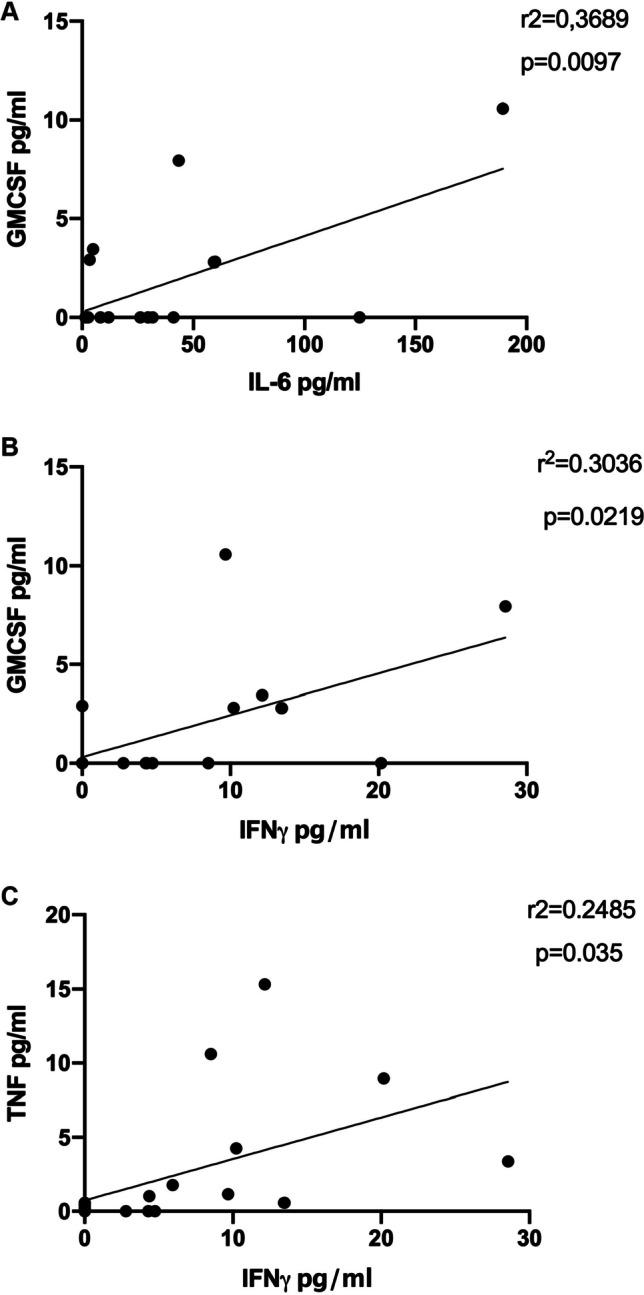
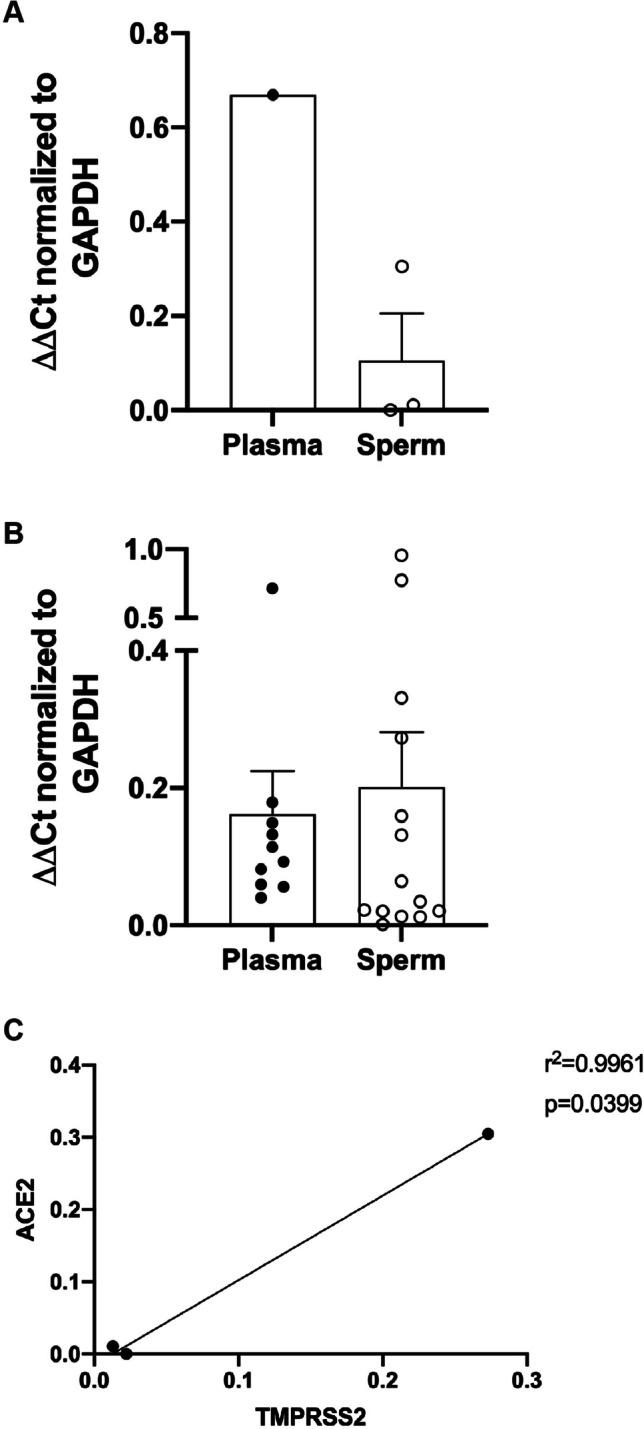
Angiotensin-converting enzyme 2 (ACE2) and transmembrane serine protease 2 (TMPRSS2) receptors were detected in both plasma and sperm fractions. Five patients exhibited viral RNA-dependent RNA polymerase, indicating potential persistence. Elevated inflammatory cytokines in plasma implied persistent inflammation affecting sperm vitality. Immune cells associated with viral clearance were identified in semen, correlating with receptor expression and cytokines. Both conventional freezing and vitrification were found safe procedures for preserving male fertility.
CONCLUSIONS
Our study highlights the impact of SARS-CoV-2 on male reproductive health, emphasizing the persistence of viral entry receptors, potential viral RNA presence, the inflammatory environment, and the involvement of immune populations in the male reproductive tract post-infection. Importantly, we confirm the safety of conventional freezing and vitrification techniques for preserving male fertility in assisted reproductive technology programs amidst the COVID-19 pandemic.
目的
严重急性呼吸综合征冠状病毒2(SARS-CoV-2)是导致新冠疫情的病毒,可影响包括男性生殖系统在内的多个器官。虽然病毒感染可通过细胞因子风暴损害男性生育能力,但SARS-CoV-2对生育能力的影响仍不清楚。因此,本研究旨在检测SARS-CoV-2感染后精液中病毒RNA的持续存在情况和炎症反应,以及传统冷冻和玻璃化技术的安全性。
方法
收集20例患者在SARS-CoV-2感染后3个月的精液样本。样本进行冷冻和玻璃化处理。分子和细胞分析将精浆和沉淀分离。流式细胞术对免疫细胞进行表征。从血浆和精子中提取病毒RNA,随后进行逆转录定量聚合酶链反应(RT-qPCR)。细胞因子微球阵列检测细胞因子水平。
结果
在血浆和精子组分中均检测到血管紧张素转换酶2(ACE2)和跨膜丝氨酸蛋白酶2(TMPRSS2)受体。5例患者表现出病毒RNA依赖性RNA聚合酶,表明可能存在病毒持续存在。血浆中炎症细胞因子升高意味着持续炎症影响精子活力。在精液中鉴定出与病毒清除相关的免疫细胞,与受体表达和细胞因子相关。发现传统冷冻和玻璃化都是保存男性生育能力的安全方法。
结论
我们的研究强调了SARS-CoV-2对男性生殖健康的影响,强调了病毒进入受体的持续存在、潜在的病毒RNA存在、炎症环境以及感染后男性生殖道中免疫群体的参与。重要的是,我们证实了在新冠疫情期间,传统冷冻和玻璃化技术在辅助生殖技术项目中保存男性生育能力的安全性。


 Zotero 插件