
进展期黑色素瘤免疫治疗中的预后生物标志物
Prognostic Biomarkers in Evolving Melanoma Immunotherapy.
作者信息
Reschke Robin, Enk Alexander H, Hassel Jessica C
机构信息
Medical Faculty Heidelberg, Department of Dermatology and National Center for Tumor Diseases (NCT), Heidelberg University, NCT Heidelberg, a partnership between DKFZ and University Hospital Heidelberg, Heidelberg, Germany.
German Cancer Consortium (DKTK), DKFZ, Core Center Heidelberg, 69120, Heidelberg, Germany.
出版信息
Am J Clin Dermatol. 2025 Mar;26(2):213-223. doi: 10.1007/s40257-024-00910-y. Epub 2024 Dec 21.
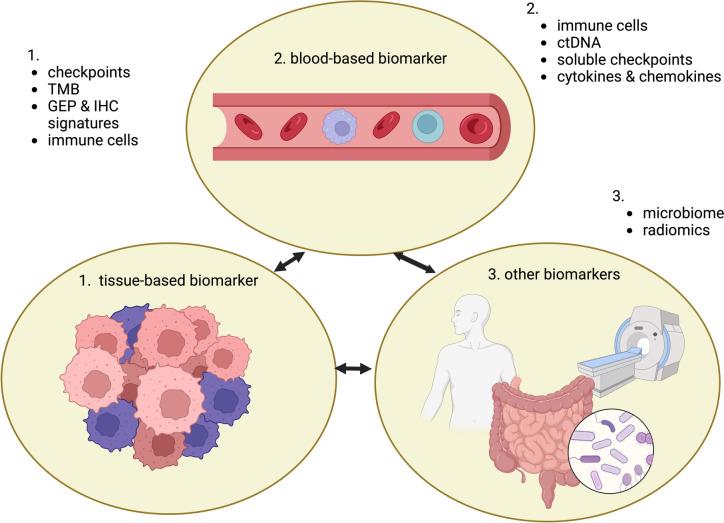
Melanoma, a highly aggressive form of skin cancer, has seen significant advancements in treatment through the introduction of immunotherapy. However, the variability in patient responses underscores the need for reliable biomarkers to guide treatment decisions. This article reviews key biomarkers in melanoma immunotherapy, such as PD-L1 expression, tumor mutational burden (TMB), and gene expression profiles (GEPs). It also explores emerging biomarkers, including LAG-3 expression, immune cell phenotyping in tissue and blood, gut microbiota, and circulating tumor DNA (ctDNA). Notably, ctDNA may offer valuable insights into the efficacy of T cell-engaging bispecific molecules, such as tebentafusp. The review provides a comprehensive overview of the evolving landscape of melanoma biomarkers, their role in personalizing treatment, and future research directions, including neoadjuvant immune checkpoint inhibition.
黑色素瘤是一种侵袭性很强的皮肤癌,通过引入免疫疗法,其治疗取得了显著进展。然而,患者反应的变异性凸显了需要可靠的生物标志物来指导治疗决策。本文综述了黑色素瘤免疫疗法中的关键生物标志物,如程序性死亡受体配体1(PD-L1)表达、肿瘤突变负荷(TMB)和基因表达谱(GEP)。还探讨了新兴的生物标志物,包括淋巴细胞活化基因3(LAG-3)表达、组织和血液中的免疫细胞表型分析、肠道微生物群和循环肿瘤DNA(ctDNA)。值得注意的是,ctDNA可能为诸如替贝福司等T细胞接合双特异性分子的疗效提供有价值的见解。该综述全面概述了黑色素瘤生物标志物不断变化的格局、它们在个性化治疗中的作用以及未来的研究方向,包括新辅助免疫检查点抑制。
 Zotero 插件