
开发一种基于水凝胶的三维(3D)胶质母细胞瘤细胞系培养体系,作为CD73抑制剂反应研究的模型系统。
Development of a hydrogel-based three-dimensional (3D) glioblastoma cell lines culture as a model system for CD73 inhibitor response study.
作者信息
Bahraminasab Marjan, Asgharzade Samira, Doostmohamadi Ali, Satari Atefeh, Hasannejad Farkhonde, Arab Samaneh
机构信息
Department of Tissue Engineering and Applied Cell Sciences, School of Medicine, Semnan University of Medical Sciences, Semnan, Iran.
Cellular and Molecular Research Center, Basic Health Sciences Institute, Shahrekord University of Medical Sciences, Shahrekord, Iran.
出版信息
Biomed Eng Online. 2024 Dec 21;23(1):127. doi: 10.1186/s12938-024-01320-1.
BACKGROUND
Despite the development of various therapeutic approaches over the past decades, the treatment of glioblastoma multiforme (GBM) remains a major challenge. The extracellular adenosine-generating enzyme, CD73, is involved in the pathogenesis and progression of GBM, and targeting CD73 may represent a novel approach to treat this cancer. In this study, three-dimensional culture systems based on three hydrogel compositions were characterized and an optimal type was selected to simulate the GBM microenvironment. In addition, the effect of a CD73 inhibitor on GBM cell aggregates and spheroids was investigated as a potential therapeutic approach for this disease.
METHODS
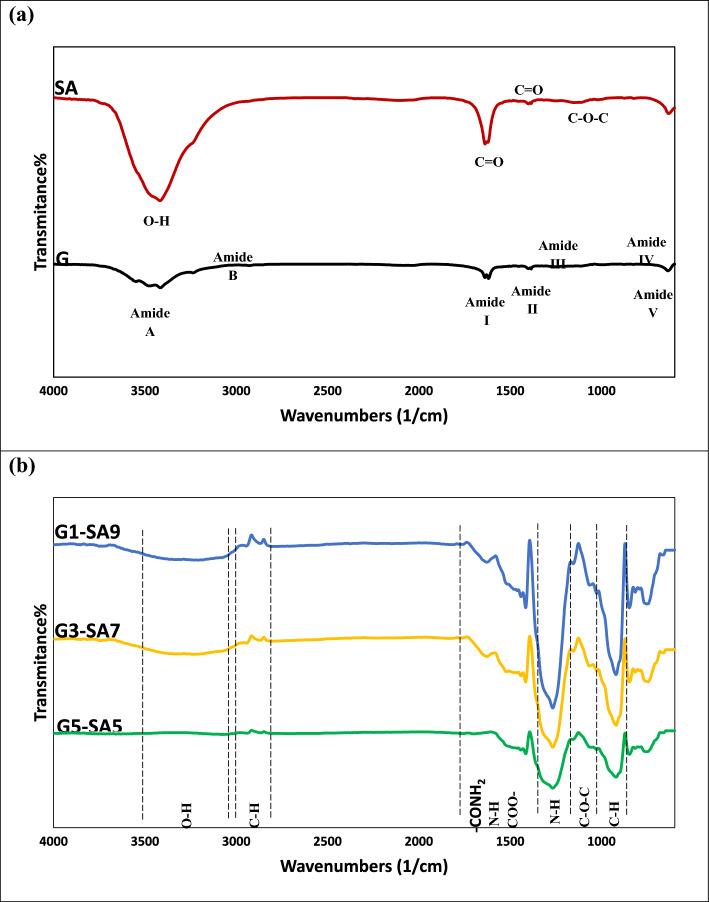
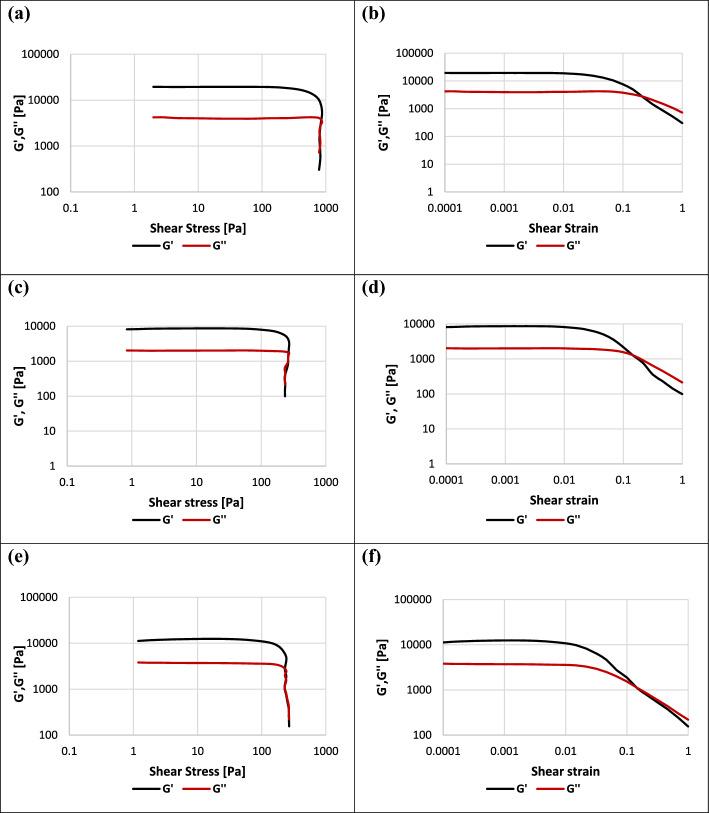
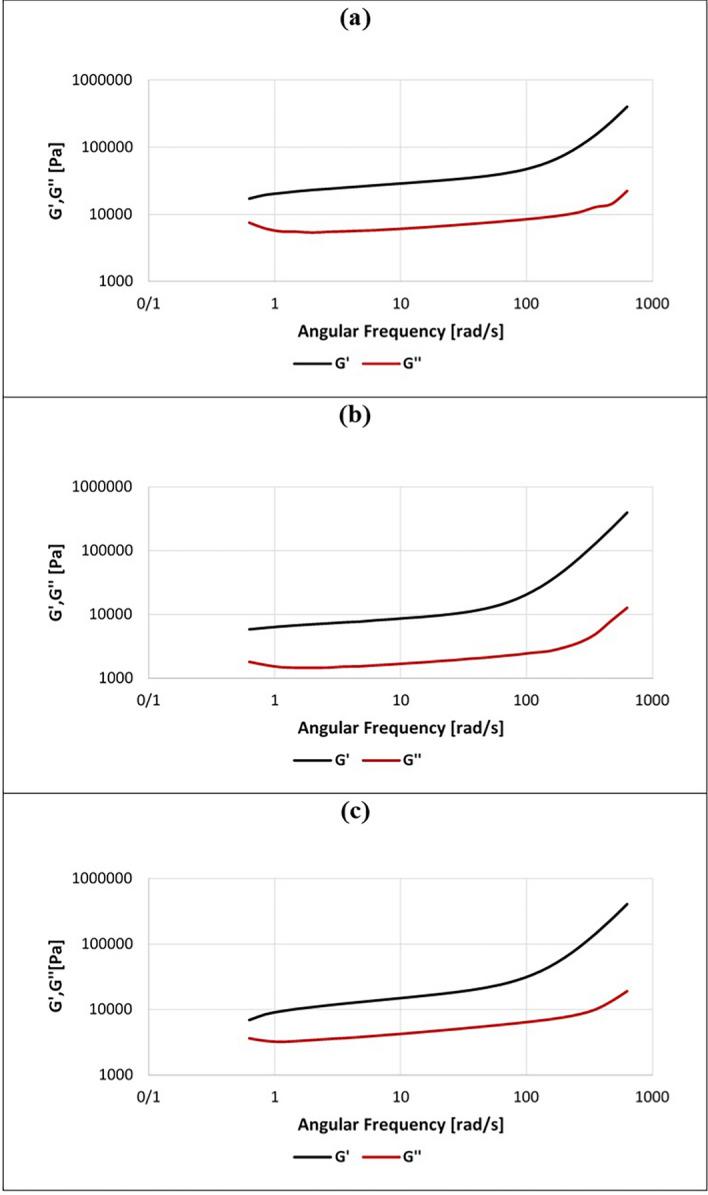
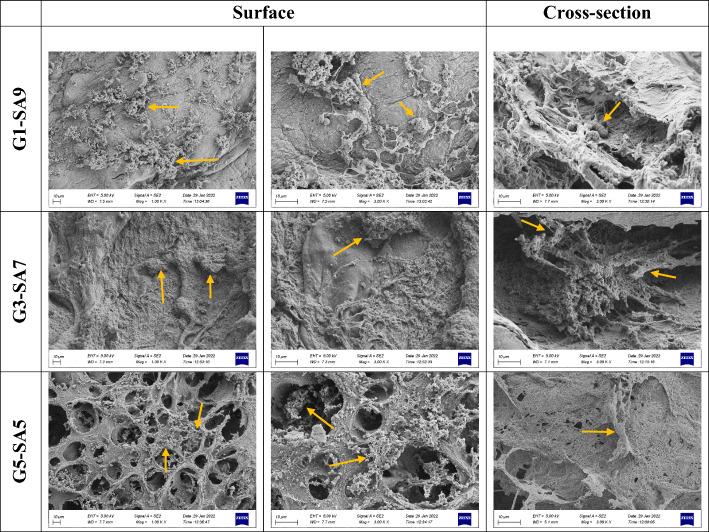
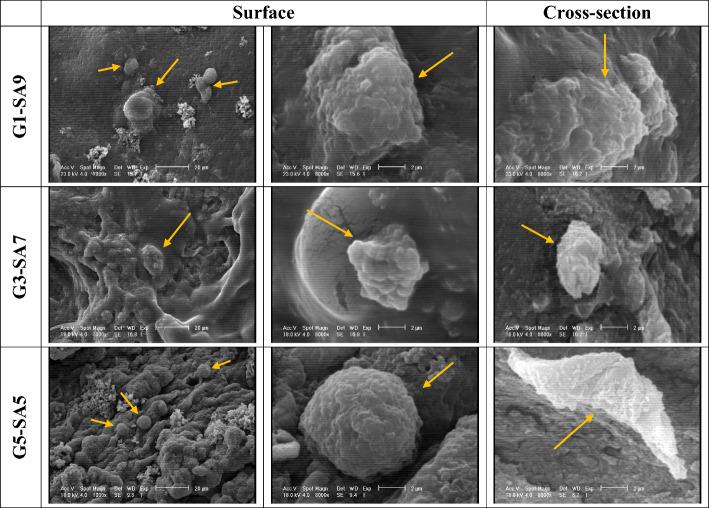
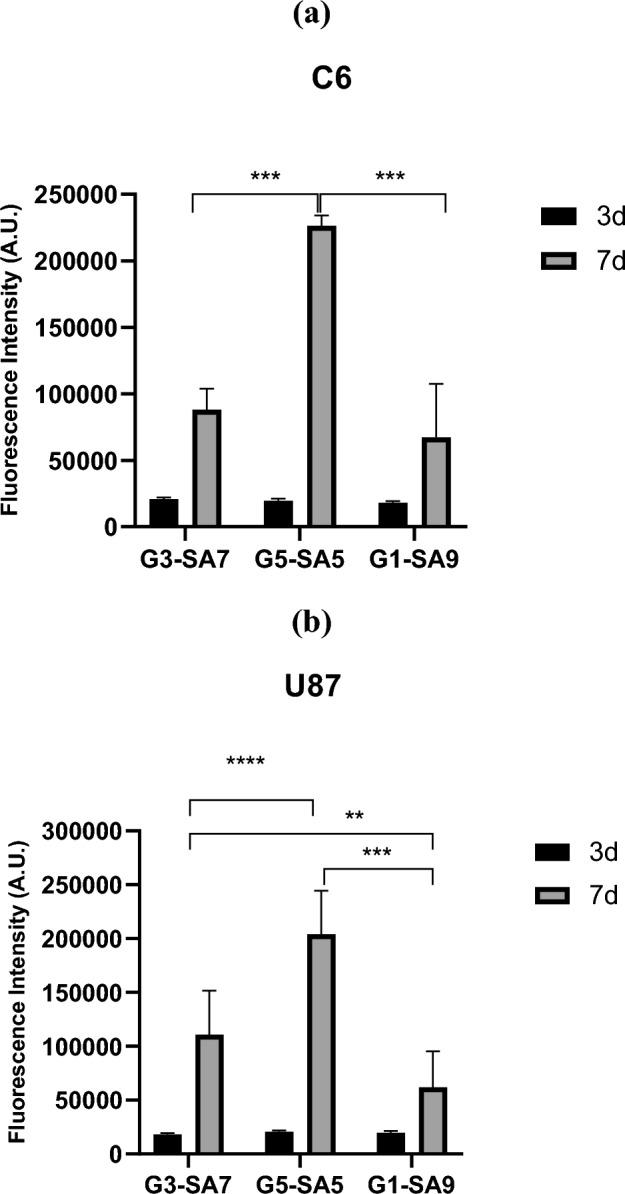
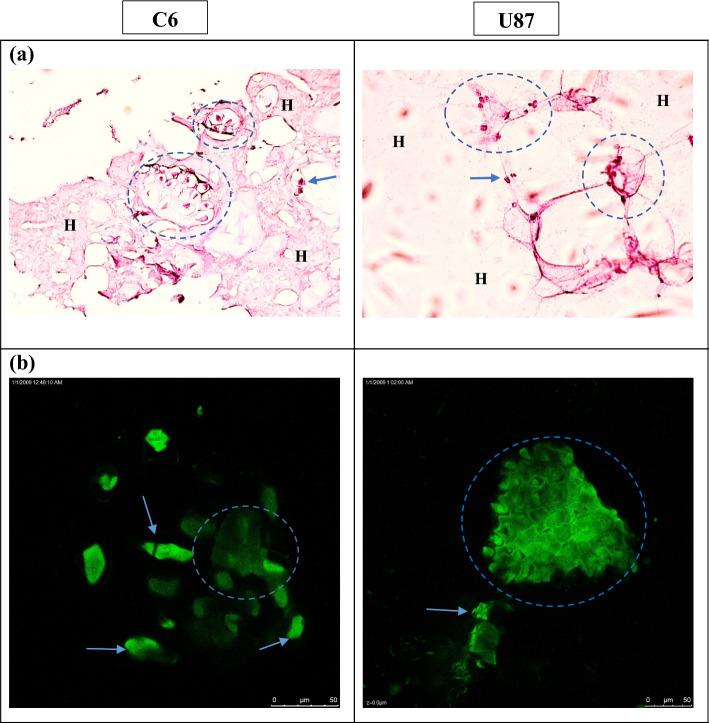
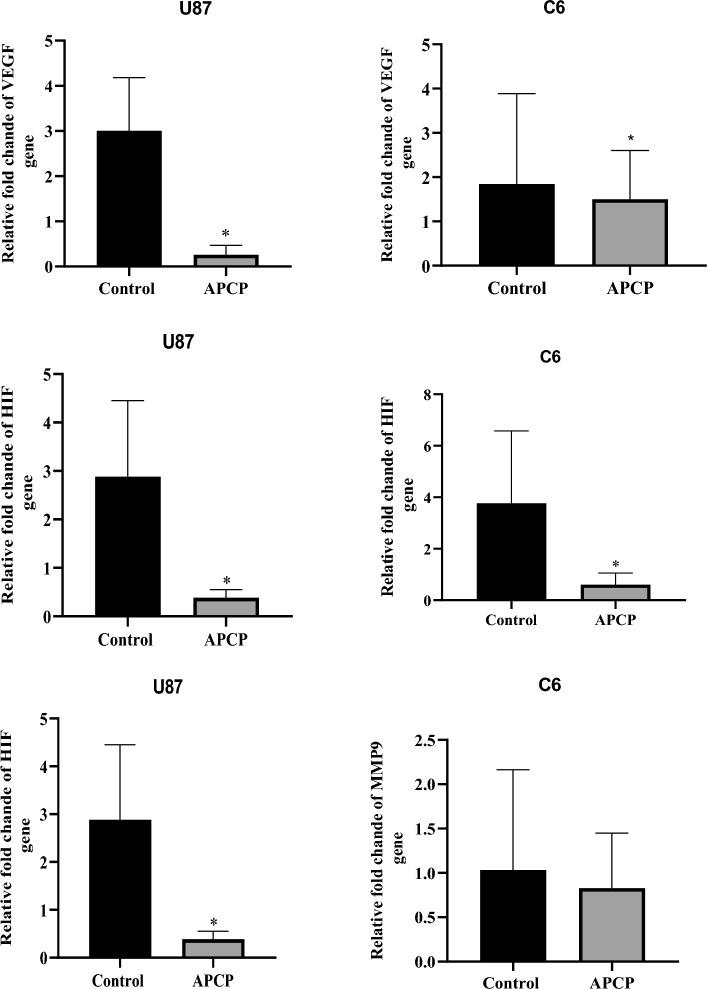
Rheology measurements, Fourier transform infrared spectroscopy (FT-IR), scanning electron microscopy (SEM) and cell proliferation assays were performed to analyze the synthesized hydrogel and select an optimal formulation. The viability of tumor cells in the optimal hydrogel was examined histologically and by confocal microscopy. In addition, the sensitivity of the tumor cells to the CD73 inhibitor was investigated using a cell proliferation assay and real-time PCR.
RESULTS
The data showed that the hydrogel containing 5 wt% gelatin and 5 wt% sodium alginate had better rheological properties and higher cell viability. Therefore, it could provide a more suitable environment for GBM cells and better mimic the natural microenvironment. GBM cells treated with CD73 inhibitors significantly decreased the proliferation rate and expression of VEGF and HIF1-α in the optimal hydrogel.
CONCLUSION
Our current research demonstrates the great potential of CD73 inhibitor for clinical translation of cancer studies by analyzing the behavior and function of 3D tumor cells, and thus for more effective treatment protocols for GBM.
背景
尽管在过去几十年间开发了各种治疗方法,但多形性胶质母细胞瘤(GBM)的治疗仍然是一项重大挑战。细胞外腺苷生成酶CD73参与GBM的发病机制和进展,靶向CD73可能代表一种治疗这种癌症的新方法。在本研究中,对基于三种水凝胶成分的三维培养系统进行了表征,并选择了一种最佳类型来模拟GBM微环境。此外,研究了CD73抑制剂对GBM细胞聚集体和球体的影响,作为这种疾病的一种潜在治疗方法。
方法
进行流变学测量、傅里叶变换红外光谱(FT-IR)、扫描电子显微镜(SEM)和细胞增殖测定,以分析合成水凝胶并选择最佳配方。通过组织学和共聚焦显微镜检查最佳水凝胶中肿瘤细胞的活力。此外,使用细胞增殖测定和实时PCR研究肿瘤细胞对CD73抑制剂的敏感性。
结果
数据显示,含有5 wt%明胶和5 wt%海藻酸钠的水凝胶具有更好的流变学性质和更高的细胞活力。因此,它可以为GBM细胞提供更合适的环境,并更好地模拟自然微环境。在最佳水凝胶中,用CD73抑制剂处理的GBM细胞显著降低了增殖率以及VEGF和HIF1-α的表达。
结论
我们目前的研究通过分析三维肿瘤细胞的行为和功能,证明了CD73抑制剂在癌症研究临床转化方面的巨大潜力,从而为GBM提供更有效的治疗方案。



 Zotero 插件