
芍药苷通过激活羰基还原酶(CBR),经由核因子κB(NF-κB)信号通路抑制禽致病性大肠杆菌(APEC)诱导的HD11细胞炎症反应。
Paeoniflorin inhibits APEC-induced inflammation in HD11 cells through the NF-κB signaling pathway by activating CBR.
作者信息
Shen Siyang, Fu Bendong, Tian Guang, Qin Shiyuan, Tan Zhengfei, Song Chengwen, Yi Pengfei, Peng Luyuan
机构信息
College of Veterinary Medicine, Jilin University, No. 5333 Xi'an Road, Changchun, Jilin 130062, China.
College of Veterinary Medicine, Jilin University, No. 5333 Xi'an Road, Changchun, Jilin 130062, China; State Key Laboratory for Diagnosis and Treatment of Severe Zoonotic Infectious Diseases, Jilin University, No. 5333 Xi'an Road, Changchun, Jilin 130062, China.
出版信息
Poult Sci. 2025 Feb;104(2):104683. doi: 10.1016/j.psj.2024.104683. Epub 2024 Dec 17.
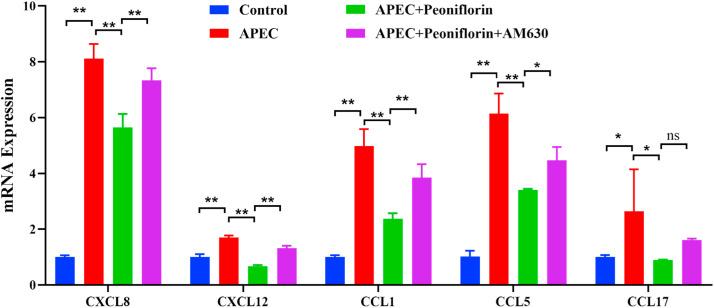
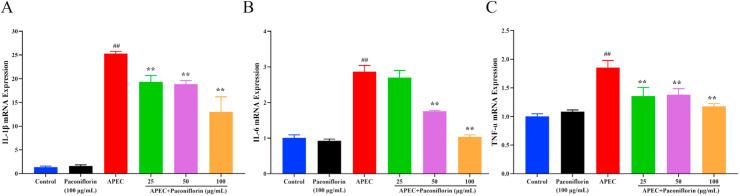
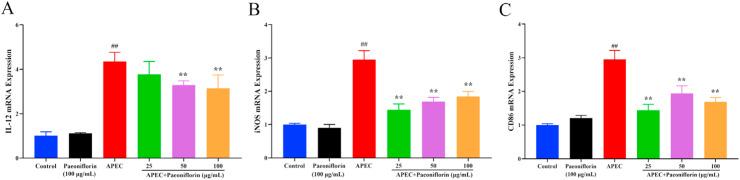
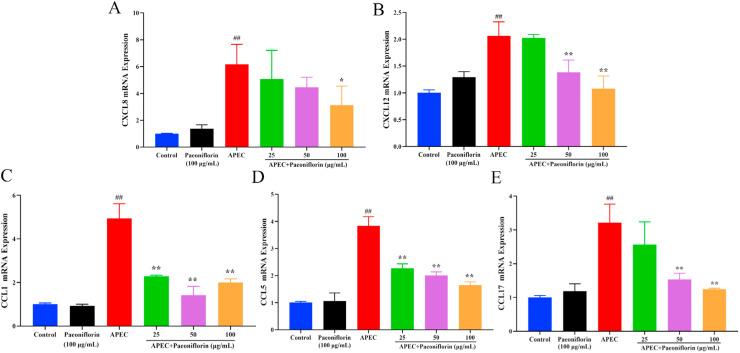
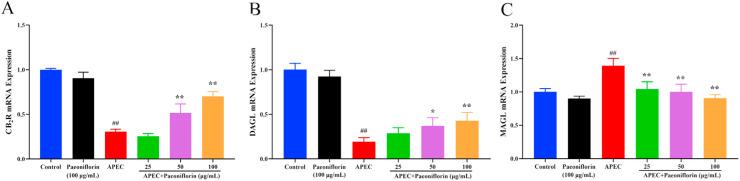
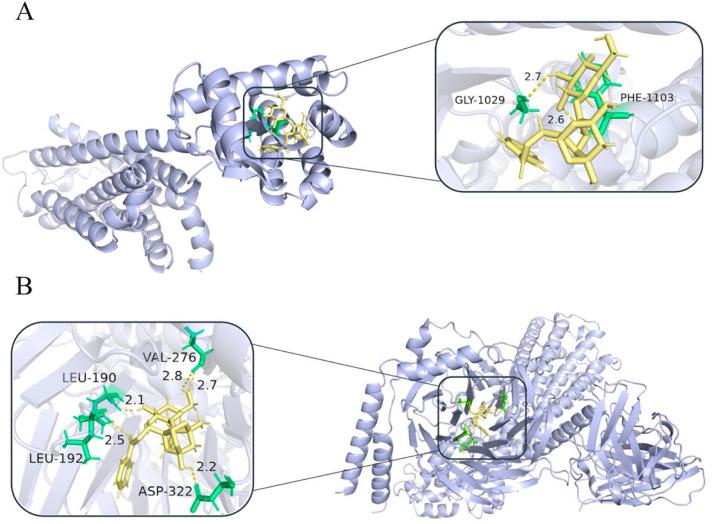
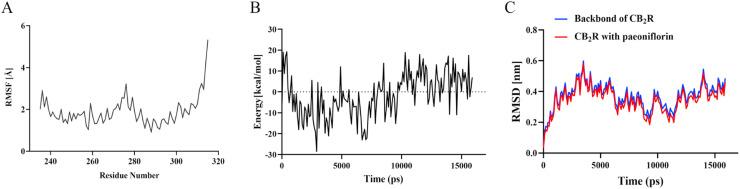
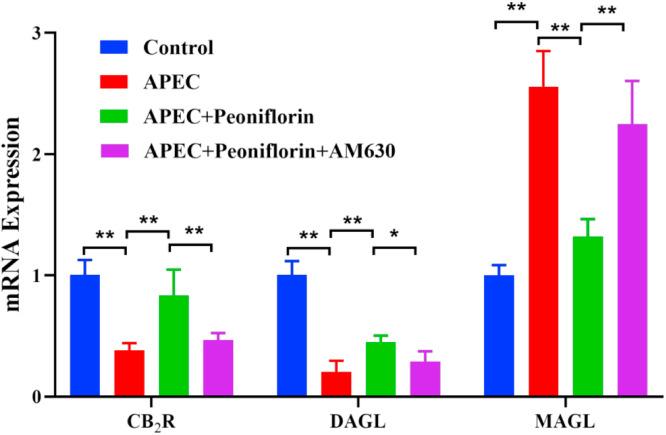
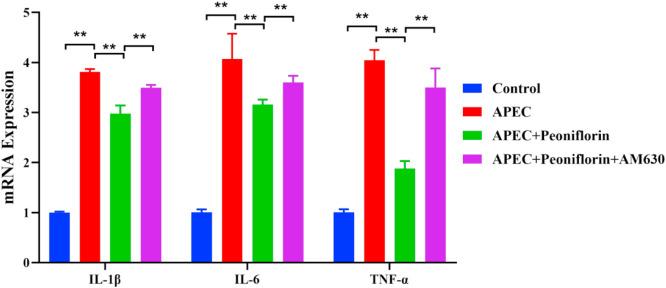
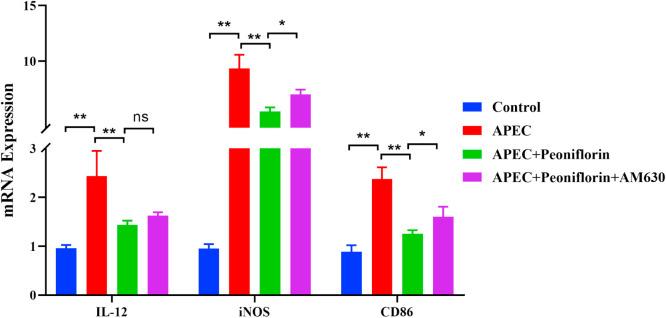
Avian pathogenic Escherichia coli (APEC) is a bacterial pathogen that threatens poultry reproduction by inciting systemic inflammation and leading to chicken colibacillosis. The endocannabinoid system (ECS) is an immunomodulator system that regulates inflammatory responses. In this study, we aimed to investigate the anti-inflammatory effect of paeoniflorin on APEC-infected HD11 cells and its underlying mechanism. The results showed that paeoniflorin significantly reduced the expression levels of pro-inflammatory factors (IL-1β, IL-6, TNF-α), M1-type macrophage-associated markers (IL-12, iNOS, CD86), and chemokines (CXCL8, CXCL12, CCL1, CCL5, CCL17). Additionally, paeoniflorin significantly reduced the expression of MAGL and restored that of DAGL and CBR, thereby activating the ECS. Furthermore, we found that paeoniflorin and CBR exhibited stable conformations through molecular docking and molecular dynamics simulations. The addition of the CBR inhibitor AM630 notably diminished paeoniflorin's inhibitory effects on the phosphorylation levels of proteins in the NF-κB signaling pathway and on inflammatory responses. These results indicate that the anti-inflammatory effects of paeoniflorin on APEC-induced HD11 cells may be mediated by the inhibition of the NF-κB signaling pathway through the activation of CBR. This work has the potential to provide a new agent for the control and prevention of chicken colibacillosis, as well as contribute to modern research in traditional Chinese medicine.
禽致病性大肠杆菌(APEC)是一种细菌病原体,它通过引发全身炎症并导致鸡大肠杆菌病来威胁家禽繁殖。内源性大麻素系统(ECS)是一种调节炎症反应的免疫调节系统。在本研究中,我们旨在探讨芍药苷对APEC感染的HD11细胞的抗炎作用及其潜在机制。结果表明,芍药苷显著降低了促炎因子(IL-1β、IL-6、TNF-α)、M1型巨噬细胞相关标志物(IL-12、iNOS、CD86)和趋化因子(CXCL8、CXCL12、CCL1、CCL5、CCL17)的表达水平。此外,芍药苷显著降低了单酰甘油脂肪酶(MAGL)的表达,并恢复了二酰甘油脂肪酶(DAGL)和羰基还原酶(CBR)的表达,从而激活了ECS。此外,我们通过分子对接和分子动力学模拟发现芍药苷和CBR呈现稳定的构象。添加CBR抑制剂AM630显著减弱了芍药苷对NF-κB信号通路中蛋白质磷酸化水平和炎症反应的抑制作用。这些结果表明,芍药苷对APEC诱导的HD11细胞的抗炎作用可能是通过激活CBR抑制NF-κB信号通路来介导的。这项工作有可能为鸡大肠杆菌病的控制和预防提供一种新的药物,也有助于中医药的现代研究。



 Zotero 插件