
靶向线粒体转移:心血管疾病治疗的新前沿。
Targeting mitochondrial transfer: a new horizon in cardiovascular disease treatment.
作者信息
Zuo Baile, Li Xiaoyan, Xu Dawei, Zhao Liping, Yang Yang, Luan Yi, Zhang Bi
机构信息
Molecular Immunology and Immunotherapy Laboratory, School of Medical Technology, Xinxiang Medical University, Xinxiang, Henan, China.
Department of Blood Transfusion, Shanxi Provincial People's Hospital, Taiyuan, Shanxi, China.
出版信息
J Transl Med. 2024 Dec 31;22(1):1160. doi: 10.1186/s12967-024-05979-x.
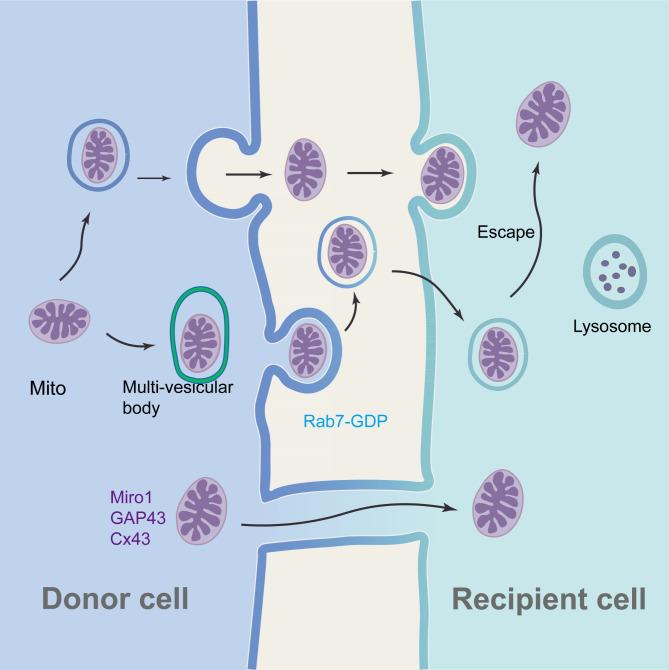
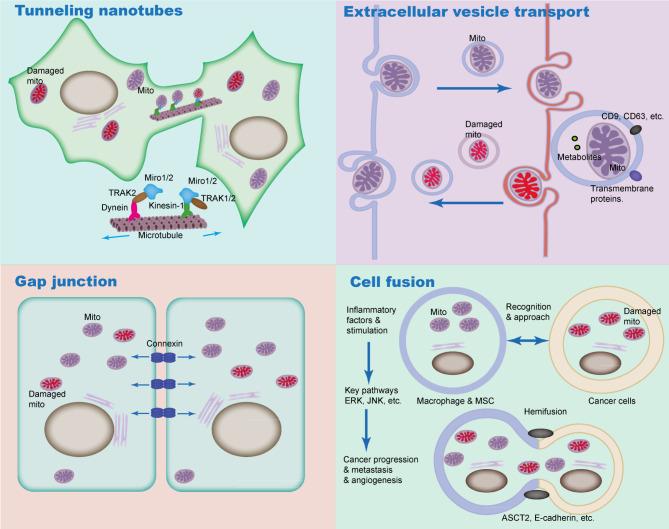
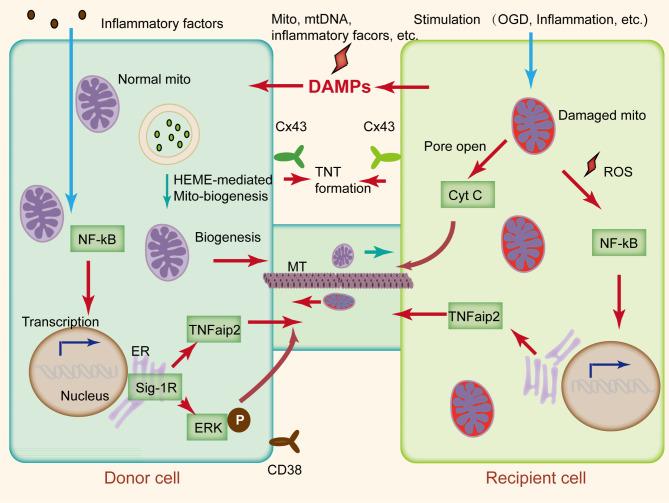
Cardiovascular diseases (CVDs) are the leading cause of mortality among individuals with noncommunicable diseases worldwide. Obesity is associated with an increased risk of developing cardiovascular disease (CVD). Mitochondria are integral to the cardiovascular system, and it has been reported that mitochondrial transfer is associated with the pathogenesis of multiple CVDs and obesity. This review offers a comprehensive examination of the relevance of mitochondrial transfer to cardiovascular health and disease, emphasizing the critical functions of mitochondria in energy metabolism and signal transduction within the cardiovascular system. This highlights how disruptions in mitochondrial transfer contribute to various CVDs, such as myocardial infarction, cardiomyopathies, and hypertension. Additionally, we provide an overview of the molecular mechanisms governing mitochondrial transfer and its potential implications for CVD treatment. This finding underscores the therapeutic potential of mitochondrial transfer and addresses the various mechanisms and challenges in its implementation. By delving into mitochondrial transfer and its targeted modulation, this review aims to advance our understanding of cardiovascular disease treatment, presenting new insights and potential therapeutic strategies in this evolving field.
心血管疾病(CVDs)是全球非传染性疾病患者死亡的主要原因。肥胖与心血管疾病(CVD)发病风险增加有关。线粒体是心血管系统不可或缺的一部分,据报道线粒体转移与多种心血管疾病和肥胖的发病机制有关。本综述全面探讨了线粒体转移与心血管健康和疾病的相关性,强调了线粒体在心血管系统能量代谢和信号转导中的关键作用。这突出了线粒体转移的破坏如何导致各种心血管疾病,如心肌梗死、心肌病和高血压。此外,我们概述了控制线粒体转移的分子机制及其对心血管疾病治疗的潜在影响。这一发现强调了线粒体转移的治疗潜力,并探讨了其实施中的各种机制和挑战。通过深入研究线粒体转移及其靶向调节,本综述旨在增进我们对心血管疾病治疗的理解,在这一不断发展的领域提出新的见解和潜在的治疗策略。



 Zotero 插件