
关于促进老年人健康长寿的最佳运动建议的全球共识(国际功能、健康与老龄化研究学会)
Global consensus on optimal exercise recommendations for enhancing healthy longevity in older adults (ICFSR).
作者信息
Izquierdo Mikel, de Souto Barreto Philipe, Arai Hidenori, Bischoff-Ferrari Heike A, Cadore Eduardo L, Cesari Matteo, Chen Liang-Kung, Coen Paul M, Courneya Kerry S, Duque Gustavo, Ferrucci Luigi, Fielding Roger A, García-Hermoso Antonio, Gutiérrez-Robledo Luis Miguel, Harridge Stephen D R, Kirk Ben, Kritchevsky Stephen, Landi Francesco, Lazarus Norman, Liu-Ambrose Teresa, Marzetti Emanuele, Merchant Reshma A, Morley John E, Pitkälä Kaisu H, Ramírez-Vélez Robinson, Rodriguez-Mañas Leocadio, Rolland Yves, Ruiz Jorge G, Sáez de Asteasu Mikel L, Villareal Dennis T, Waters Debra L, Won Won Chang, Vellas Bruno, Fiatarone Singh Maria A
机构信息
Navarrabiomed, Hospital Universitario de Navarra (CHN)-Universidad Pública de Navarra (UPNA), IdiSNA, Pamplona, Spain; CIBER of Frailty and Healthy Ageing (CIBERFES), Instituto de Salud Carlos III Madrid, Spain.
IHU HealthAge, Gérontopôle de Toulouse, Institut du Vieillissement, Centre Hospitalo-Universitaire de Toulouse, Toulouse, France; CERPOP, UPS/Inserm 1295, Toulouse, France.
出版信息
J Nutr Health Aging. 2025 Jan;29(1):100401. doi: 10.1016/j.jnha.2024.100401. Epub 2025 Jan 1.
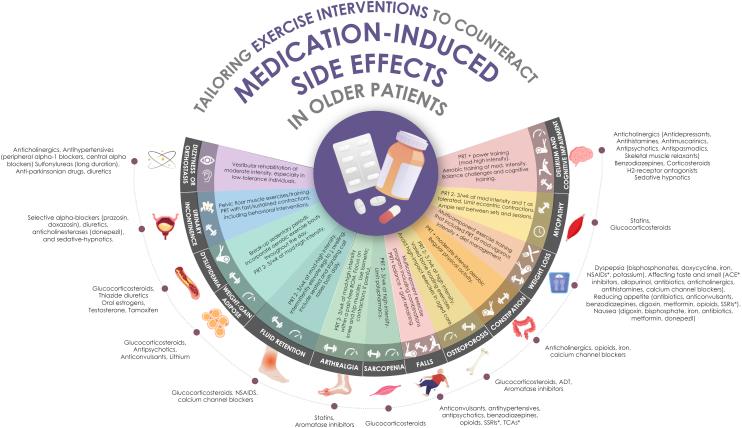
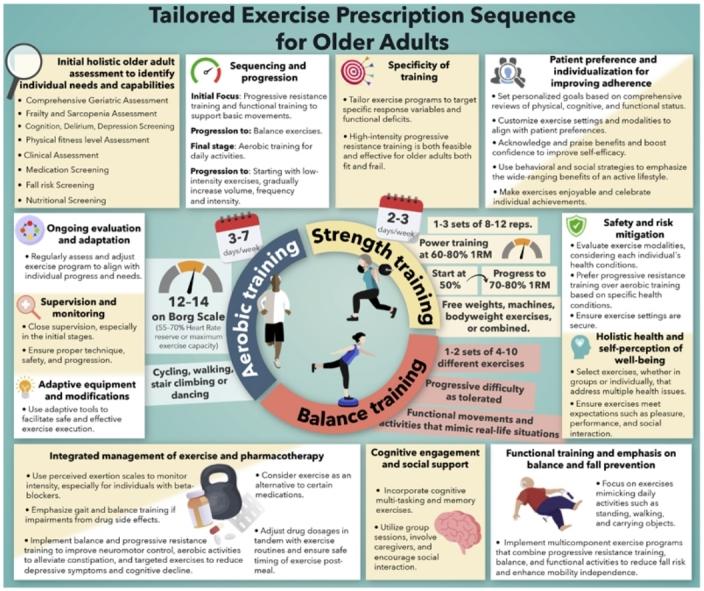
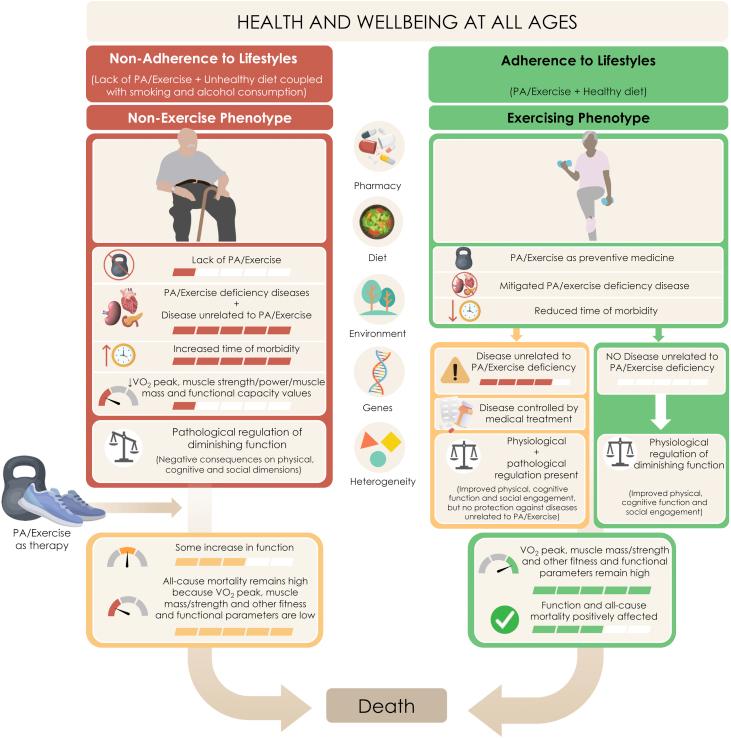
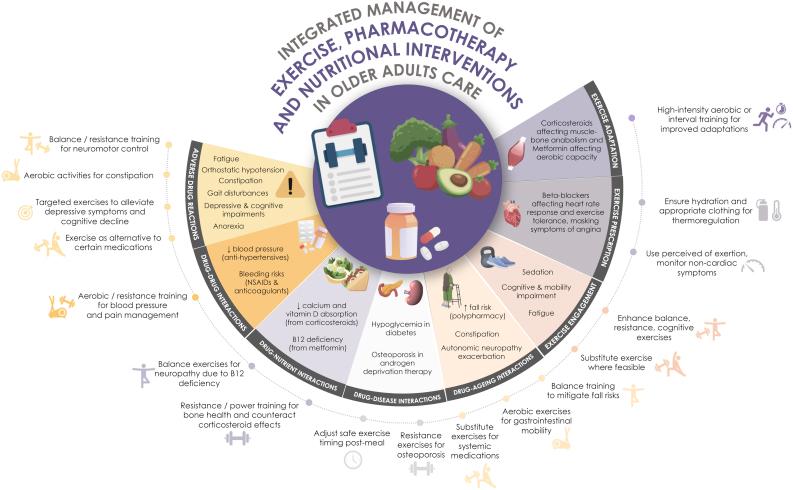
Aging, a universal and inevitable process, is characterized by a progressive accumulation of physiological alterations and functional decline over time, leading to increased vulnerability to diseases and ultimately mortality as age advances. Lifestyle factors, notably physical activity (PA) and exercise, significantly modulate aging phenotypes. Physical activity and exercise can prevent or ameliorate lifestyle-related diseases, extend health span, enhance physical function, and reduce the burden of non-communicable chronic diseases including cardiometabolic disease, cancer, musculoskeletal and neurological conditions, and chronic respiratory diseases as well as premature mortality. Physical activity influences the cellular and molecular drivers of biological aging, slowing aging rates-a foundational aspect of geroscience. Thus, PA serves both as preventive medicine and therapeutic agent in pathological states. Sub-optimal PA levels correlate with increased disease prevalence in aging populations. Structured exercise prescriptions should therefore be customized and monitored like any other medical treatment, considering the dose-response relationships and specific adaptations necessary for intended outcomes. Current guidelines recommend a multifaceted exercise regimen that includes aerobic, resistance, balance, and flexibility training through structured and incidental (integrated lifestyle) activities. Tailored exercise programs have proven effective in helping older adults maintain their functional capacities, extending their health span, and enhancing their quality of life. Particularly important are anabolic exercises, such as Progressive resistance training (PRT), which are indispensable for maintaining or improving functional capacity in older adults, particularly those with frailty, sarcopenia or osteoporosis, or those hospitalized or in residential aged care. Multicomponent exercise interventions that include cognitive tasks significantly enhance the hallmarks of frailty (low body mass, strength, mobility, PA level, and energy) and cognitive function, thus preventing falls and optimizing functional capacity during aging. Importantly, PA/exercise displays dose-response characteristics and varies between individuals, necessitating personalized modalities tailored to specific medical conditions. Precision in exercise prescriptions remains a significant area of further research, given the global impact of aging and broad effects of PA. Economic analyses underscore the cost benefits of exercise programs, justifying broader integration into health care for older adults. However, despite these benefits, exercise is far from fully integrated into medical practice for older people. Many healthcare professionals, including geriatricians, need more training to incorporate exercise directly into patient care, whether in settings including hospitals, outpatient clinics, or residential care. Education about the use of exercise as isolated or adjunctive treatment for geriatric syndromes and chronic diseases would do much to ease the problems of polypharmacy and widespread prescription of potentially inappropriate medications. This intersection of prescriptive practices and PA/exercise offers a promising approach to enhance the well-being of older adults. An integrated strategy that combines exercise prescriptions with pharmacotherapy would optimize the vitality and functional independence of older people whilst minimizing adverse drug reactions. This consensus provides the rationale for the integration of PA into health promotion, disease prevention, and management strategies for older adults. Guidelines are included for specific modalities and dosages of exercise with proven efficacy in randomized controlled trials. Descriptions of the beneficial physiological changes, attenuation of aging phenotypes, and role of exercise in chronic disease and disability management in older adults are provided. The use of exercise in cardiometabolic disease, cancer, musculoskeletal conditions, frailty, sarcopenia, and neuropsychological health is emphasized. Recommendations to bridge existing knowledge and implementation gaps and fully integrate PA into the mainstream of geriatric care are provided. Particular attention is paid to the need for personalized medicine as it applies to exercise and geroscience, given the inter-individual variability in adaptation to exercise demonstrated in older adult cohorts. Overall, this consensus provides a foundation for applying and extending the current knowledge base of exercise as medicine for an aging population to optimize health span and quality of life.
衰老是一个普遍且不可避免的过程,其特征是随着时间的推移,生理改变和功能衰退逐渐累积,导致随着年龄增长,患病易感性增加,最终走向死亡。生活方式因素,尤其是身体活动(PA)和运动,能显著调节衰老表型。身体活动和运动可以预防或改善与生活方式相关的疾病,延长健康寿命,增强身体功能,并减轻包括心脏代谢疾病、癌症、肌肉骨骼和神经疾病、慢性呼吸道疾病以及过早死亡在内的非传染性慢性病负担。身体活动会影响生物衰老的细胞和分子驱动因素,减缓衰老速度——这是老年科学的一个基本方面。因此,身体活动在病理状态下既可以作为预防医学手段,也可以作为治疗药物。身体活动水平欠佳与老年人群中疾病患病率增加相关。因此,应像对待其他任何医疗治疗一样,根据剂量反应关系以及实现预期结果所需的特定适应性,定制并监测结构化运动处方。当前指南推荐一种多方面的运动方案,包括通过结构化和附带性(融入生活方式)活动进行有氧、抗阻、平衡和柔韧性训练。量身定制的运动计划已被证明能有效帮助老年人维持其功能能力,延长健康寿命,并提高生活质量。合成代谢运动,如渐进性抗阻训练(PRT),尤为重要,对于维持或改善老年人,特别是那些体弱、患有肌肉减少症或骨质疏松症的老年人,或住院或在老年护理机构居住的老年人的功能能力不可或缺。包含认知任务的多组分运动干预措施能显著改善衰弱的特征(低体重、力量、活动能力、身体活动水平和能量)以及认知功能,从而预防跌倒并在衰老过程中优化功能能力。重要的是,身体活动/运动具有剂量反应特性,且因人而异,因此需要针对特定医疗状况制定个性化方案。鉴于衰老的全球影响以及身体活动的广泛作用,运动处方的精准性仍是一个重要的进一步研究领域。经济分析强调了运动计划的成本效益,证明将其更广泛地纳入老年人医疗保健是合理的。然而,尽管有这些益处,运动在老年人医疗实践中仍远未得到充分整合。许多医疗保健专业人员,包括老年病医生,需要更多培训,以便将运动直接纳入患者护理中,无论是在医院、门诊诊所还是老年护理机构等环境中。关于将运动作为老年综合征和慢性病的单独或辅助治疗方法的教育,将大大有助于缓解多重用药问题以及潜在不适当药物的广泛处方问题。这种规定性做法与身体活动/运动的交叉领域为提高老年人的福祉提供了一种有前景的方法。将运动处方与药物治疗相结合的综合策略将优化老年人的活力和功能独立性,同时最大限度地减少药物不良反应。这一共识为将身体活动纳入老年人健康促进、疾病预防和管理策略提供了理论依据。其中包括在随机对照试验中已证明有效的特定运动方式和剂量的指南。提供了关于有益生理变化、衰老表型的减轻以及运动在老年人慢性病和残疾管理中的作用的描述。强调了运动在心脏代谢疾病、癌症、肌肉骨骼疾病、衰弱、肌肉减少症和神经心理健康方面的应用。针对弥合现有知识与实施差距并将身体活动充分纳入老年护理主流提出了建议。鉴于老年人群体中运动适应性的个体差异,特别关注适用于运动和老年科学的个性化医疗需求。总体而言,这一共识为应用和扩展当前将运动作为老年人群体医学的知识基础以优化健康寿命和生活质量提供了一个基础。



 Zotero 插件