
动态口腔-胃微生物轴连接口腔与胃部健康:当前证据与争议
The dynamic oral-gastric microbial axis connects oral and gastric health: current evidence and disputes.
作者信息
Xia Mengying, Lei Lei, Zhao Linyong, Xu Wenqing, Zhang Hongyu, Li Mingming, Hu Jiankun, Cheng Ran, Hu Tao
机构信息
State Key Laboratory of Oral Diseases & National Center for Stomatology & National Clinical Research Center for Oral Diseases & Frontier Innovation Center for Dental Medicine Plus & Department of Preventive Dentistry, West China Hospital of Stomatology, Sichuan University, Chengdu, Sichuan, China.
Department of Microbiology, ADA Forsyth Institute, Cambridge, USA.
出版信息
NPJ Biofilms Microbiomes. 2025 Jan 2;11(1):1. doi: 10.1038/s41522-024-00623-4.
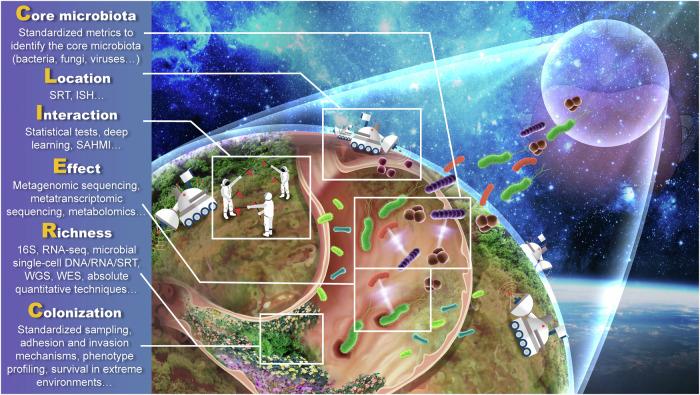
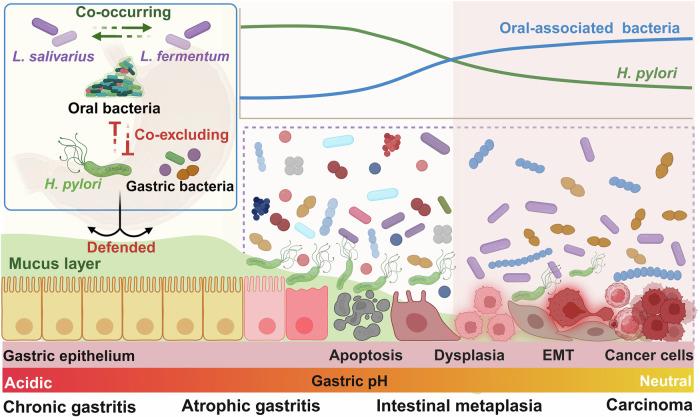
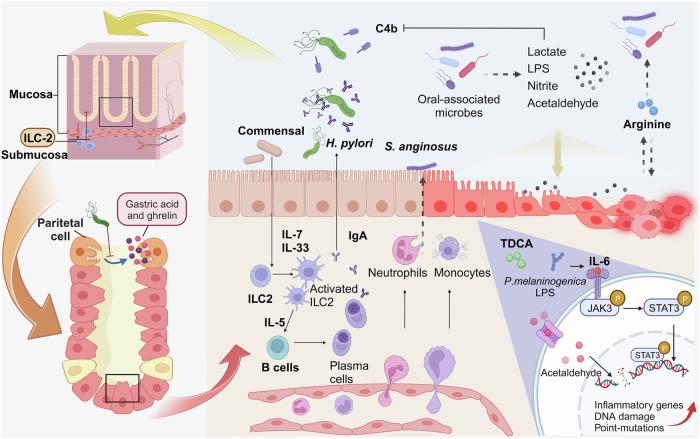
Emerging evidence indicates that oral microbes are closely related to gastric microbes and gastric lesions, including gastric atrophy, intestinal metaplasia and gastric cancer (GC). Helicobacter pylori is a key pathogen involved in GC. However, the increasing prevalence of H. pylori-negative GC and gastric dysbiosis in GC patients emphasize the potential role of other microbial factors. In this review, we discussed the current evidence about the relationship between the oral-gastric microbial axis and oral and gastric health. Epidemiologic evidence indicates that poor oral hygiene is related to greater GC risk. Multiple oral-associated microbes are enriched in the stomach of GC patients. Once colonizing the stomach, oral-associated microbes Streptococcus anginosus and Prevotella melaninogenica, are involved in gastric inflammation or carcinogenesis. Microbial metabolites such as lactate, nitrite, and acetaldehyde promote malignant transformation. The stomach, as a checkpoint of microbial transmission in the digestive tract, is of great importance since the link between oral microbes and intestinal diseases has been emphasized. Still, new technologies and standardized metrics are necessary to identify potential pathogenetic microbes for GC and the core microbiota, interactions, richness, colonization, location and effect (CIRCLE). In the future, oral microbes could be candidates for noninvasive indicators to predict gastric diseases.
新出现的证据表明,口腔微生物与胃微生物以及胃部病变密切相关,这些病变包括胃萎缩、肠化生和胃癌(GC)。幽门螺杆菌是参与胃癌发生的关键病原体。然而,幽门螺杆菌阴性胃癌的患病率不断上升以及胃癌患者的胃微生物群失调,凸显了其他微生物因素的潜在作用。在这篇综述中,我们讨论了目前关于口腔-胃微生物轴与口腔和胃部健康之间关系的证据。流行病学证据表明,口腔卫生差与胃癌风险增加有关。多种与口腔相关的微生物在胃癌患者的胃中富集。一旦定植于胃中,与口腔相关的微生物——咽峡炎链球菌和产黑素普雷沃菌,就会参与胃部炎症或致癌过程。微生物代谢产物如乳酸、亚硝酸盐和乙醛会促进恶性转化。胃作为消化道微生物传播的一个关卡,非常重要,因为口腔微生物与肠道疾病之间的联系已受到重视。尽管如此,仍需要新技术和标准化指标来识别胃癌潜在的致病微生物以及核心微生物群、相互作用、丰富度、定植、位置和影响(CIRCLE)。未来,口腔微生物可能成为预测胃部疾病的非侵入性指标的候选对象。

 Zotero 插件