
转录因子GABPA是幼稚多能性的主要调节因子。
The transcription factor GABPA is a master regulator of naive pluripotency.
作者信息
Zhou Chengjie, Wang Meng, Zhang Chunxia, Zhang Yi
机构信息
Howard Hughes Medical Institute, Boston Children's Hospital, Boston, MA, USA.
Program in Cellular and Molecular Medicine, Boston Children's Hospital, Boston, MA, USA.
出版信息
Nat Cell Biol. 2025 Jan;27(1):48-58. doi: 10.1038/s41556-024-01554-0. Epub 2025 Jan 2.
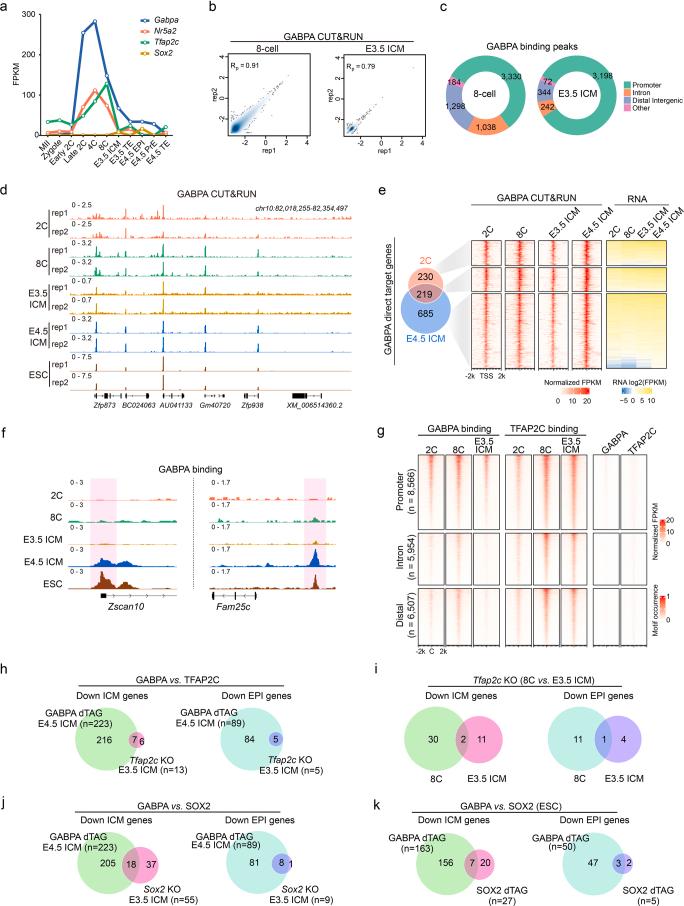
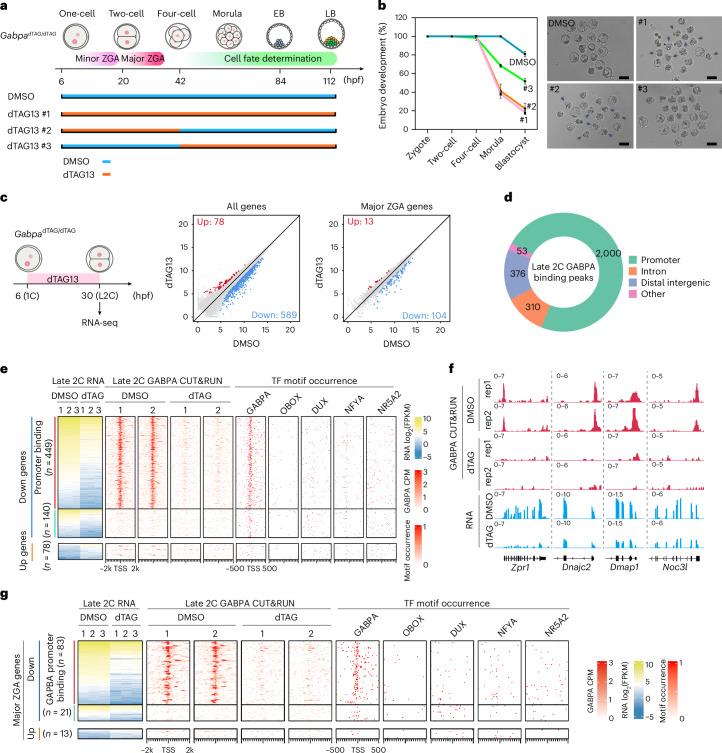
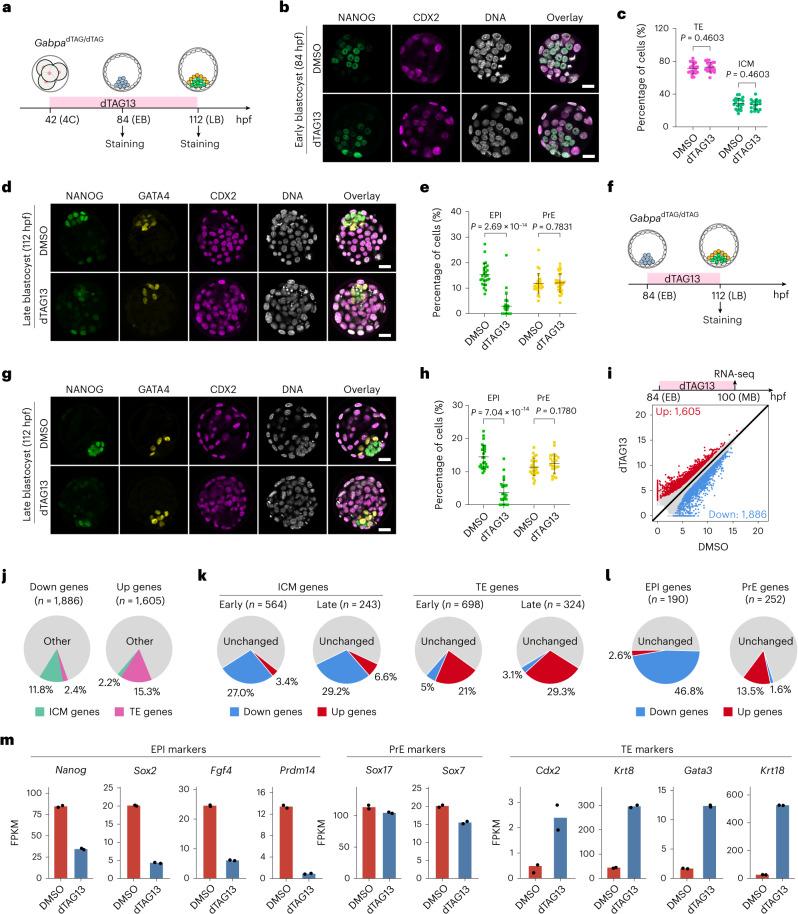
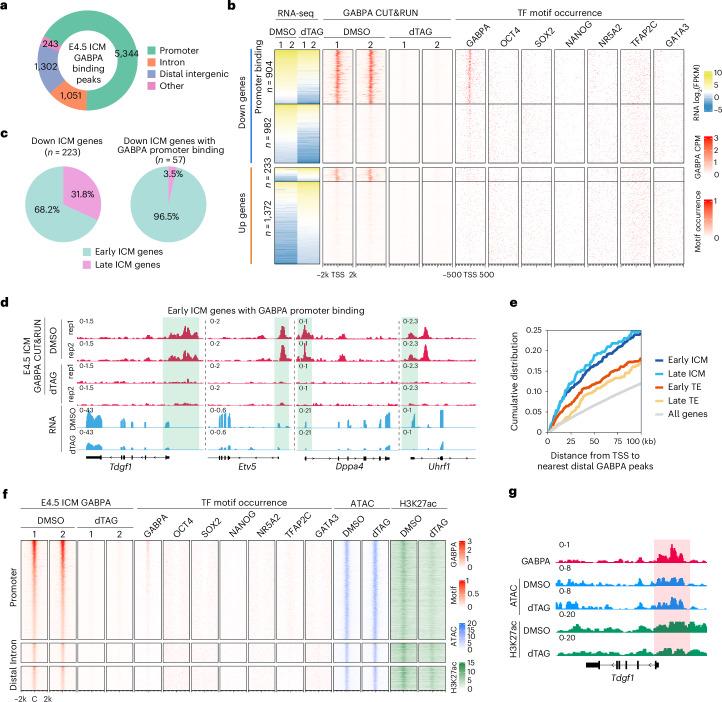
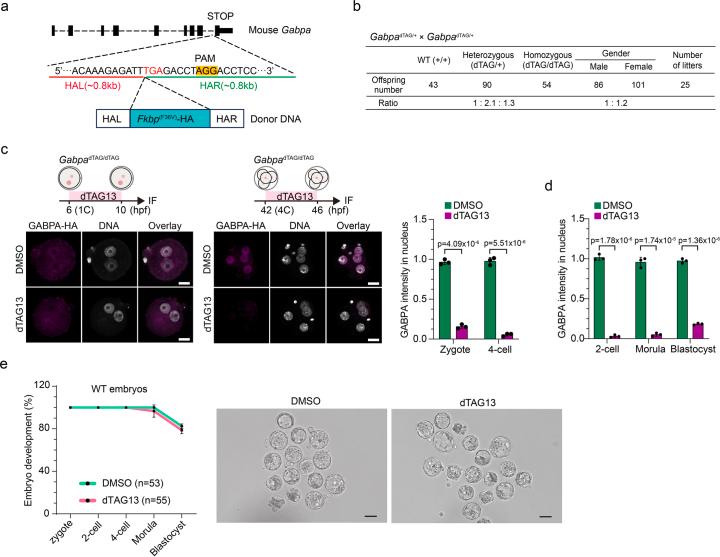
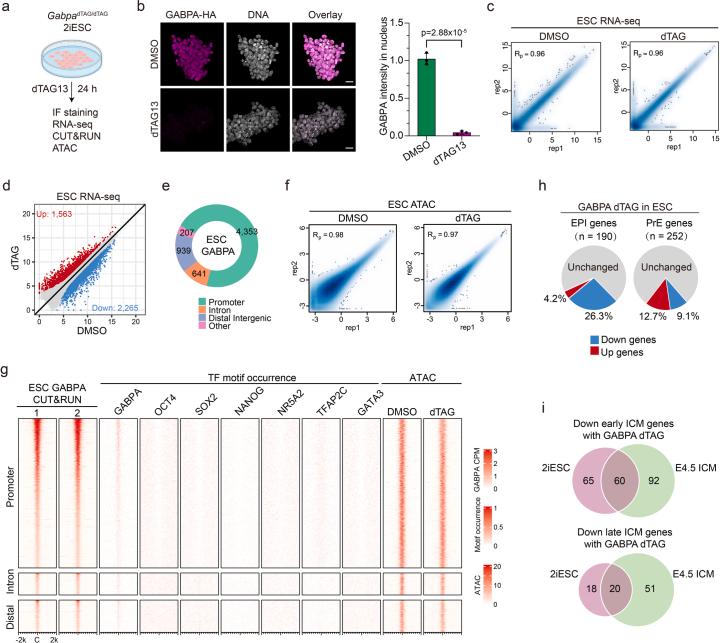
The establishment of naive pluripotency is a continuous process starting with the generation of inner cell mass (ICM) that then differentiates into epiblast (EPI). Recent studies have revealed key transcription factors (TFs) for ICM formation, but which TFs initiate EPI specification remains unknown. Here, using a targeted rapid protein degradation system, we show that GABPA is not only a regulator of major ZGA, but also a master EPI specifier required for naive pluripotency establishment by regulating 47% of EPI genes during E3.5 to E4.5 transition. Chromatin binding dynamics analysis suggests that GABPA controls EPI formation at least partly by binding to the ICM gene promoters occupied by the pluripotency regulators TFAP2C and SOX2 at E3.5 to establish naive pluripotency at E4.5. Our study not only uncovers GABPA as a master pluripotency regulator, but also supports the notion that mammalian pluripotency establishment requires a dynamic and stepwise multi-TF regulatory network.
幼稚多能性的建立是一个连续的过程,始于内细胞团(ICM)的产生,随后内细胞团分化为上胚层(EPI)。最近的研究揭示了内细胞团形成的关键转录因子(TFs),但启动上胚层特化的转录因子仍不清楚。在这里,我们使用靶向快速蛋白质降解系统表明,GABPA不仅是主要合子基因组激活(ZGA)的调节因子,而且是幼稚多能性建立所需的主要上胚层特化因子,它在E3.5至E4.5转变期间调控47%的上胚层基因。染色质结合动力学分析表明,GABPA至少部分通过结合E3.5时多能性调节因子TFAP2C和SOX2占据的内细胞团基因启动子来控制上胚层形成,从而在E4.5时建立幼稚多能性。我们的研究不仅揭示了GABPA作为主要多能性调节因子,还支持了哺乳动物多能性建立需要动态且逐步的多转录因子调节网络这一观点。





 Zotero 插件