
发展中国家高度城市化河流表层水中微塑料的特征、污染水平及生态系统风险评估
Characteristics, Contamination Levels, and Ecosystem Risk Assessment of Microplastics in Surface Water of a Highly Urbanized River from a Developing Country.
作者信息
Riya Khadijatul Kubra, Anisuzzaman Md, Samad Azad Md Abdus, Ujjaman Nur As-Ad, Banik Partho, Paray Bilal Ahamad, Arai Takaomi, Yu Jimmy, Hossain Mohammad Belal
机构信息
Department of Fisheries and Marine Science, Noakhali Science and Technology University, Noakhali 3814, Bangladesh.
Department of Applied Chemistry and Chemical Engineering, Noakhali Science and Technology University, Noakhali 3814, Bangladesh.
出版信息
ACS Omega. 2024 Dec 16;9(52):50922-50932. doi: 10.1021/acsomega.4c01528. eCollection 2024 Dec 31.
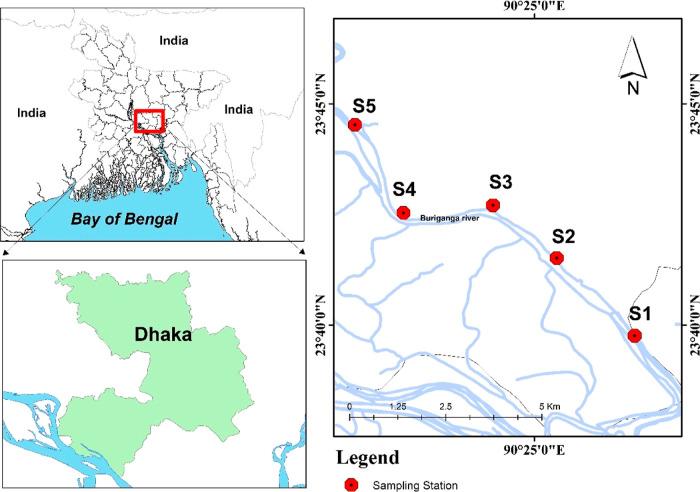
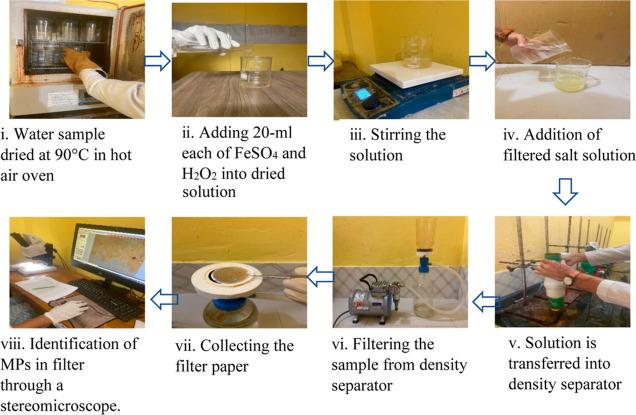
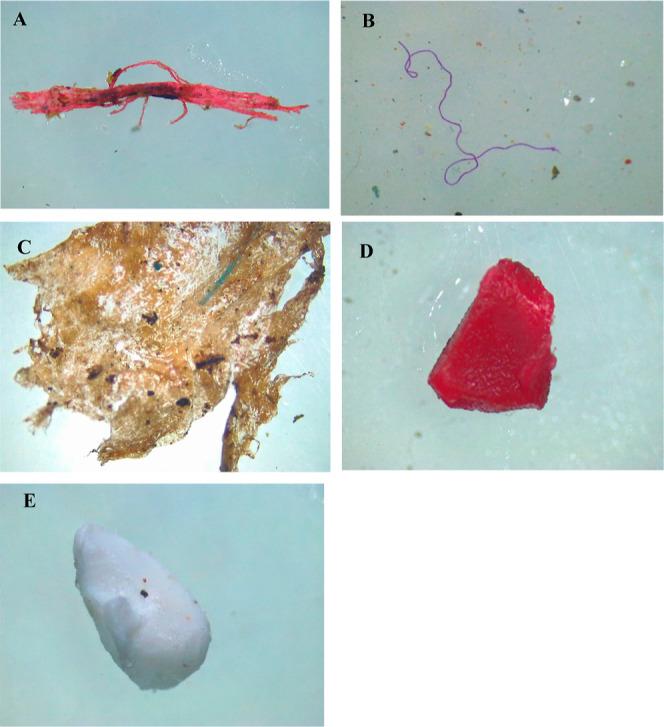
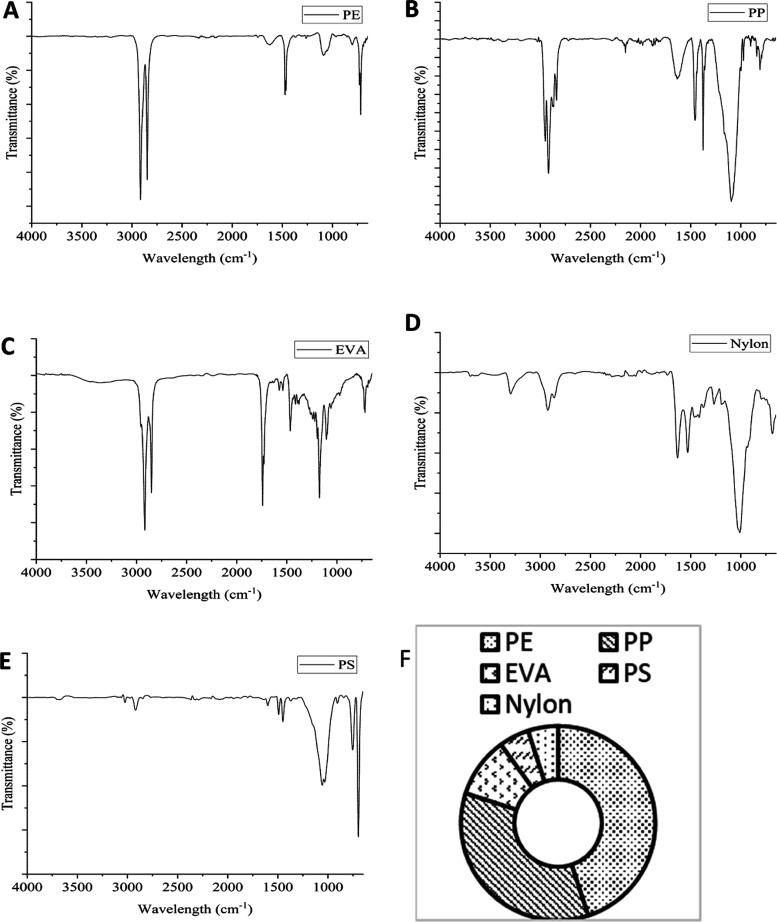
Microplastic (MP) contamination poses significant risks to ecosystems and human health. However, the absence of standardized protocols, detailed polymer identification, and sources identification hinders the development of targeted mitigation strategies, particularly in developing nations. There is a scarcity of comprehensive data on MP distribution, sources, and transport mechanisms in freshwater environments. This study aimed to fill these gaps by comprehensively characterizing MP contamination, elucidating distribution patterns, identifying sources, and assessing ecological risks in an urban river adjacent to a megacity. This was accomplished using stereomicroscopy, Fourier-transform infrared(FTIR) spectroscopy, and a range of risk assessment indices. The analyses revealed spatial variations in MP levels, ranging from 350 to 660 items/m across different sampling stations along the river. Analysis of variance(ANOVA) highlighted significant differences in the average number of MPs among the stations ( = 16.93, ≪ 0.01), with station S3 exhibiting the highest count and station S4 the lowest. Factors such as point sources of domestic and municipal waste, as well as river navigation, likely contribute to these variations. The predominant types, colors, and sizes of MPs observed were fiber, transparent, and <0.5 mm, respectively. Notably, 80% of the MPs consisted of polyethylene (PE) and polypropylene (PP), commonly associated with land-based sources like packaging materials. Despite minor ecological risks indicated by ecosystem risk assessment indices such as the risk index(RI) and pollution load index (PLI), which recorded values of 9.04 and 1.87, respectively, the potential hazard index(PHI) rose to hazard category V, posing a substantial threat to the river ecosystem. PCA facilitated the identification of trends linked to specific pollution sources, while cluster analysis categorized MPs with similar characteristics, thereby enhancing the understanding of their distribution patterns. These findings provided novel insights into the pervasive presence and pathways of plastic pollution in developing nations, offering important considerations for international efforts to address public health and environmental challenges associated with MPs.
微塑料(MP)污染对生态系统和人类健康构成重大风险。然而,缺乏标准化协议、详细的聚合物识别和来源识别阻碍了针对性缓解策略的制定,特别是在发展中国家。关于淡水环境中微塑料的分布、来源和传输机制,缺乏全面的数据。本研究旨在通过全面表征微塑料污染、阐明分布模式、识别来源以及评估一座大城市附近城市河流的生态风险来填补这些空白。这是通过立体显微镜、傅里叶变换红外(FTIR)光谱以及一系列风险评估指标来实现的。分析揭示了微塑料含量的空间变化,沿河流不同采样站每平方米的微塑料数量在350至660个之间。方差分析(ANOVA)突出了各站点微塑料平均数量的显著差异(F = 16.93,P ≪ 0.01),其中站点S3的数量最高,站点S4最低。生活和城市垃圾的点源以及河流航运等因素可能导致了这些差异。观察到的微塑料的主要类型、颜色和尺寸分别为纤维、透明和小于0.5毫米。值得注意的是,80%的微塑料由聚乙烯(PE)和聚丙烯(PP)组成,它们通常与包装材料等陆源相关。尽管生态风险评估指标如风险指数(RI)和污染负荷指数(PLI)分别记录的值为9.04和1.87,表明存在较小的生态风险,但潜在危害指数(PHI)升至V类危害,对河流生态系统构成重大威胁。主成分分析(PCA)有助于识别与特定污染源相关的趋势,而聚类分析对具有相似特征的微塑料进行分类,从而增强了对其分布模式的理解。这些发现为发展中国家塑料污染的普遍存在和途径提供了新的见解,为应对与微塑料相关的公共卫生和环境挑战的国际努力提供了重要参考。


 Zotero 插件