
葡萄免疫中的跨膜蛋白:当前认知与方法学进展
Transmembrane proteins in grape immunity: current knowledge and methodological advances.
作者信息
Gallucci Alessia, Giordano Deborah, Facchiano Angelo, Villano Clizia, Carputo Domenico, Aversano Riccardo
机构信息
Department of Agricultural Sciences, University of Naples Federico II, Portici, Italy.
Institute of Food Science, National Research Council, Avellino, Italy.
出版信息
Front Plant Sci. 2024 Dec 20;15:1515163. doi: 10.3389/fpls.2024.1515163. eCollection 2024.
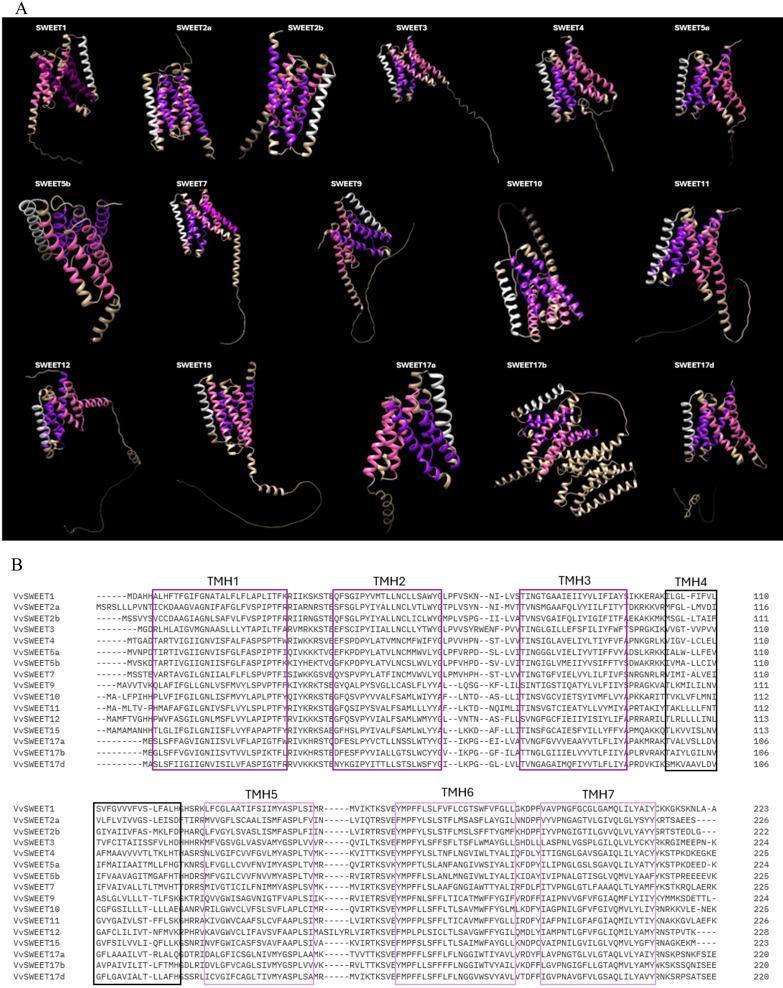
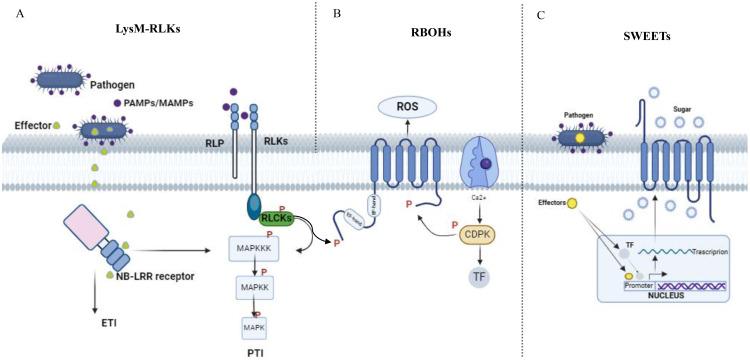
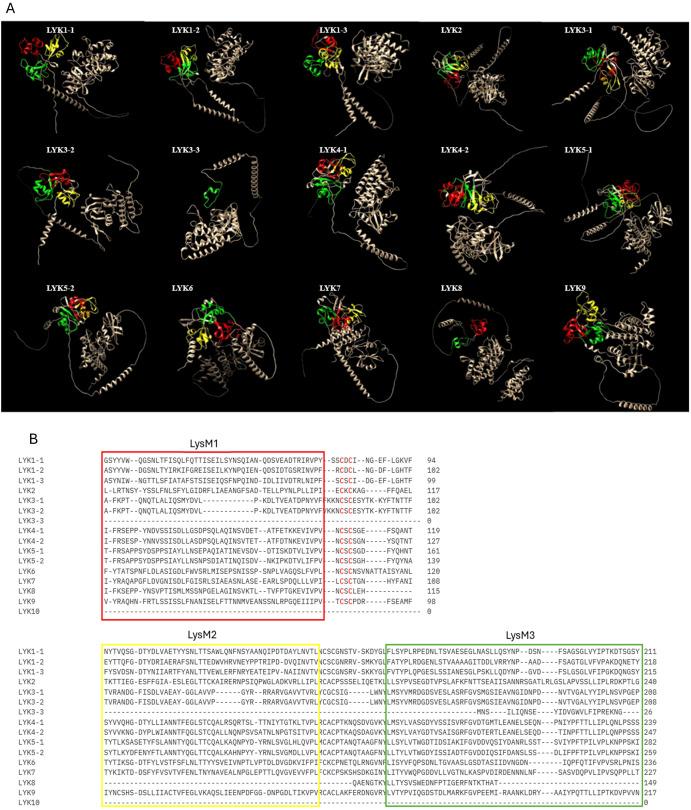
Transmembrane proteins (TMPs) are pivotal components of plant defence mechanisms, serving as essential mediators in the response to biotic stresses. These proteins are among the most complex and diverse within plant cells, making their study challenging. In spite of this, relatively few studies have focused on the investigation and characterization of TMPs in plants. This is particularly true for grapevine. This review aims to provide a comprehensive overview of TMP-encoding genes involved in grapevine immunity. These genes include Lysin Motif Receptor-Like Kinases (LysM-RLKs), which are involved in the recognition of pathogens at the apoplastic level, Plant Respiratory Burst Oxidase Homologs (Rbohs), which generate reactive oxygen species (ROS) for host defense, and Sugars Will Eventually be Exported Transporters (SWEETs), which play a role in nutrient allocation and stress responses. Furthermore, the review discusses the methodologies employed to study TMPs, including , and in silico approaches, highlighting their strengths and limitations. studies include the assessment of TMP function in whole plants or plant tissues, while experiments focus on isolating and characterizing either specific TMPs or their components. In silico analyses utilize computational tools to predict protein structure, function, and interactions. By identifying and characterizing genes encoding TMPs involved in grapevine immunity, researchers can develop strategies to enhance grapevine resilience and lead to more sustainable viticulture.
跨膜蛋白(TMPs)是植物防御机制的关键组成部分,在应对生物胁迫时充当重要的介质。这些蛋白是植物细胞中最复杂、最多样化的蛋白之一,这使得对它们的研究具有挑战性。尽管如此,相对较少的研究关注植物中TMPs的调查和表征。葡萄尤其如此。本综述旨在全面概述参与葡萄免疫的TMP编码基因。这些基因包括溶素基序类受体激酶(LysM-RLKs),其参与质外体水平的病原体识别;植物呼吸爆发氧化酶同源物(Rbohs),其产生活性氧(ROS)用于宿主防御;以及糖最终输出转运蛋白(SWEETs),其在营养分配和胁迫反应中发挥作用。此外,本综述讨论了用于研究TMPs的方法,包括 、 和计算机方法,强调了它们的优点和局限性。 研究包括评估TMP在整个植物或植物组织中的功能,而 实验则侧重于分离和表征特定的TMPs或其组分。计算机分析利用计算工具来预测蛋白质结构、功能和相互作用。通过识别和表征参与葡萄免疫的TMP编码基因,研究人员可以制定策略来增强葡萄的恢复力,并实现更可持续的葡萄栽培。

 Zotero 插件