
牙周病原体来源的细胞外囊泡在牙周炎中的致病机制及潜在应用
Pathogenic mechanisms and potential applications of extracellular vesicles from periodontal pathogens in periodontitis.
作者信息
Zhang Ruiqing, Li Guoliang, Wu Yingtao, Wang Xiaoxuan, Luan Qingxian
机构信息
Department of Periodontology, Qingdao Stomatological Hospital Affiliated to Qingdao University, Qingdao, Shandong, China.
Department of Periodontology, Peking University School and Hospital of Stomatology & National Center for Stomatology & National Clinical Research Center for Oral Diseases & National Engineering Research Center of Oral Biomaterials and Digital Medical Devices & Beijing Key Laboratory of Digital Stomatology & NHC Key Laboratory of Digital Stomatology & NMPA Key Laboratory for Dental Materials, Beijing, China.
出版信息
Front Immunol. 2024 Dec 20;15:1513983. doi: 10.3389/fimmu.2024.1513983. eCollection 2024.
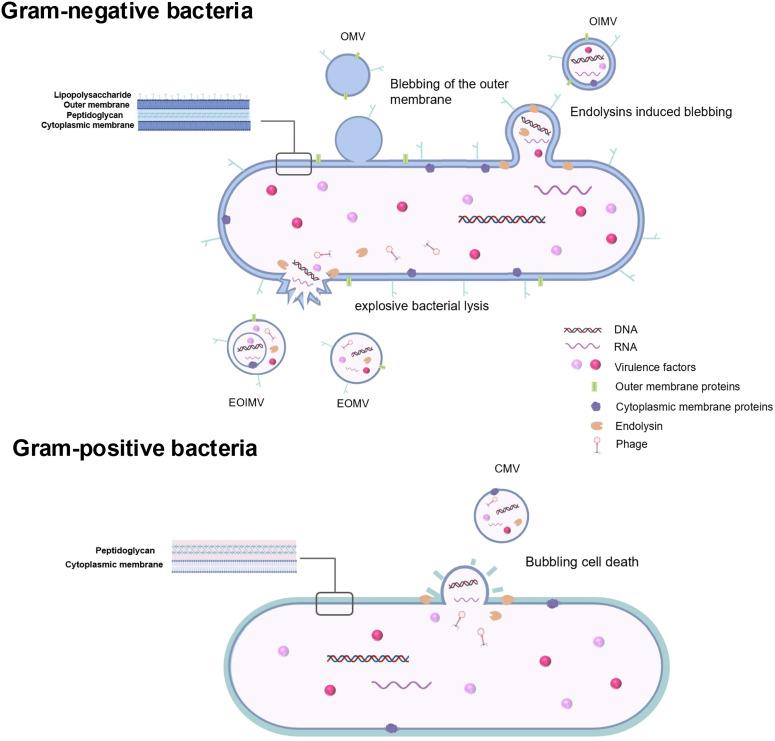
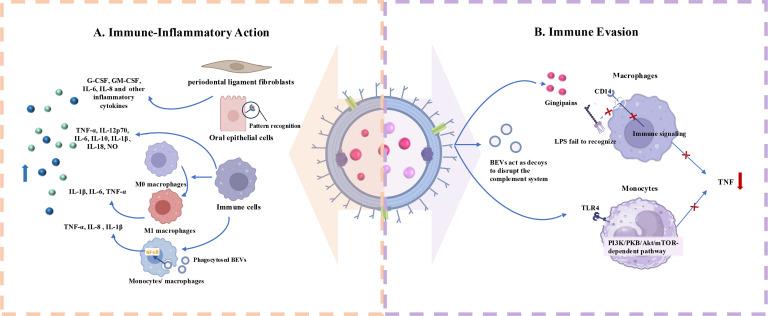
Periodontitis is a multifactorial disease characterized by chronic destruction of the periodontal supporting tissues and is closely associated with the dysbiosis of the plaque biofilm. It is the leading cause of tooth loss in adults. Bacterial extracellular vesicles (BEVs) are released from bacteria, which range in size from 20 to 400 nm. These vesicles contain various components derived from their parent bacteria, including nucleic acids, proteins, lipids, and other molecules, which facilitate functions such as molecular transfer, metabolic regulation, bacterial interactions, biofilm formation, and immune modulation. BEVs participated in the pathophysiological process of periodontitis. Recently emerging evidence also showed that the contents of EVs in saliva and gingival crevicular fluid (miRNAs, mRNAs, and proteins) could be used as potential biomarkers for periodontitis. While most current research focuses on human-derived components, much less is known about BEVs. Therefore, this review introduces the formation mechanisms and components of BEVs related to periodontitis. Then, this review summarizes the current information about the mechanism, the diagnostic and theraputic value of periodontal pathogen-derived extracellular vesicles in the development of periodontitis. Furthermore, the future challenges of exploring the role of BEVs in periodontitis are also discussed.
牙周炎是一种多因素疾病,其特征为牙周支持组织的慢性破坏,且与菌斑生物膜的生态失调密切相关。它是成年人牙齿缺失的主要原因。细菌细胞外囊泡(BEVs)由细菌释放,大小在20到400纳米之间。这些囊泡包含源自其亲本细菌的各种成分,包括核酸、蛋白质、脂质和其他分子,这些成分有助于分子转移、代谢调节、细菌相互作用、生物膜形成和免疫调节等功能。BEVs参与了牙周炎的病理生理过程。最近出现的证据还表明,唾液和龈沟液中的细胞外囊泡成分(微小RNA、信使RNA和蛋白质)可用作牙周炎的潜在生物标志物。虽然目前大多数研究集中在人类来源的成分上,但对BEVs的了解要少得多。因此,本综述介绍了与牙周炎相关的BEVs的形成机制和成分。然后,本综述总结了目前关于牙周病原体来源的细胞外囊泡在牙周炎发展中的作用机制、诊断和治疗价值的信息。此外,还讨论了探索BEVs在牙周炎中作用的未来挑战。


 Zotero 插件