
G9a:神经退行性疾病的一种表观遗传治疗策略——从靶点发现到临床试验
G9a an Epigenetic Therapeutic Strategy for Neurodegenerative Conditions: From Target Discovery to Clinical Trials.
作者信息
Bellver-Sanchis Aina, Ribalta-Vilella Marta, Irisarri Alba, Gehlot Pinky, Choudhary Bhanwar Singh, Jana Abhisek, Vyas Vivek Kumar, Banerjee Deb Ranjan, Pallàs Mercè, Guerrero Ana, Griñán-Ferré Christian
机构信息
Department of Pharmacology and Therapeutic Chemistry, Institut de Neurociències-Universitat de Barcelona, Barcelona, Spain.
Department of Pharmaceutical Chemistry, Institute of Pharmacy, Nirma University, Ahmedabad, India.
出版信息
Med Res Rev. 2025 May;45(3):985-1015. doi: 10.1002/med.22096. Epub 2025 Jan 6.
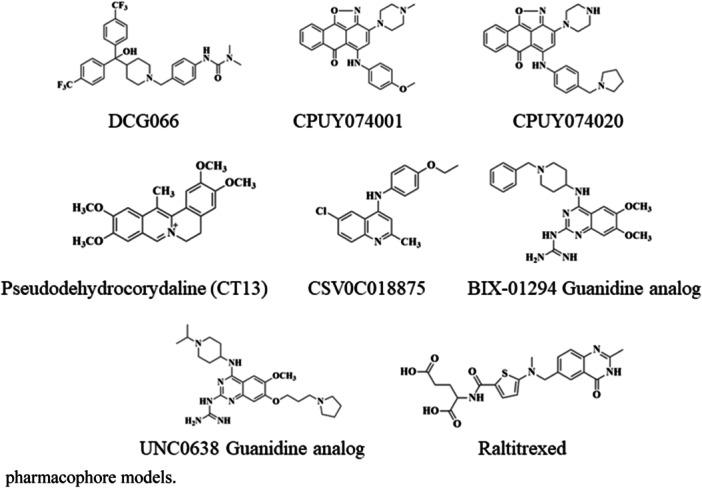
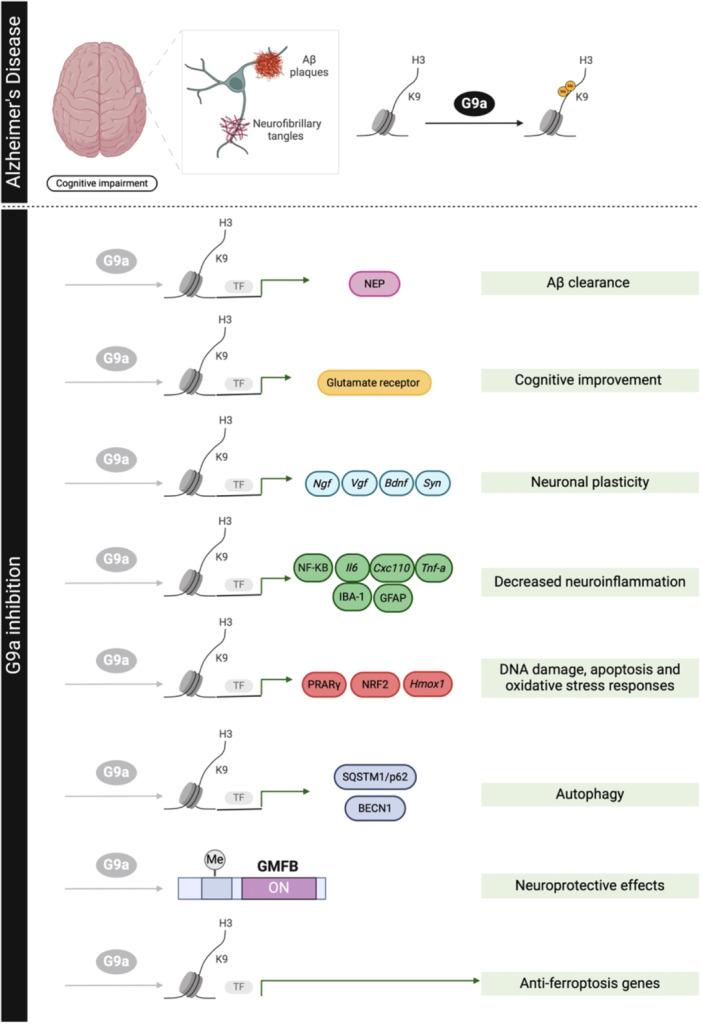
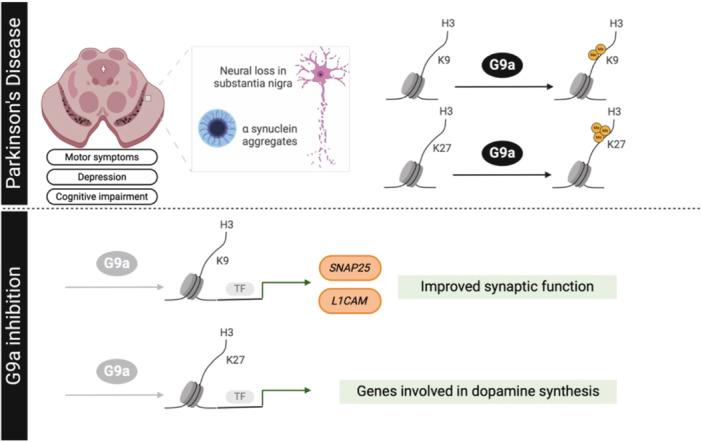
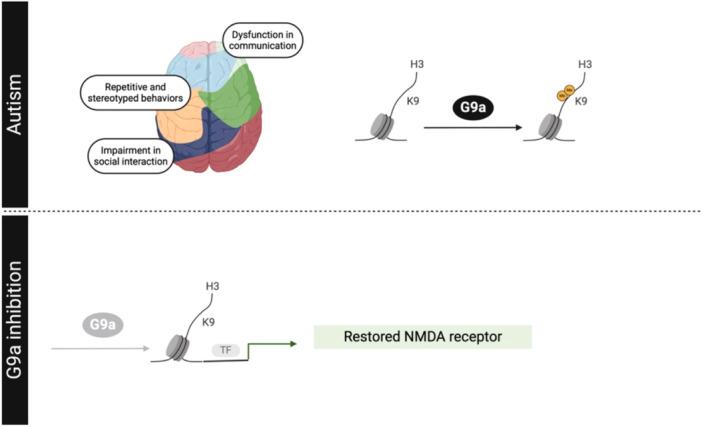
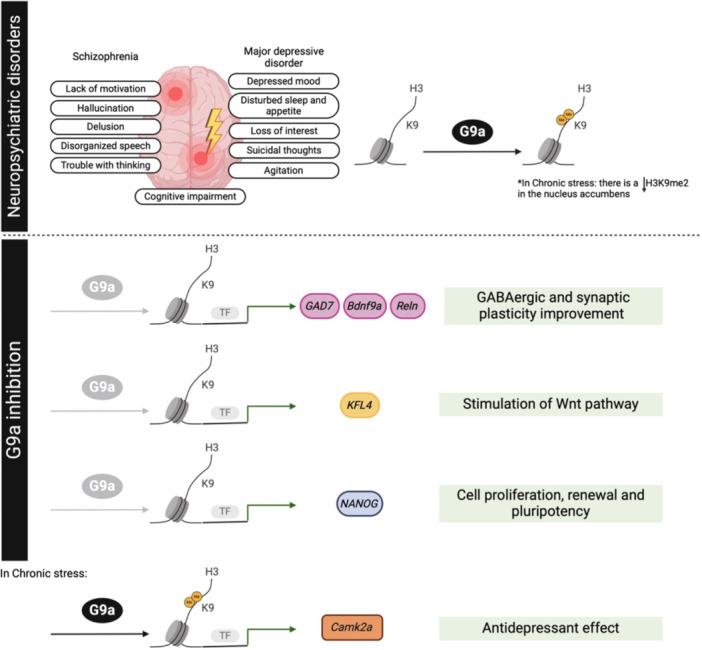
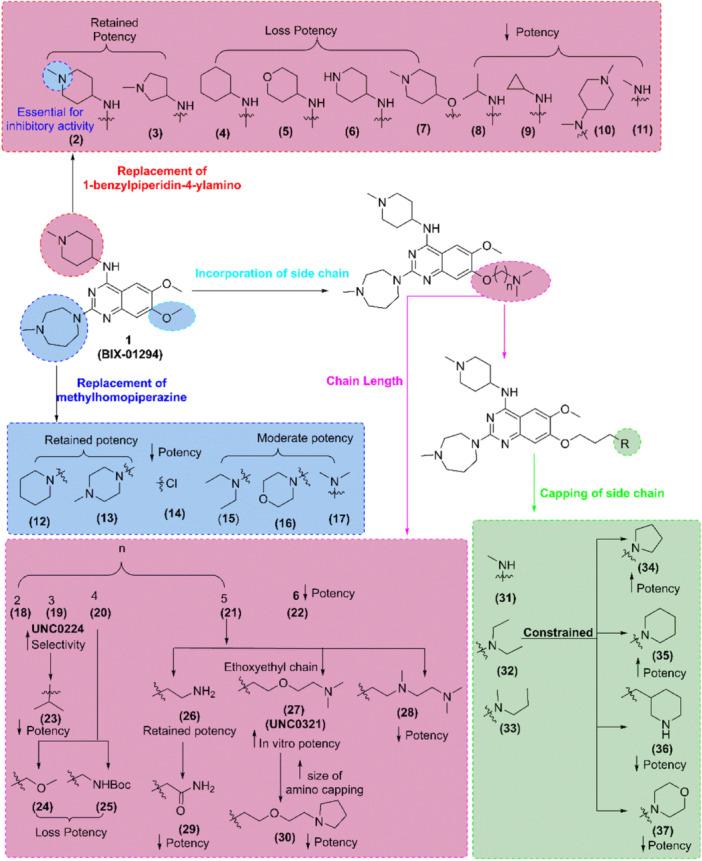
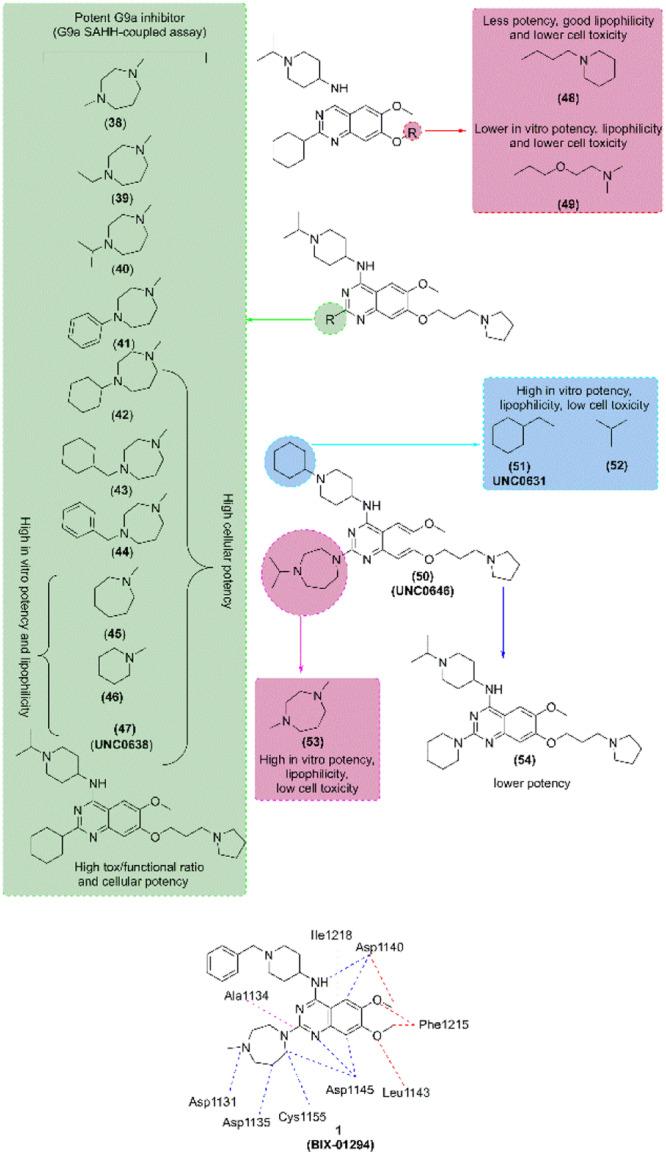
This review provides a comprehensive overview of the role of G9a/EHMT2, focusing on its structure and exploring the impact of its pharmacological and/or gene inhibition in various neurological diseases. In addition, we delve into the advancements in the design and synthesis of G9a/EHMT2 inhibitors, which hold promise not only as a treatment for neurodegeneration diseases but also for other conditions, such as cancer and malaria. Besides, we presented the discovery of dual therapeutic approaches based on G9a inhibition and different epigenetic enzymes like histone deacetylases, DNA methyltransferases, and other lysine methyltransferases. Hence, findings offer valuable insights into developing novel and promising therapeutic strategies targeting G9a/EHMT2 for managing these neurological conditions.
本综述全面概述了G9a/EHMT2的作用,重点介绍其结构,并探讨其药理学抑制和/或基因抑制在各种神经疾病中的影响。此外,我们深入研究了G9a/EHMT2抑制剂设计与合成方面的进展,这些抑制剂不仅有望用于治疗神经退行性疾病,还可用于其他病症,如癌症和疟疾。此外,我们还介绍了基于G9a抑制以及与其他表观遗传酶(如组蛋白脱乙酰酶、DNA甲基转移酶和其他赖氨酸甲基转移酶)的双重治疗方法的发现。因此,这些研究结果为开发针对G9a/EHMT2的新型且有前景的治疗策略以管理这些神经疾病提供了有价值的见解。


 Zotero 插件