
Exell介导的银纳米颗粒的绿色合成及其抗菌性能评估
Green Synthesis of Exell-Mediated Silver Nanoparticles and Evaluation of Antibacterial Performance.
作者信息
Alwis W Hansi S, Murthy Vinuthaa, Wang Hao, Khandanlou Roshanak, Mandal Pappu Kumar
机构信息
Faculty of Science and Technology, Charles Darwin University, Darwin, NT 0810, Australia.
Menzies School of Health Research, Darwin, NT 0810, Australia.
出版信息
Biomolecules. 2024 Nov 27;14(12):1516. doi: 10.3390/biom14121516.
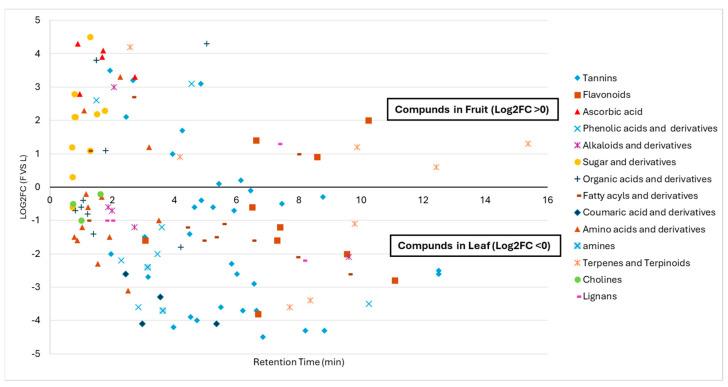
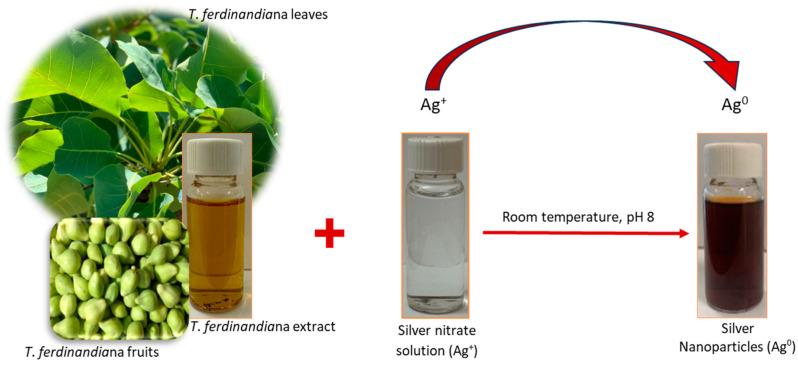
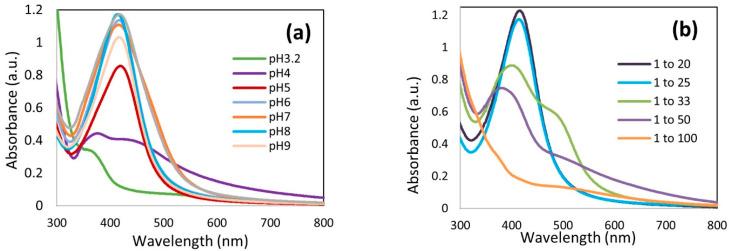
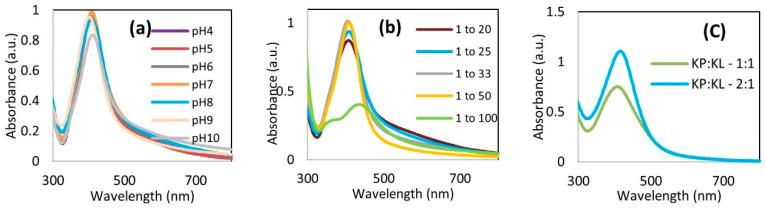
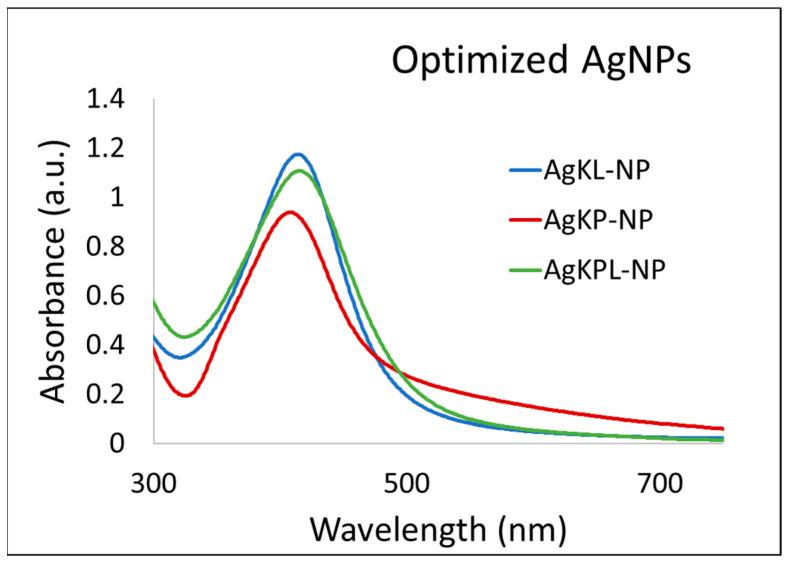
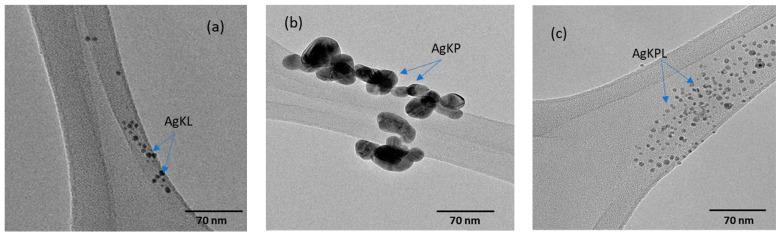
This study uses a novel method in which extracts from different parts of a single plant are used to synthesize well-defined silver nanoparticles (AgNPs) to address the lack of capping agents in certain plant extracts. We focused on synthesizing AgNPs with enhanced biomedical activity using aqueous leaves and fruit extracts of Exell, a plant native to northern Australia that is known for its high phenolic content and associated health benefits. The impact of using parameters such as the Ag ion-to-extract ratio and pH on AgNP synthesis was examined. The formation of AgNPs was confirmed using UV-visible spectrophotometry, transmission electron microscopy, and dynamic light scattering. The AgNPs synthesized at a pH of 8 and 1:25 Ag/extract ratio exhibited the lowest particle size and polydispersity index. The AgNPs synthesized with leaf extract (AgKL) were monodisperse and exhibited a smaller hydrodynamic diameter (37 nm) compared to the fruit extract nanoparticles (AgKP), which were polydisperse and larger (147 nm). Phytochemicals in aqueous leaf extract act as effective capping and stabilizing agents, enabling the synthesis of small-sized and homogenous AgNPs, which the fruit extract alone could not achieve. The in vitro bioactivity was evaluated using antioxidant and antibacterial assays and compared with the crude extract. Both the AgNPs and extracts demonstrated strong 2,2 diphenyl-1-picrylhydrazyl radical scavenging activity. However, only AgKL showed excellent antibacterial activity against Gram-negative and Gram-positive bacteria based on minimum inhibitory and bactericidal results. Mixing 50% leaf extract with fruit extract resulted in well-stabilized NPs (AgKPL) with a hydrodynamic diameter of 33.4 nm and superior antibacterial properties. These results indicate that AgKL and AgKPL have significant potential for pharmaceutical and biomedical applications.
本研究采用了一种新颖的方法,即利用单一植物不同部位的提取物来合成明确的银纳米颗粒(AgNP),以解决某些植物提取物中缺乏封端剂的问题。我们专注于使用澳大利亚北部本土植物Exell的水提叶和果实提取物合成具有增强生物医学活性的AgNP,该植物以其高酚含量和相关的健康益处而闻名。研究了银离子与提取物的比例和pH值等参数对AgNP合成的影响。使用紫外可见分光光度法、透射电子显微镜和动态光散射确认了AgNP的形成。在pH值为8和银/提取物比例为1:25时合成的AgNP表现出最低的粒径和多分散指数。与果实提取物纳米颗粒(AgKP)相比,用叶提取物合成的AgNP(AgKL)是单分散的,并且表现出较小的流体动力学直径(37nm),而果实提取物纳米颗粒是多分散的且较大(147nm)。水提叶提取物中的植物化学物质可作为有效的封端和稳定剂,能够合成单独果实提取物无法实现的小尺寸且均匀的AgNP。使用抗氧化和抗菌试验评估了体外生物活性,并与粗提取物进行了比较。AgNP和提取物均表现出较强的2,2-二苯基-1-苦基肼自由基清除活性。然而,基于最低抑菌和杀菌结果,只有AgKL对革兰氏阴性菌和革兰氏阳性菌表现出优异的抗菌活性。将50%的叶提取物与果实提取物混合得到了稳定的纳米颗粒(AgKPL),其流体动力学直径为33.4nm,具有优异的抗菌性能。这些结果表明,AgKL和AgKPL在制药和生物医学应用中具有巨大潜力。


 Zotero 插件