
从传统到创新:抗击传染病的多种分子技术
From Tradition to Innovation: Diverse Molecular Techniques in the Fight Against Infectious Diseases.
作者信息
Alsharksi Ahmed Nouri, Sirekbasan Serhat, Gürkök-Tan Tuğba, Mustapha Adam
机构信息
Department of Microbiology, Faculty of Medicine, Misurata University, Misrata 93FH+66F, Libya.
Department of Medical Laboratory Techniques, Şabanözü Vocational School, Çankırı Karatekin University, Çankırı 18650, Turkey.
出版信息
Diagnostics (Basel). 2024 Dec 21;14(24):2876. doi: 10.3390/diagnostics14242876.
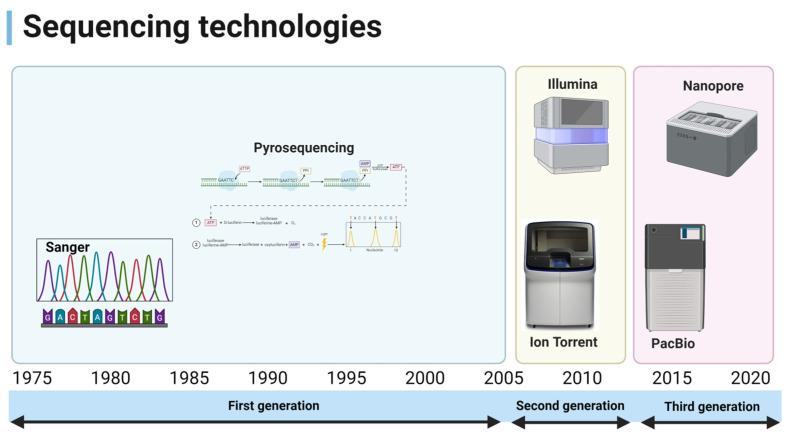
Infectious diseases impose a significant burden on global health systems due to high morbidity and mortality rates. According to the World Health Organization, millions die from infectious diseases annually, often due to delays in accurate diagnosis. Traditional diagnostic methods in clinical microbiology, primarily culture-based techniques, are time-consuming and may fail with hard-to-culture pathogens. Molecular biology advancements, notably the polymerase chain reaction (PCR), have revolutionized infectious disease diagnostics by allowing rapid and sensitive detection of pathogens' genetic material. PCR has become the gold standard for many infections, particularly highlighted during the COVID-19 pandemic. Following PCR, next-generation sequencing (NGS) has emerged, enabling comprehensive genomic analysis of pathogens, thus facilitating the detection of new strains and antibiotic resistance tracking. Innovative approaches like CRISPR technology are also enhancing diagnostic precision by identifying specific DNA/RNA sequences. However, the implementation of these methods faces challenges, particularly in low- and middle-income countries due to infrastructural and financial constraints. This review will explore the role of molecular diagnostic methods in infectious disease diagnosis, comparing their advantages and limitations, with a focus on PCR and NGS technologies and their future potential.
由于发病率和死亡率较高,传染病给全球卫生系统带来了沉重负担。据世界卫生组织称,每年有数百万人死于传染病,这往往是由于准确诊断的延误所致。临床微生物学中的传统诊断方法,主要是基于培养的技术,既耗时,对于难以培养的病原体也可能失效。分子生物学的进步,尤其是聚合酶链反应(PCR),通过能够快速、灵敏地检测病原体的遗传物质,彻底改变了传染病的诊断方式。PCR已成为许多感染诊断的金标准,在2019冠状病毒病大流行期间尤为凸显。继PCR之后,新一代测序(NGS)应运而生,能够对病原体进行全面的基因组分析,从而有助于检测新菌株和追踪抗生素耐药性。像CRISPR技术这样的创新方法也在通过识别特定的DNA/RNA序列提高诊断精度。然而,这些方法的实施面临挑战,特别是在低收入和中等收入国家,因为存在基础设施和资金方面的限制。本综述将探讨分子诊断方法在传染病诊断中的作用,比较它们的优缺点,重点关注PCR和NGS技术及其未来潜力。

 Zotero 插件