
聚苯乙烯微塑料在生理和转录组水平上诱导莱茵衣藻光合作用受损。
Polystyrene Microplastics Induce Photosynthetic Impairment in sp. at Physiological and Transcriptomic Levels.
作者信息
Li Xi, Wang Zunyan, Chen Yiyong, Li Qi
机构信息
College of Urban and Environmental Sciences, Northwest University, Xi'an 710127, China.
Shaanxi Key Laboratory of Earth Surface System and Environmental Carrying Capacity, Xi'an 710127, China.
出版信息
Int J Mol Sci. 2024 Dec 27;26(1):148. doi: 10.3390/ijms26010148.
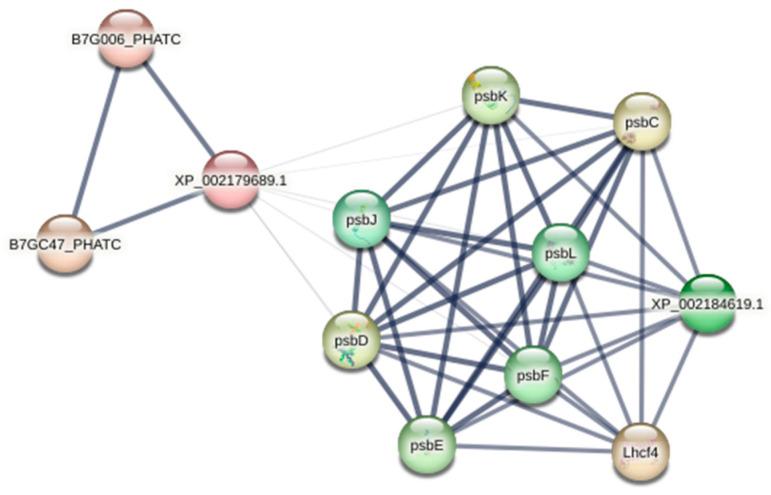
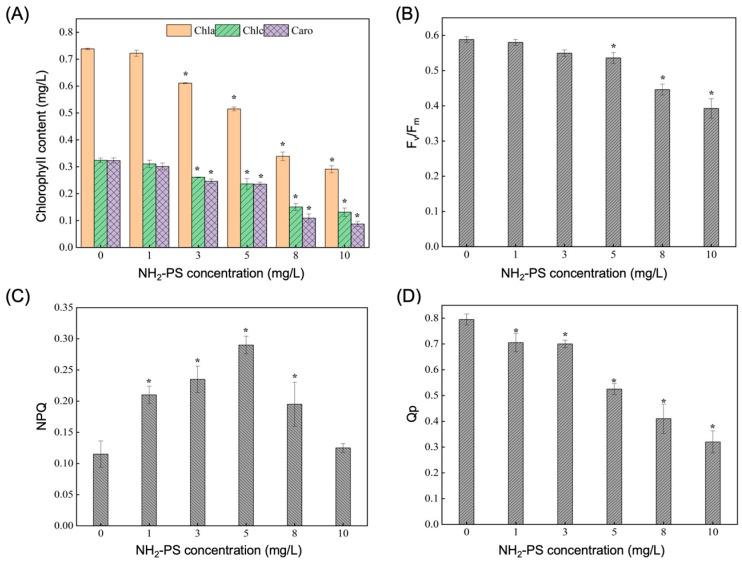
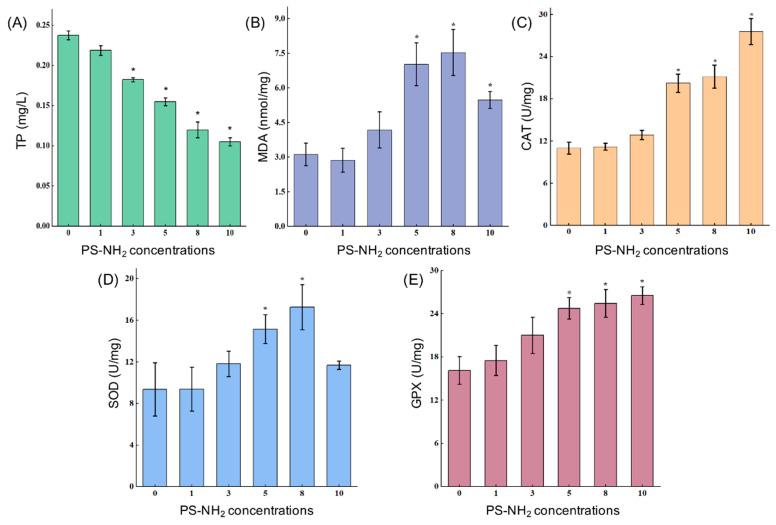
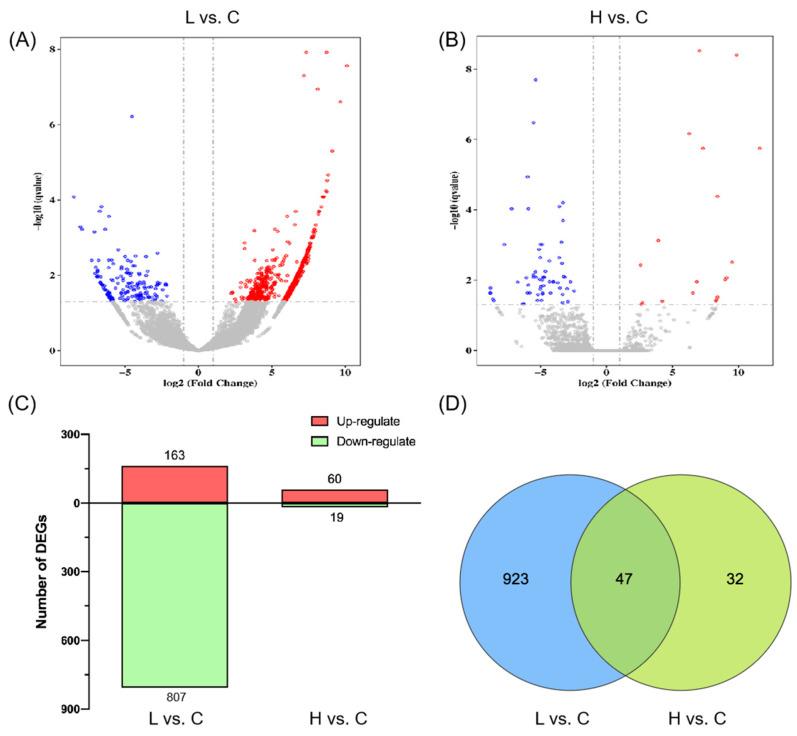
The rising concentration of microplastics (MPs) in aquatic environments poses increasing ecological risks, yet their impacts on biological communities remain largely unrevealed. This study investigated how aminopolystyrene microplastics (PS-NH) affect physiology and gene expression using the freshwater alga sp. as the test species. After exposing sp. to high PS-NH concentrations for 24 h, growth was inhibited, with the most significant effect seen after 48 h. Increasing PS-NH concentrations reduced chlorophyll content, maximum photochemical quantum yield (Fv/Fm), and the photochemical quenching coefficient (Qp), while the non-photochemical quenching coefficient (NPQ) increased, indicating a substantial impact on photosynthesis. PS-NH exposure, damaged cell membrane microstructures, activated antioxidant enzymes, and significantly increased malondialdehyde (MDA), glutathione peroxidase (GPX), and superoxide dismutase (SOD) activities. Transcriptomic analysis revealed that PS-NH also affected the gene expression of sp. The differentially expressed genes (DEGs) are mainly related to porphyrin and chlorophyll metabolism, carbon fixation in photosynthesis, endocytosis, and glycolysis/gluconeogenesis. Protein-protein interaction (PPI) analysis revealed significant interactions among DEGs, particularly within photosystem II. These findings shed insights into the toxic mechanisms and environmental implications of microplastic interactions with phytoplankton, deepening our understanding of the potential adverse effects of microplastics in aquatic ecosystems.
水生环境中微塑料(MPs)浓度的不断上升带来了日益增加的生态风险,然而它们对生物群落的影响在很大程度上仍未被揭示。本研究以淡水藻类 种为受试物种,调查了氨基聚苯乙烯微塑料(PS-NH)如何影响其生理和基因表达。在将 种暴露于高浓度PS-NH 24小时后,生长受到抑制,48小时后效果最为显著。PS-NH浓度的增加降低了叶绿素含量、最大光化学量子产率(Fv/Fm)和光化学猝灭系数(Qp),而非光化学猝灭系数(NPQ)增加,表明对光合作用有重大影响。PS-NH暴露破坏了细胞膜微观结构,激活了抗氧化酶,并显著增加了丙二醛(MDA)、谷胱甘肽过氧化物酶(GPX)和超氧化物歧化酶(SOD)的活性。转录组分析表明,PS-NH也影响了 种的基因表达。差异表达基因(DEGs)主要与卟啉和叶绿素代谢、光合作用中的碳固定、胞吞作用以及糖酵解/糖异生作用有关。蛋白质-蛋白质相互作用(PPI)分析揭示了DEGs之间存在显著相互作用,特别是在光系统II内。这些发现为微塑料与浮游植物相互作用的毒性机制和环境影响提供了见解,加深了我们对微塑料在水生生态系统中潜在不利影响的理解。


 Zotero 插件