
梅花鹿鹿茸蛋白通过微生物-肠道-脑轴对阿尔茨海默病小鼠模型的改善作用
the Improvement Effects of Sika Deer Antler Protein in an Alzheimer's Disease Mouse Model via the Microbe-Gut-Brain Axis.
作者信息
Li Lei, Wang Lulu, Ding Weixing, Wu Jianfa, Liu Fei, Liu Jiansong, Zhang Jing, Wang Jing
机构信息
College of Traditional Chinese Medicinal Material Jilin Agricultural University Changchun China.
School of Medicine Changchun Sci-Tech University Changchun China.
出版信息
Food Sci Nutr. 2024 Dec 30;13(1):e4656. doi: 10.1002/fsn3.4656. eCollection 2025 Jan.
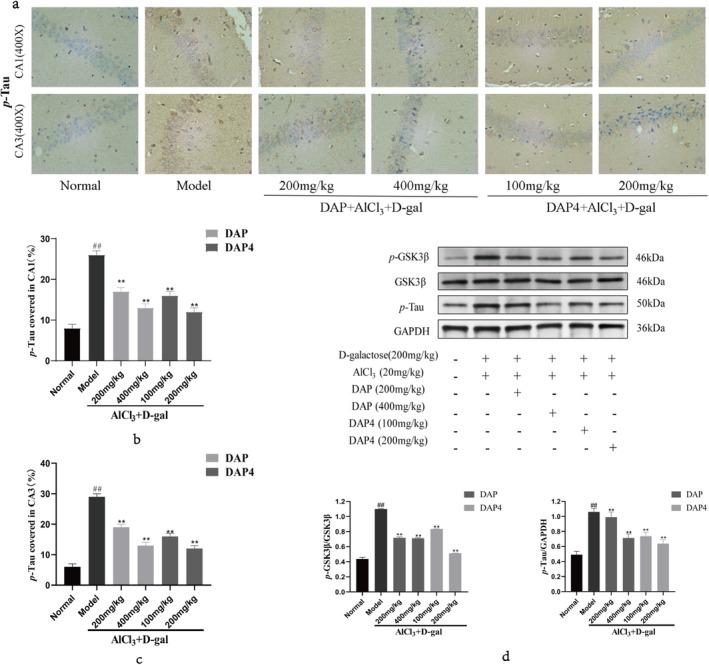
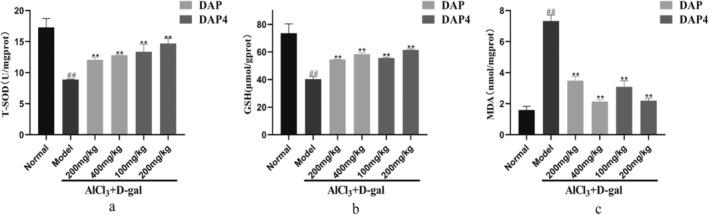
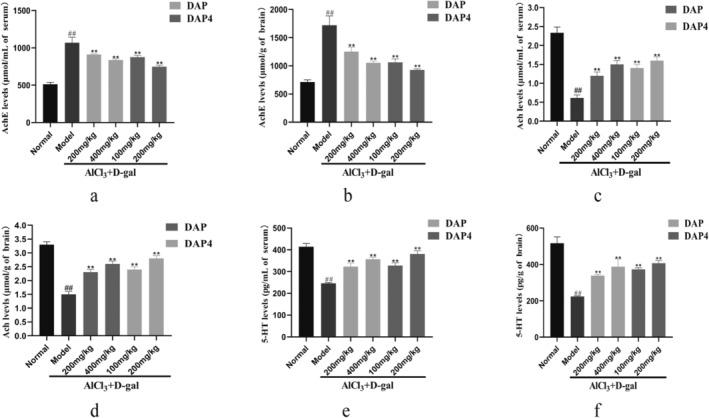
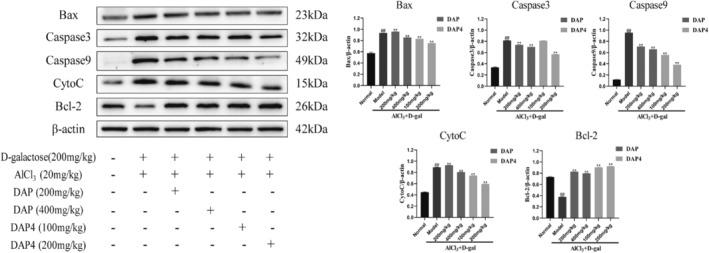
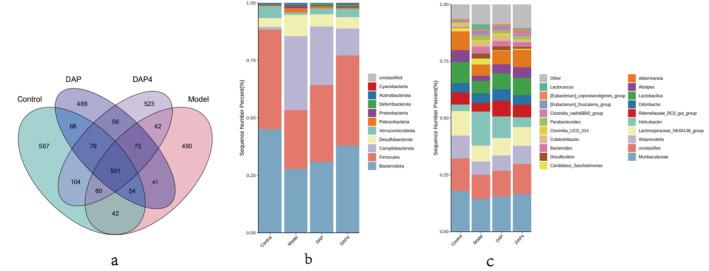
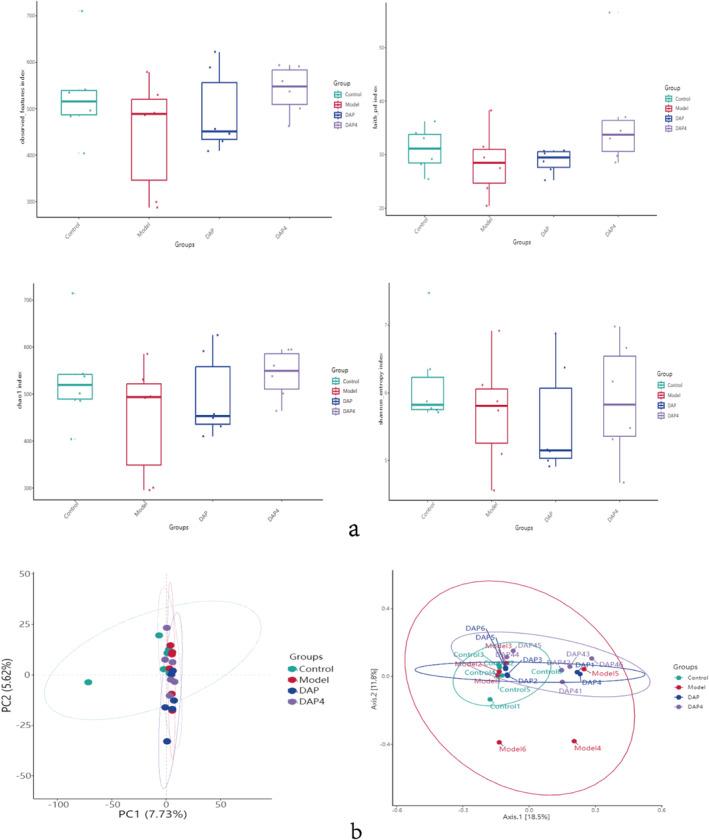
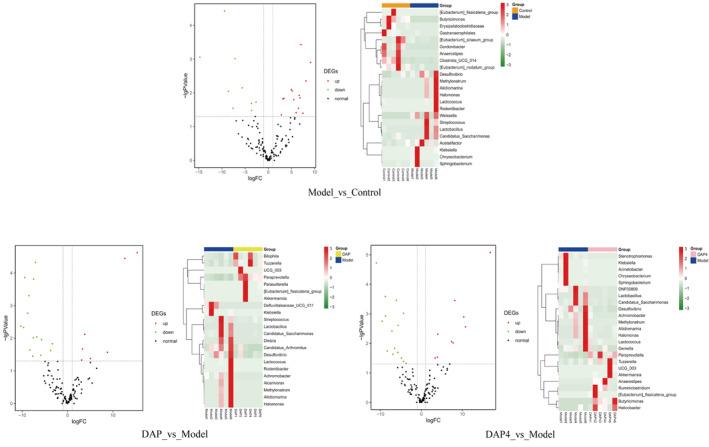
Alzheimer's disease (AD) is a neurodegenerative disorder of the central nervous system. The interplay between the intestinal microbiota and metabolites is believed to influence brain function and the pathogenesis of neurodegenerative conditions through the microbe-gut-brain axis. Sika deer antler protein possesses neuroprotective properties; however, the precise mechanism by which it improves AD remains unclear. Sika deer antler protein ameliorated AD in vivo by activating the phosphatidylinositol 3-kinase (PI3K)/protein kinase B (AKT)/nuclear factor erythroid 2-related factor 2 (Nrf2) signaling pathway. The metabolome of brain and intestinal tissues and the microbiota of intestinal contents were tested and analyzed according to the microbe-gut-brain theory. Sika deer antler protein increased beneficial bacterial levels and decreased harmful bacterial levels. Correlation analyses using the gut flora-metabolomics pathway ultimately revealed that sika deer antler protein modulated the brain and intestinal tract bi-directionally via the tyrosine metabolism pathway, thereby establishing a connection within the microbe-gut-brain axis. Kyoto Encyclopedia of Genes and Genomes (KEGG) analysis of the differential metabolite targets of the DAP4 group showed that the enriched pathways mainly included PI3K/AKT, which was consistent with the findings of the pharmacodynamic mechanisms observed in in vivo experiments. This suggests that antler protein may be involved in microbe-gut-brain interactions through tyrosine metabolism and may improve AD by activating the PI3K/AKT/Nrf2 signaling pathway. These findings add to our understanding of the microbe-gut-brain axis facilitated by sika deer antler protein and offer novel insights for further research on sika deer antler protein in alleviating AD.
阿尔茨海默病(AD)是一种中枢神经系统的神经退行性疾病。肠道微生物群与代谢产物之间的相互作用被认为通过微生物-肠道-脑轴影响脑功能和神经退行性疾病的发病机制。梅花鹿鹿茸蛋白具有神经保护特性;然而,其改善AD的确切机制仍不清楚。梅花鹿鹿茸蛋白通过激活磷脂酰肌醇3激酶(PI3K)/蛋白激酶B(AKT)/核因子红细胞2相关因子2(Nrf2)信号通路在体内改善了AD。根据微生物-肠道-脑理论,对脑和肠道组织的代谢组以及肠道内容物的微生物群进行了检测和分析。梅花鹿鹿茸蛋白增加了有益菌水平,降低了有害菌水平。利用肠道菌群-代谢组学途径进行的相关性分析最终表明,梅花鹿鹿茸蛋白通过酪氨酸代谢途径双向调节大脑和肠道,从而在微生物-肠道-脑轴内建立了联系。对DAP4组差异代谢物靶点的京都基因与基因组百科全书(KEGG)分析表明,富集的途径主要包括PI3K/AKT,这与体内实验中观察到的药效学机制结果一致。这表明鹿茸蛋白可能通过酪氨酸代谢参与微生物-肠道-脑相互作用,并可能通过激活PI3K/AKT/Nrf2信号通路改善AD。这些发现加深了我们对梅花鹿鹿茸蛋白促进的微生物-肠道-脑轴的理解,并为进一步研究梅花鹿鹿茸蛋白在缓解AD方面提供了新的见解。





 Zotero 插件