
褪黑素通过调节生理机制、抗氧化酶和叶片结构变化来诱导番茄对干旱胁迫的耐受性。 (注:原文中“L.”指代不明,推测为某种植物如番茄“Lycopersicon esculentum” ,这里按番茄翻译,具体需根据实际指代确定)
Melatonin induces drought stress tolerance by regulating the physiological mechanisms, antioxidant enzymes, and leaf structural modifications in L.
作者信息
Ahsan Muhammad, Younis Adnan, Jamal Aftab, Alshaharni Mohammed O, Algopishi Uthman Balgith, Al-Andal Abeer, Sajid Mateen, Naeem Muhammad, Khan Jawad Ahmad, Radicetti Emanuele, Valipour Mohammad, Akhtar Gulzar
机构信息
Department of Horticultural Sciences, The Islamia University of Bahawalpur, Bahawalpur, 63100, Pakistan.
Institute of Horticultural Sciences, University of Agriculture, Faisalabad, 38040, Pakistan.
出版信息
Heliyon. 2024 Dec 17;11(1):e41236. doi: 10.1016/j.heliyon.2024.e41236. eCollection 2025 Jan 15.
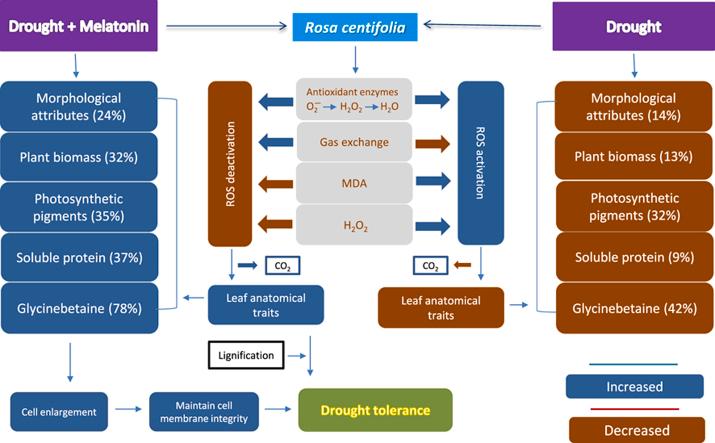
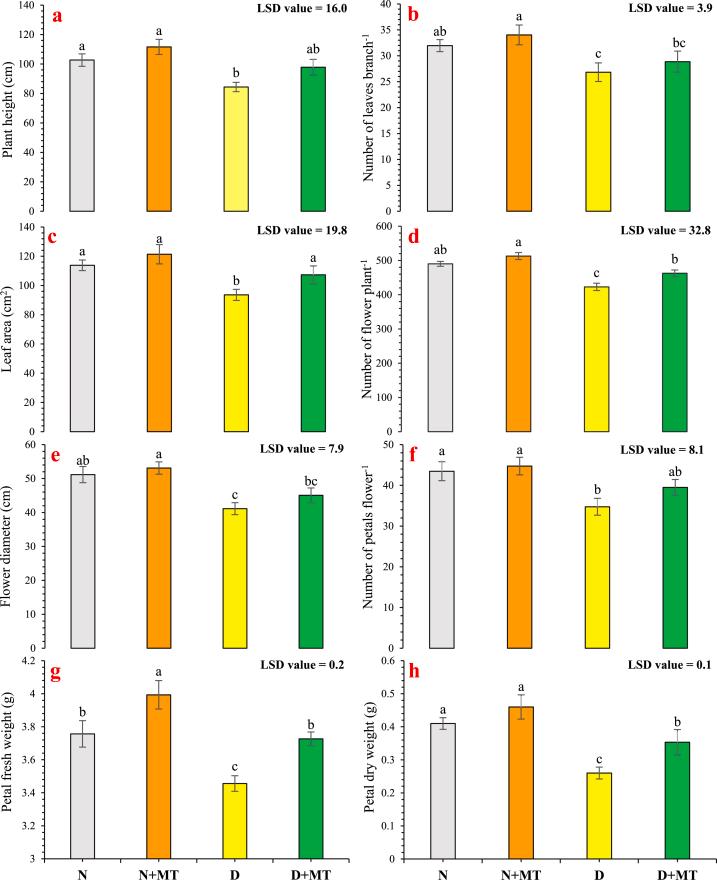
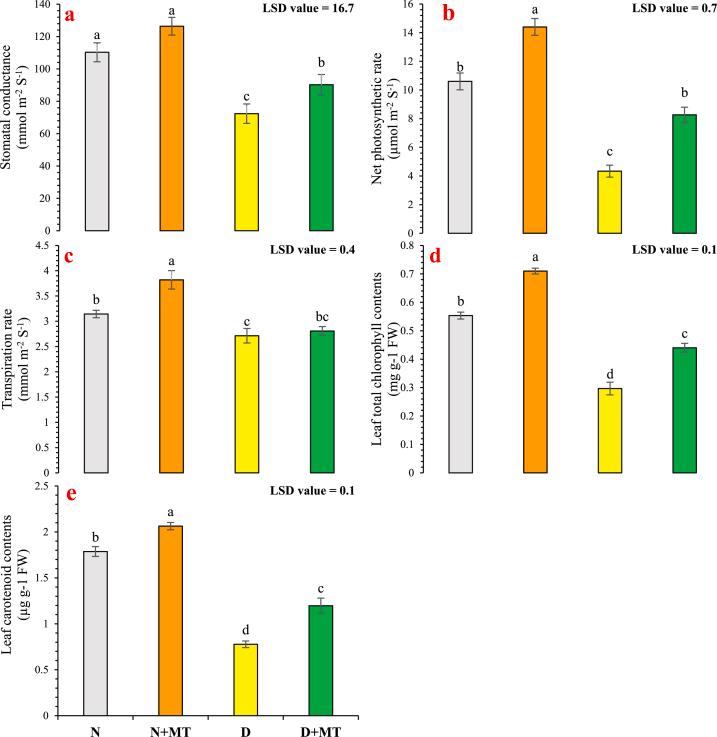
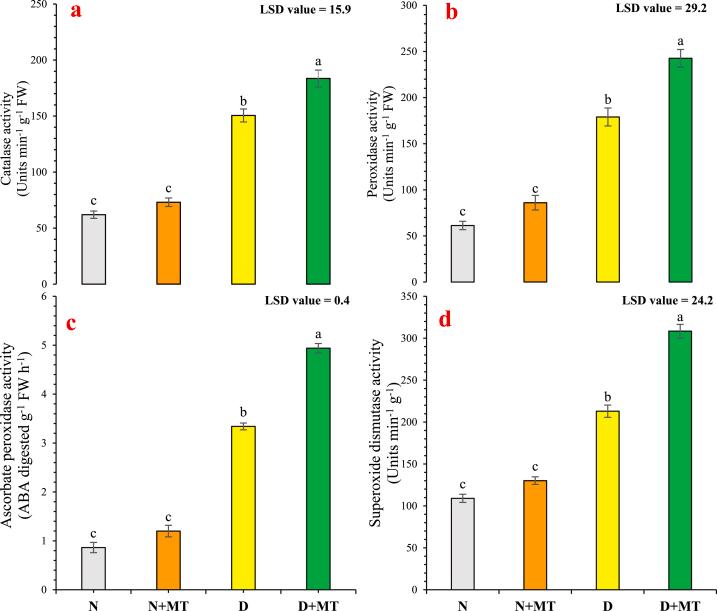
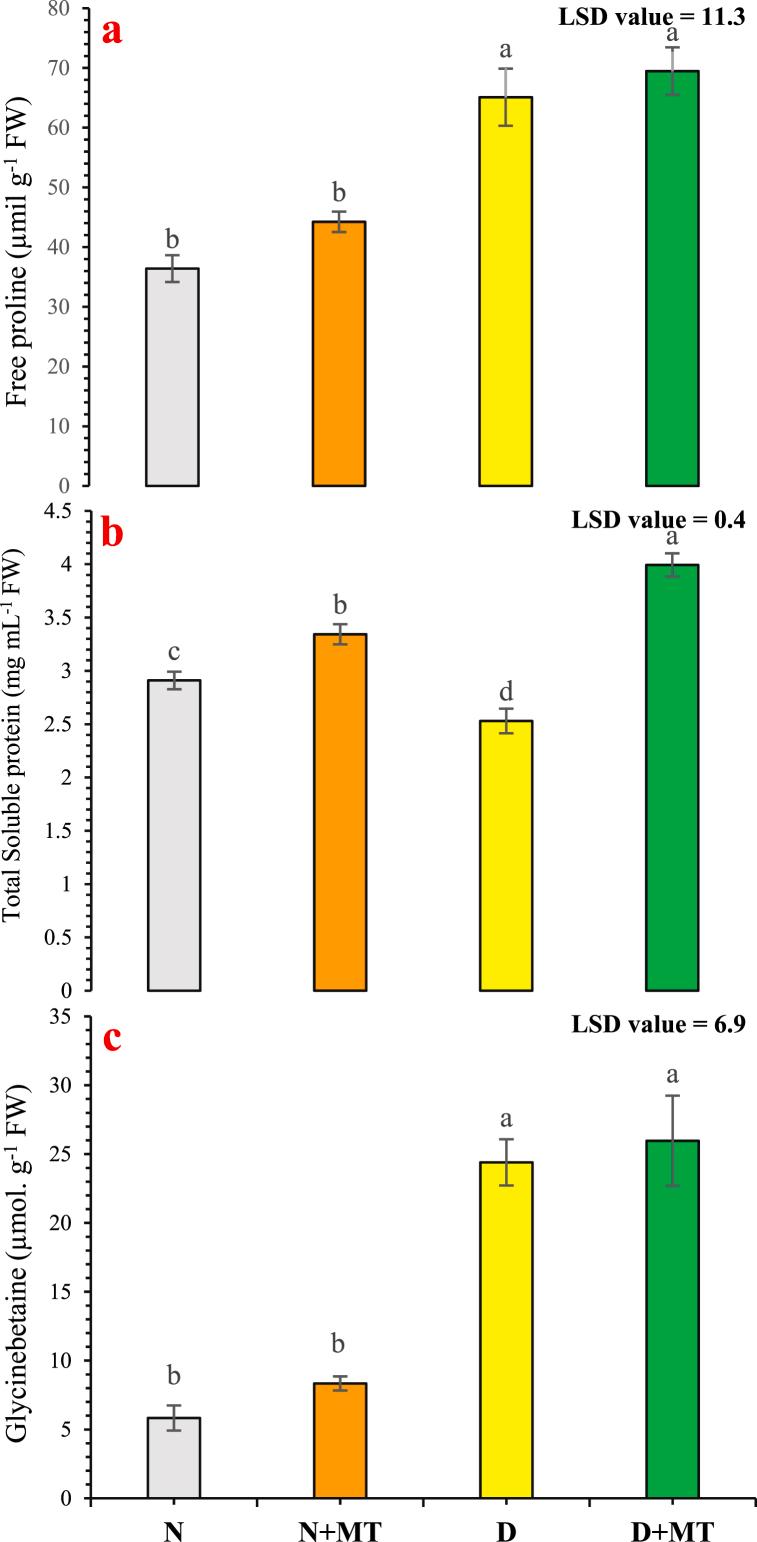
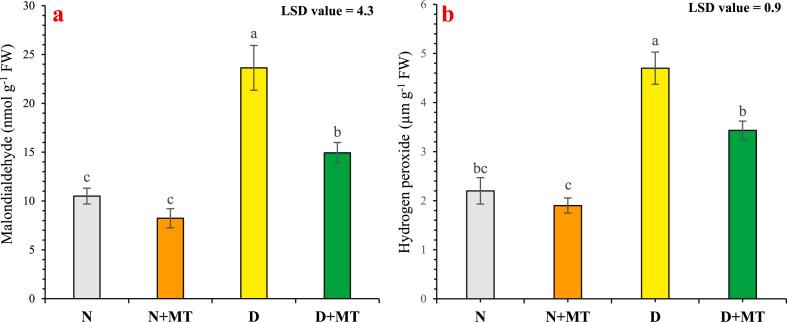
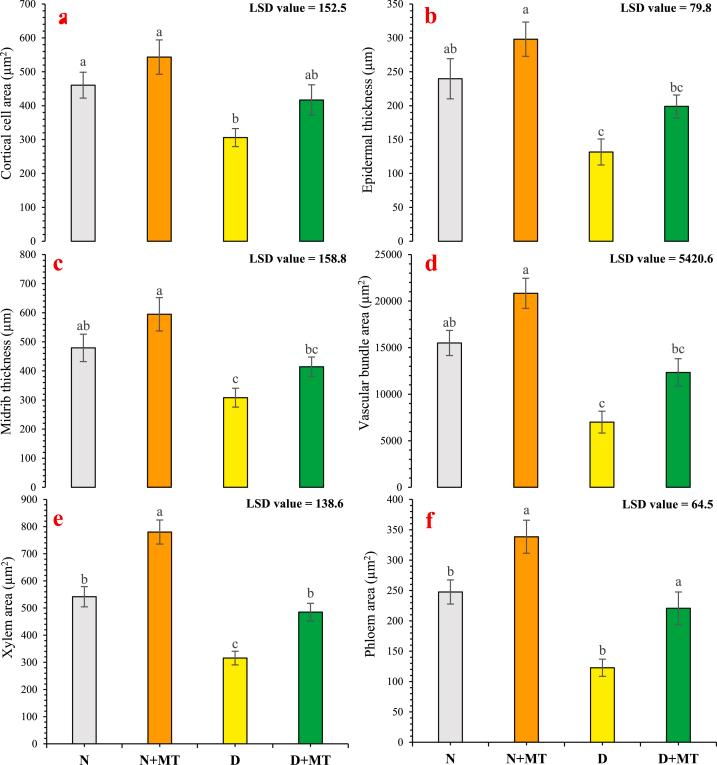
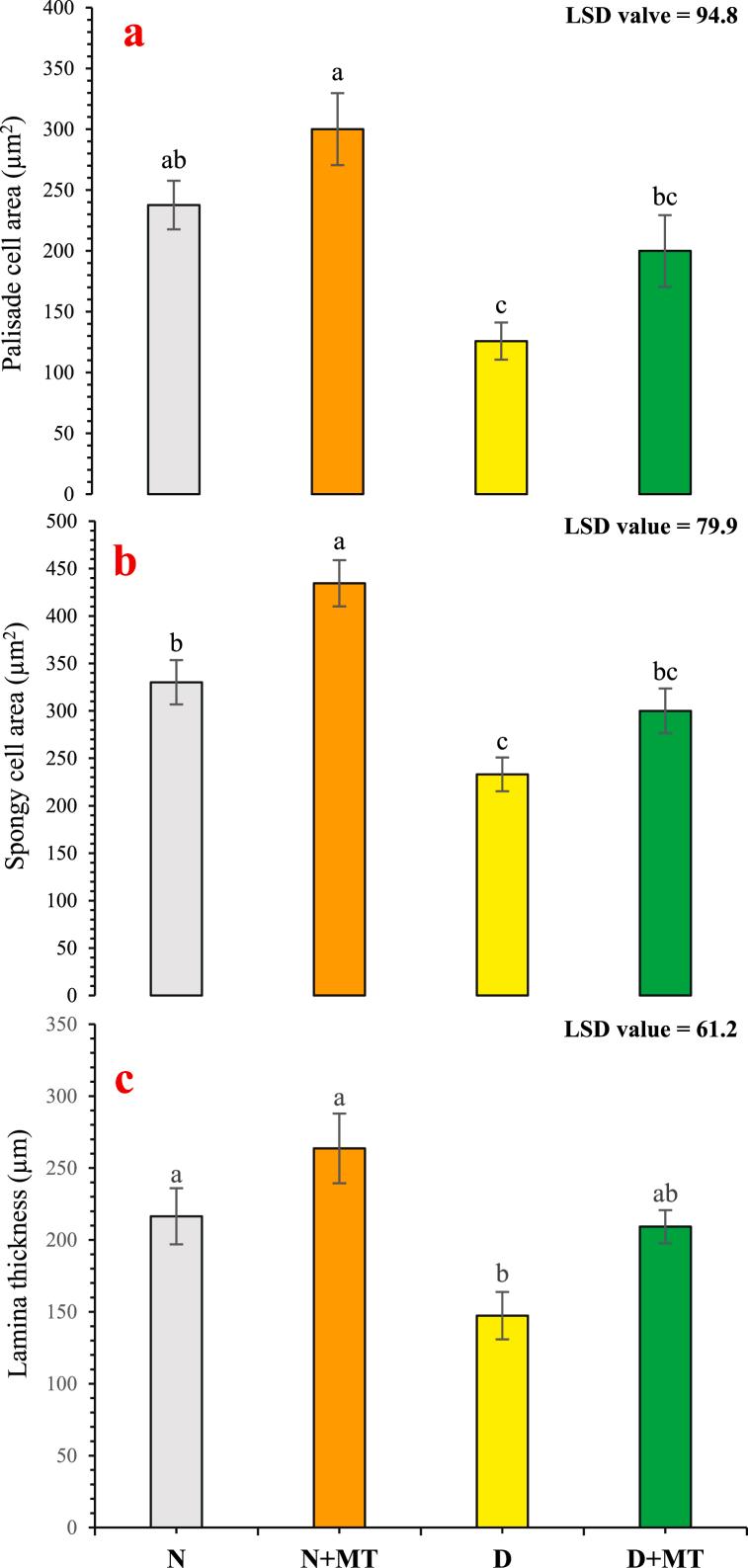
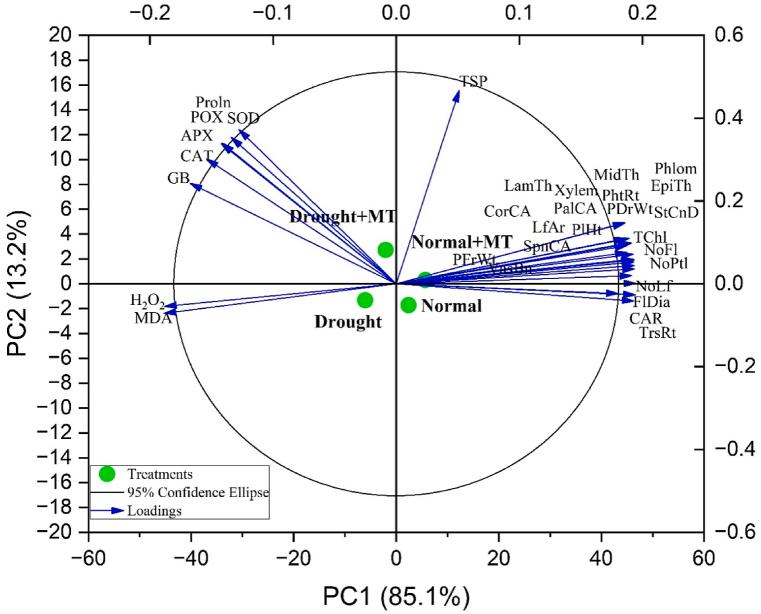
Melatonin is considered an effective bio-stimulant that is crucial in managing several abiotic stresses including drought. However, its potential mechanisms against drought stress in fragrant roses are not well understood. Here, we aim to investigate the role of melatonin on plants cultivated under drought stress (40 % field capacity) and normal irrigation (80 % field capacity). Plant growth traits, gaseous exchange, antioxidants, osmolytes, oxidative stress, and leaf anatomical attributes were measured. All pots were arranged with a completely randomized design with two-factor factorial setup. Foliar application of melatonin was carried out on the next day of drought treatment and was repeated weekly, while normal watering was regarded as control. Drought stress significantly enhanced oxidative stress markers and reduced growth parameters in water-deficit rose plants. However, melatonin spray (100 μM) produced increased plant height (16 %), flower yield (16 %), petal fresh and dry biomass (7 % and 38 %), total chlorophyll (48 %), contents of carotenoid (54 %), and gaseous exchange traits such as stomatal conductance (25 %), photosynthetic rate (91 %), and transpiration rate (3 %), in water-deficient plants. Likewise, the accretion of catalase, superoxide dismutase, soluble protein, proline, and glycine betaine contents was recorded by 22 %, 45 %, 58 %, 7 %, and 6 %, respectively, in drought-stressed plants, due to melatonin treatment. Increment of oxidative stress indicators i.e. malondialdehyde (-37 %) and hydrogen peroxide (-27 %) was diminished by melatonin triggered by drought stress. Furthermore, leaf cortex (51 %), vascular bundle area (76 %), palisade cell area (59 %), and lamina thickness (42 %) were remarkably increased with melatonin foliar sprays in water-deficit plants. The results of this study recommend that melatonin is a protective agent against drought stress and has potential application prospects in the rose-producing regions suffering from water deficiency. Future studies should focus on molecular responses of to drought stress to further develop stress alleviation strategies in floricultural crops.
褪黑素被认为是一种有效的生物刺激剂,对应对包括干旱在内的多种非生物胁迫至关重要。然而,其在香水月季中抵御干旱胁迫的潜在机制尚不清楚。在此,我们旨在研究褪黑素对在干旱胁迫(田间持水量的40%)和正常灌溉(田间持水量的80%)条件下种植的植物的作用。测定了植物生长性状、气体交换、抗氧化剂、渗透调节剂、氧化应激和叶片解剖学特征。所有花盆均采用完全随机设计和双因素析因设置。在干旱处理的第二天进行褪黑素叶面喷施,并每周重复一次,以正常浇水作为对照。干旱胁迫显著增强了缺水月季植株的氧化应激标记物,并降低了生长参数。然而,在缺水植株中,喷施褪黑素(100μM)使株高增加了16%、花产量增加了16%、花瓣鲜重和干重分别增加了7%和38%、总叶绿素含量增加了48%、类胡萝卜素含量增加了54%,以及气孔导度增加了25%、光合速率增加了91%、蒸腾速率增加了3%等气体交换性状。同样,由于褪黑素处理,干旱胁迫植株中过氧化氢酶、超氧化物歧化酶、可溶性蛋白、脯氨酸和甘氨酸甜菜碱含量分别增加了22%、45%、58%、7%和6%。干旱胁迫引发的褪黑素降低了氧化应激指标丙二醛(-37%)和过氧化氢(-27%)的增加。此外,在缺水植株中,褪黑素叶面喷施显著增加了叶皮层(51%)、维管束面积(76%)、栅栏细胞面积(59%)和叶片厚度(42%)。本研究结果表明,褪黑素是一种抵御干旱胁迫的保护剂,在缺水的玫瑰产区具有潜在的应用前景。未来的研究应关注其对干旱胁迫的分子响应,以进一步制定花卉作物的胁迫缓解策略。

 Zotero 插件