
微小RNA在黑色素瘤中的诊断能力:整合机器学习以提高准确性和通路分析
Diagnostic Power of MicroRNAs in Melanoma: Integrating Machine Learning for Enhanced Accuracy and Pathway Analysis.
作者信息
Rafiepoor Haniyeh, Ghorbankhanloo Alireza, Soleimani Dorcheh Soroush, Angouraj Taghavi Elham, Ghanadan Alireza, Shirkoohi Reza, Aryanian Zeinab, Amanpour Saeid
机构信息
Cancer Biology Research Center, Cancer Institute, Tehran University of Medical Sciences, Tehran, Iran.
School of Medicine, Tehran University of Medical Science, Tehran, Iran.
出版信息
J Cell Mol Med. 2025 Jan;29(2):e70367. doi: 10.1111/jcmm.70367.
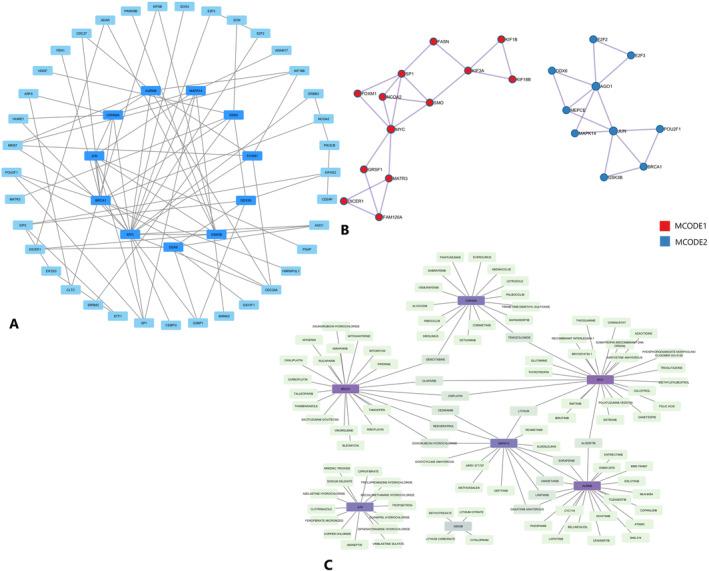
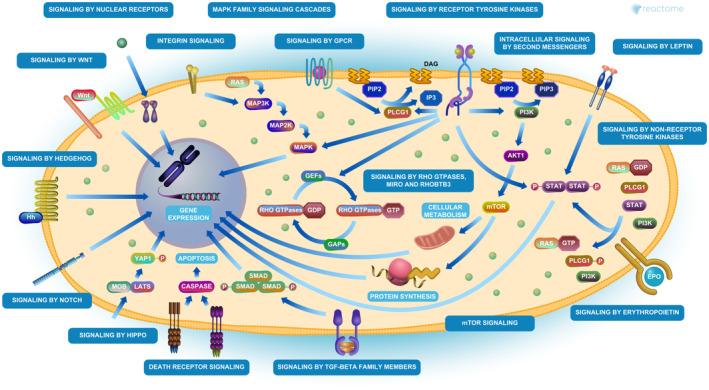
This study identifies microRNAs (miRNAs) with significant discriminatory power in distinguishing melanoma from nevus, notably hsa-miR-26a and hsa-miR-211, which have exhibited diagnostic potential with accuracy of 81% and 78% respectively. To enhance diagnostic accuracy, we integrated miRNAs into various machine-learning (ML) models. Incorporating miRNAs with AUC scores above 0.70 significantly improved diagnostic accuracy to 94%, with a sensitivity of 91%. These findings underscore the potential of ML models to leverage miRNA data for enhanced melanoma diagnosis. Additionally, using the miRNet tool, we constructed a network of miRNA-miRNA interactions, revealing 170 key genes in melanoma pathophysiology. Protein-protein interaction network analysis via Cytoscape identified hub genes including MYC, BRCA1, JUN, AURKB, CDKN2A, DDX5, MAPK14, DDX3X, DDX6, FOXM1 and GSK3B. The identification of hub genes and their interactions with miRNAs enhances our understanding of the molecular mechanisms driving melanoma. Pathway enrichment analyses highlighted key pathways associated with differentially expressed miRNAs, including the PI3K/AKT, TGF-beta signalling pathway and cell cycle regulation. These pathways are implicated in melanoma development and progression, reinforcing the significance of our findings. The functional enrichment of miRNAs suggests their critical role in modulating essential pathways in melanoma, suggesting their potential as therapeutic targets.
本研究确定了在区分黑色素瘤和痣方面具有显著鉴别能力的微小RNA(miRNA),特别是hsa-miR-26a和hsa-miR-211,它们分别具有81%和78%的诊断准确率,展现出诊断潜力。为提高诊断准确性,我们将miRNA整合到各种机器学习(ML)模型中。纳入AUC评分高于0.70的miRNA可将诊断准确率显著提高至94%,敏感性为91%。这些发现强调了ML模型利用miRNA数据增强黑色素瘤诊断的潜力。此外,我们使用miRNet工具构建了miRNA-miRNA相互作用网络,揭示了黑色素瘤病理生理学中的170个关键基因。通过Cytoscape进行的蛋白质-蛋白质相互作用网络分析确定了包括MYC、BRCA1、JUN、AURKB、CDKN2A、DDX5、MAPK14、DDX3X、DDX6、FOXM1和GSK3B在内的枢纽基因。枢纽基因的鉴定及其与miRNA的相互作用增强了我们对驱动黑色素瘤的分子机制的理解。通路富集分析突出了与差异表达miRNA相关的关键通路,包括PI3K/AKT、TGF-β信号通路和细胞周期调控。这些通路与黑色素瘤的发生和发展有关,强化了我们研究结果的重要性。miRNA的功能富集表明它们在调节黑色素瘤关键通路中起关键作用,暗示了它们作为治疗靶点的潜力。


 Zotero 插件