
绘制精神分裂症和复杂脑表型的细胞病因图谱。
Mapping the cellular etiology of schizophrenia and complex brain phenotypes.
作者信息
Duncan Laramie E, Li Tayden, Salem Madeleine, Li Will, Mortazavi Leili, Senturk Hazal, Shahverdizadeh Naghmeh, Vesuna Sam, Shen Hanyang, Yoon Jong, Wang Gordon, Ballon Jacob, Tan Longzhi, Pruett Brandon Scott, Knutson Brian, Deisseroth Karl, Giardino William J
机构信息
Department of Psychiatry and Behavioral Sciences, Stanford University, Stanford, CA, USA.
Wu Tsai Neurosciences Institute, Stanford University, Stanford, CA, USA.
出版信息
Nat Neurosci. 2025 Feb;28(2):248-258. doi: 10.1038/s41593-024-01834-w. Epub 2025 Jan 20.
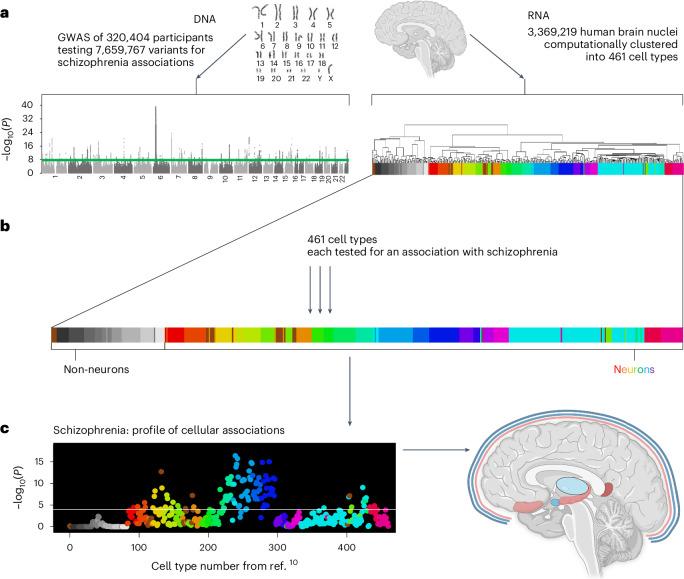
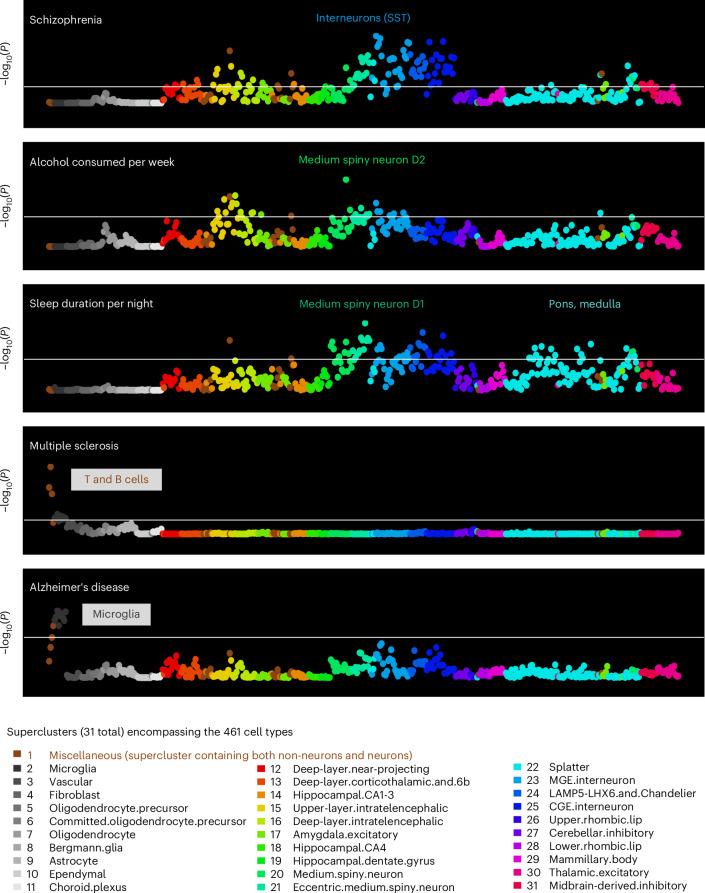
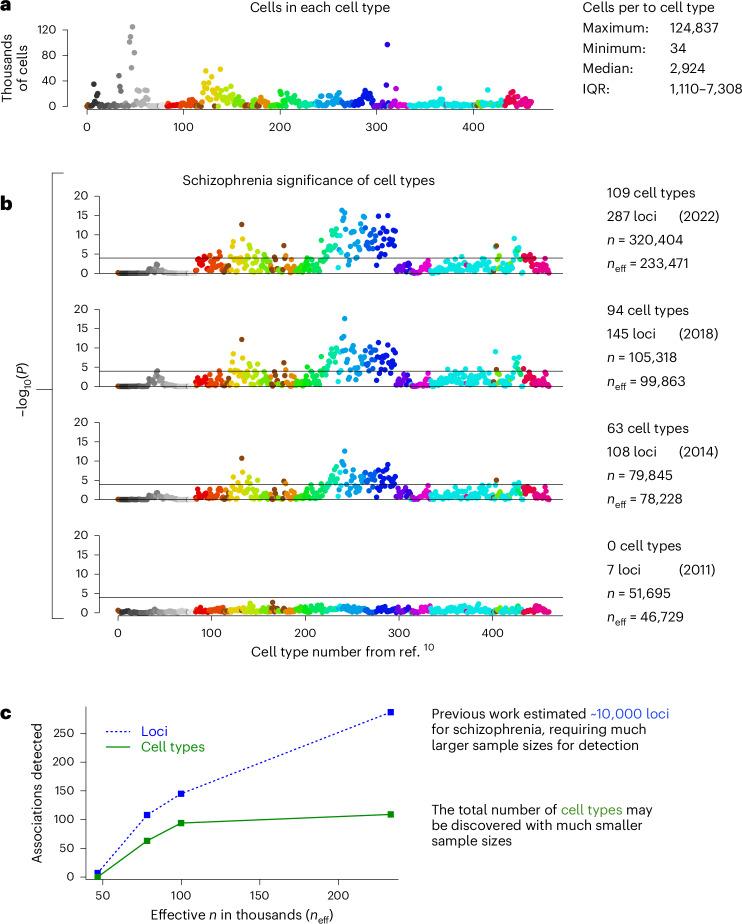
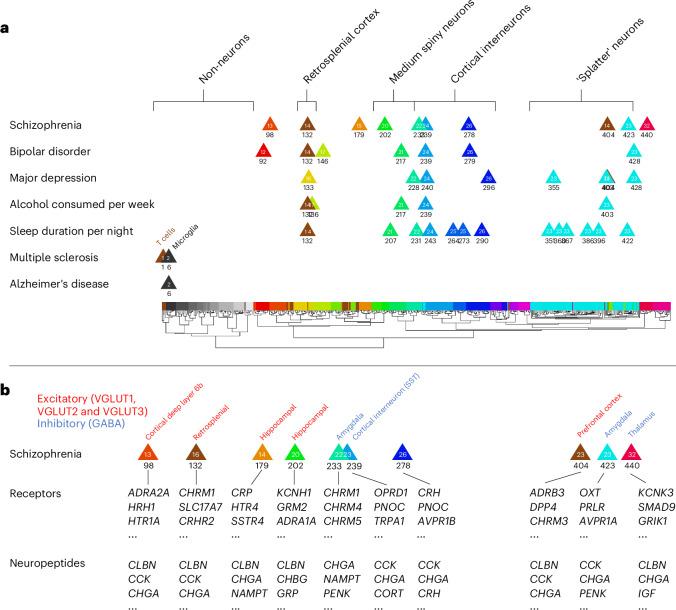
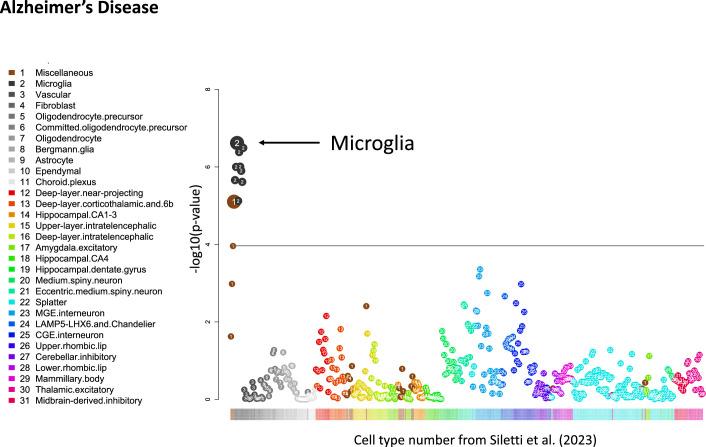
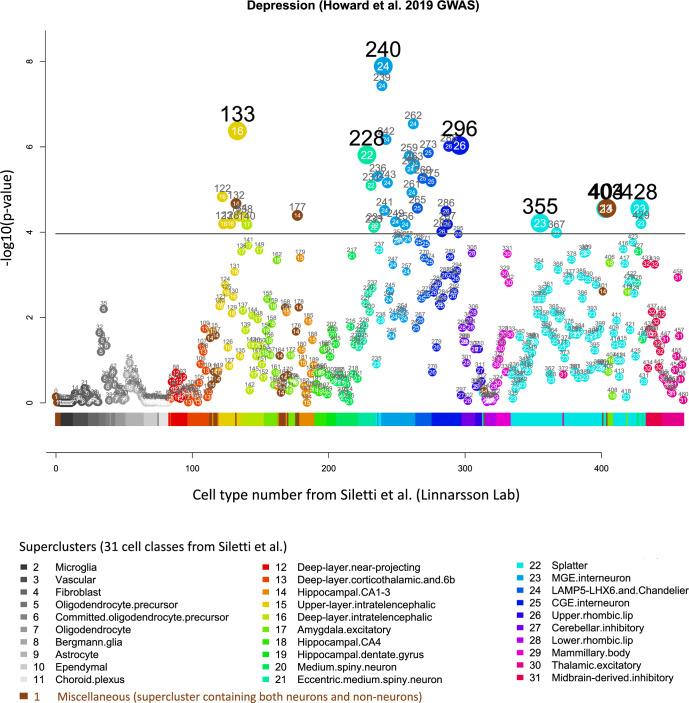
Psychiatric disorders are multifactorial and effective treatments are lacking. Probable contributing factors to the challenges in therapeutic development include the complexity of the human brain and the high polygenicity of psychiatric disorders. Combining well-powered genome-wide and brain-wide genetics and transcriptomics analyses can deepen our understanding of the etiology of psychiatric disorders. Here, we leverage two landmark resources to infer the cell types involved in the etiology of schizophrenia, other psychiatric disorders and informative comparison of brain phenotypes. We found both cortical and subcortical neuronal associations for schizophrenia, bipolar disorder and depression. These cell types included somatostatin interneurons, excitatory neurons from the retrosplenial cortex and eccentric medium spiny-like neurons from the amygdala. In contrast we found T cell and B cell associations with multiple sclerosis and microglial associations with Alzheimer's disease. We provide a framework for a cell-type-based classification system that can lead to drug repurposing or development opportunities and personalized treatments. This work formalizes a data-driven, cellular and molecular model of complex brain disorders.
精神疾病是多因素导致的,且缺乏有效的治疗方法。治疗发展面临挑战的可能促成因素包括人类大脑的复杂性以及精神疾病的高度多基因性。将强大的全基因组和全脑遗传学及转录组学分析相结合,可以加深我们对精神疾病病因的理解。在此,我们利用两项具有里程碑意义的资源来推断参与精神分裂症、其他精神疾病病因的细胞类型以及脑表型的信息性比较。我们发现精神分裂症、双相情感障碍和抑郁症都存在皮质和皮质下神经元关联。这些细胞类型包括生长抑素中间神经元、扣带回后皮质的兴奋性神经元以及杏仁核的偏心中型棘状样神经元。相比之下,我们发现T细胞和B细胞与多发性硬化症有关联,小胶质细胞与阿尔茨海默病有关联。我们提供了一个基于细胞类型的分类系统框架,该框架可以带来药物重新利用或开发机会以及个性化治疗。这项工作形成了一个数据驱动的复杂脑部疾病的细胞和分子模型。








 Zotero 插件