
高脂血症基层医疗的自动化流程评估:来自中国安徽的初步发现及启示
Automated process assessment of primary healthcare for hyperlipidemia: preliminary findings and implications form Anhui, China.
作者信息
Yang Ningjing, Wang Yuning, Li Ying, Xiao Dongying, Cui Ruirui, Li Nana, Liu Rong, Chai Jing, Shen Xingrong, Wang Debin
机构信息
School of Health Service Management, Anhui Medical University, 81 Meishan Road, Shushan District, Hefei, Anhui, 230032, China.
Center for Health Service and Management Technology Research, Anhui Medical University, Hefei, Anhui, 230032, China.
出版信息
Lipids Health Dis. 2025 Jan 22;24(1):17. doi: 10.1186/s12944-025-02435-7.
BACKGROUND
Primary healthcare (PHC) plays a key role in hyperlipidemia (HL) management yet lacks adequate monitoring and feedback. This study aims at identifying pragmatic measures out from routinely collected electronic records to enable automatic monitoring and inform continuous optimization of HL-management at PHC settings.
METHODS
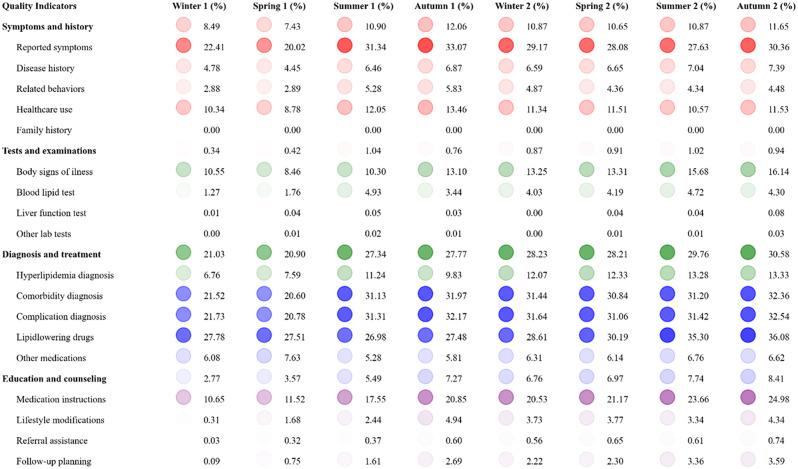
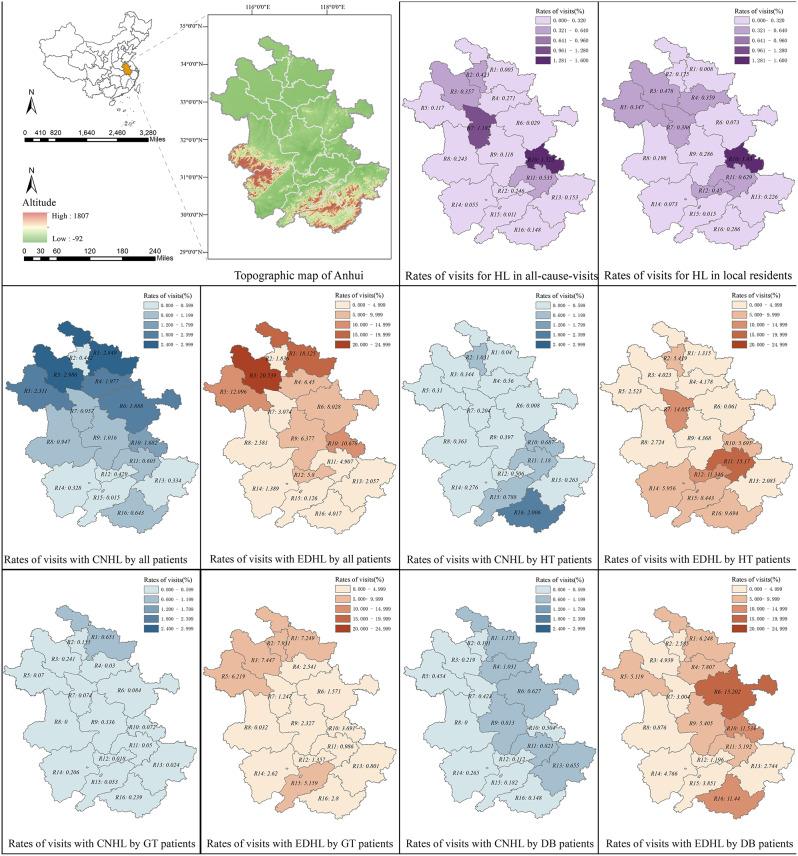
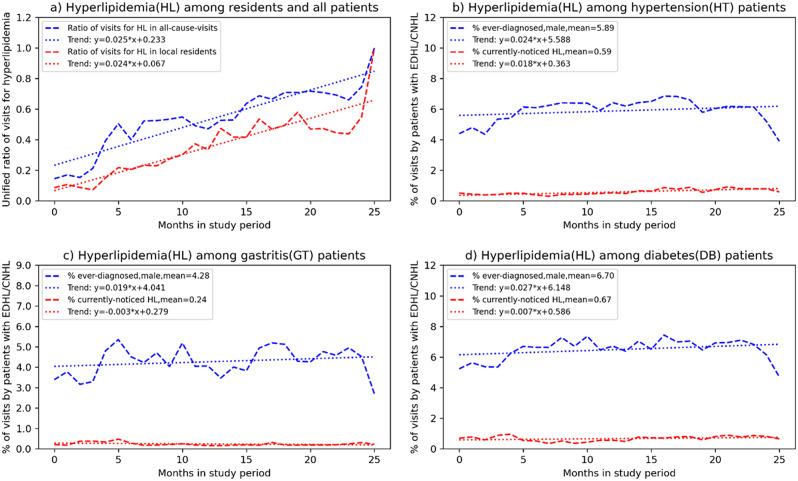
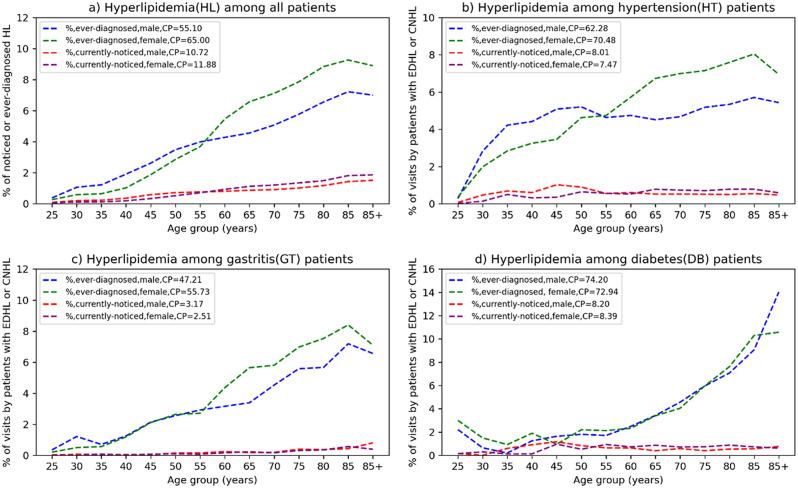
The study used randomly selected electronic records of PHC (from the province-wide data center of Anhui-province, China) as the main data source and generated both procedure-based and encounter-based measures for assessing HL-management. The procedure-based measures were derived from specific quality-facts of 21 stages/procedures (e.g., lipid lowering medication prescription) using self-designed algorithms. While the encounter-based measures included number or rate of visits for HL, currently-noticed hyperlipidemia (CNHL, or HL noticed during the current consultation), and ever-diagnosed hyperlipidemia (EDHL). Analysis of these measures employed mainly simple descriptives and linear regression modeling.
RESULTS
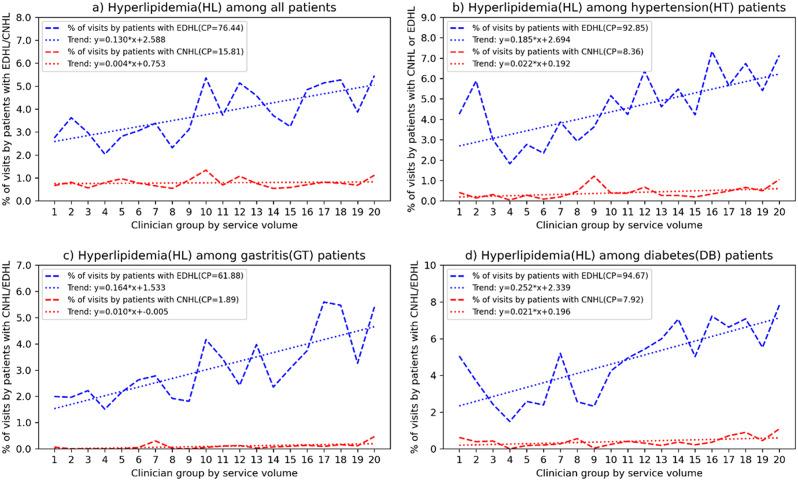
The study revealed interesting findings including: low and varied rates of visits for HL(from 0.01 to 1.43%) and visits by patients with EDHL/CNHL(from 0.13 to 20.54% or from 0.02 to 2.99%) between regions; large differences (5.14 to 22.20 times) between the mean or cumulative proportions of visits by patients with EDHL versus CNHL among clinician groups; consistent increase in the ratio of visits for HL in all cause visits over the study period (from 0.087 to 1.000%) accompanied with relatively stable proportions of patients with CNHL/EDHL; Relatively low scores in the procedure-based measures (ranged from 0.00 to 36.08% for specific procedures by seasons).
CONCLUSIONS
The measures identified are not only feasible from real-world PHC records but also give some useful metrics about how well current HL-management is going and what future actions are needed.
背景
基层医疗保健(PHC)在高脂血症(HL)管理中起着关键作用,但缺乏充分的监测和反馈。本研究旨在从常规收集的电子记录中确定实用措施,以实现自动监测,并为基层医疗保健机构高脂血症管理的持续优化提供信息。
方法
本研究以随机选取的基层医疗保健电子记录(来自中国安徽省全省数据中心)作为主要数据源,生成基于流程和基于诊疗的措施来评估高脂血症管理。基于流程的措施是使用自行设计的算法,从21个阶段/流程的特定质量事实(如降脂药物处方)中得出。而基于诊疗的措施包括高脂血症就诊次数或就诊率、当前发现的高脂血症(CNHL,或本次会诊期间发现的高脂血症)以及既往诊断的高脂血症(EDHL)。对这些措施的分析主要采用简单描述性统计和线性回归建模。
结果
该研究揭示了一些有趣的发现,包括:各地区之间高脂血症就诊率较低且差异较大(从0.01%至1.43%),既往诊断高脂血症/当前发现高脂血症患者的就诊率(从0.13%至20.54%或从0.02%至2.99%);临床医生群体中,既往诊断高脂血症患者与当前发现高脂血症患者的平均就诊比例或累计就诊比例存在较大差异(5.14至22.20倍);在研究期间,所有病因就诊中高脂血症就诊比例持续增加(从0.087%至1.000%),同时当前发现高脂血症/既往诊断高脂血症患者的比例相对稳定;基于流程的措施得分相对较低(按季节划分,特定流程的得分范围为0.00%至36.08%)。
结论
所确定的措施不仅从基层医疗保健的实际记录来看是可行的,而且还提供了一些有用的指标,可反映当前高脂血症管理的进展情况以及未来需要采取的行动。
 Zotero 插件