
非接触感应加热对羟基磷灰石涂层和骨水泥的影响:一项体外研究
Effect of non-contact induction heating on HA coatings and bone cement, an ex vivo study.
作者信息
Kamphof Robert, Cama Dr Giuseppe, Mesman-Vergeer Jeroen, G H H Nelissen Dr Rob, G C W Pijls Dr Bart
机构信息
Department of Orthopaedics, Leiden University Medical Center, Leiden, Albinusdreef 2, 2333 ZA, The Netherlands.
CAM Bioceramics B.V., Leiden, Zernikedreef 6, 2333 CL, The Netherlands.
出版信息
F1000Res. 2024 Oct 22;13:443. doi: 10.12688/f1000research.148225.2. eCollection 2024.
BACKGROUND
Prosthetic joint infection is a serious complication that can arise after total joint replacement surgery. When bacteria colonise an orthopaedic implant, they form biofilms that protect them from their environment, making them difficult to remove. Treatment is further complicated by a global rise of antimicrobial resistance. These protective mechanisms make treatment of prosthetic joint infection increasingly complex. Non-contact induction heating is an upcoming technology that uses heat to eradicate bacteria that are present on the surface of metallic implants. This study aims to provide insight into the feasibility of using non-contact induction heating on metallic implants that are in direct contact with other biomaterials, such as coatings composed of hydroxyapatite and bone cement composed of poly (methyl methacrylate) (PMMA).
METHODS
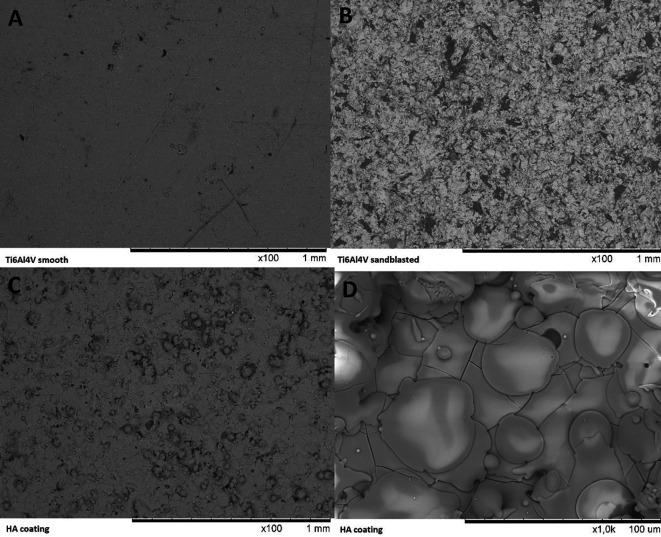
Characterisation of hydroxyapatite coatings and adhesion strength tests were conducted according to standards set by the International Organisation for Standardisation (ISO 13779-2). The fixation strength of acrylic bone cement was tested according to an adapted method from ISO.
RESULTS
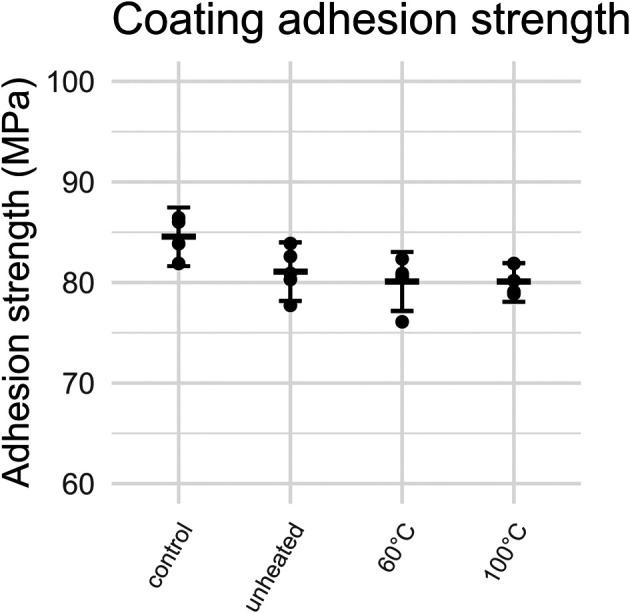
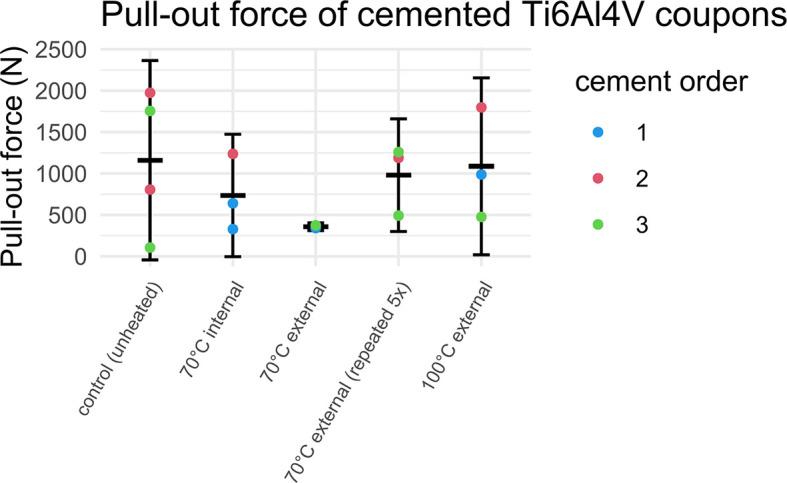
It was found that non-contact induction heating did not significantly affect the adhesion strength of hydroxyapatite coatings. In contrast to hydroxyapatite coatings, acrylic bone cement softened temporarily as the temperature exceeded the glass transition temperature (83.38 ± 10.88°C). However, the induction heating temperature had no significant effect on the fixation strength after the cement was allowed to cool down.
CONCLUSION
This study shows the feasibility of using non-contact induction heating up to 80°C when bone cement or ceramic coatings are present in contact with infected metallic implants.
背景
人工关节感染是全关节置换手术后可能出现的严重并发症。当细菌在骨科植入物上定植时,它们会形成生物膜来保护自身免受外界影响,从而难以清除。抗菌药物耐药性的全球上升使治疗更加复杂。这些保护机制使得人工关节感染的治疗日益复杂。非接触感应加热是一项新兴技术,利用热量根除金属植入物表面存在的细菌。本研究旨在深入了解在与其他生物材料(如由羟基磷灰石组成的涂层和由聚甲基丙烯酸甲酯(PMMA)组成的骨水泥)直接接触的金属植入物上使用非接触感应加热的可行性。
方法
根据国际标准化组织制定的标准(ISO 13779-2)进行羟基磷灰石涂层的表征和附着力测试。丙烯酸骨水泥的固定强度根据ISO的一种改进方法进行测试。
结果
发现非接触感应加热对羟基磷灰石涂层的附着力没有显著影响。与羟基磷灰石涂层不同,当温度超过玻璃化转变温度(83.38±10.88°C)时,丙烯酸骨水泥会暂时软化。然而,在水泥冷却后,感应加热温度对固定强度没有显著影响。
结论
本研究表明,当骨水泥或陶瓷涂层与受感染的金属植入物接触时,使用高达80°C的非接触感应加热是可行的。



 Zotero 插件