
癌症治疗诊断学:通过治疗与诊断的平台整合,为先进的个性化癌症治疗闭环。
Cancer theragnostics: closing the loop for advanced personalized cancer treatment through the platform integration of therapeutics and diagnostics.
作者信息
Sergeeva Olga V, Luo Liang, Guiseppi-Elie Anthony
机构信息
Genterra JSC, Moscow, Russia.
National Engineering Research Center for Nanomedicine, College of Life Science and Technology, Huazhong University of Science and Technology, Wuhan, China.
出版信息
Front Bioeng Biotechnol. 2025 Jan 17;12:1499474. doi: 10.3389/fbioe.2024.1499474. eCollection 2024.
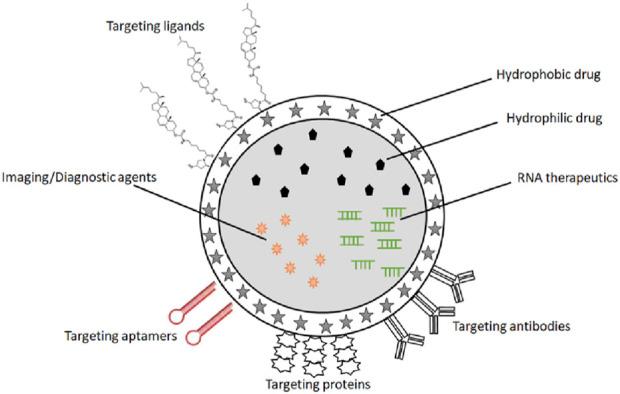
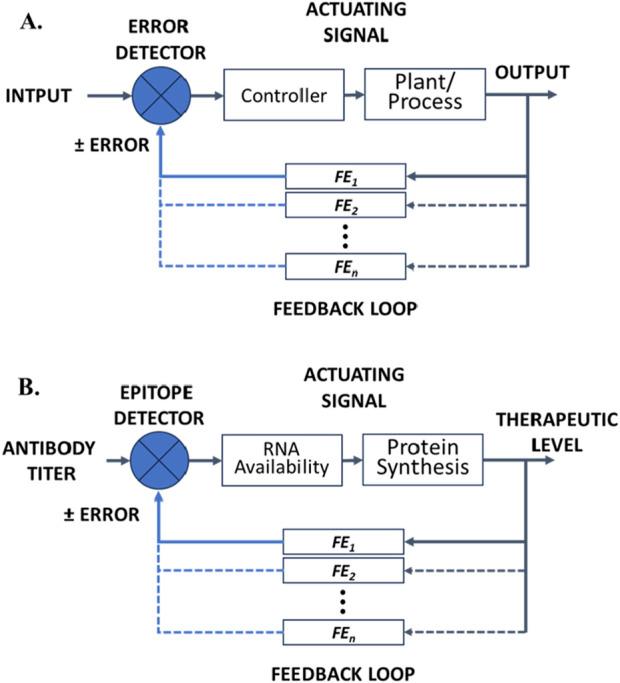
Cancer continues to be one of the leading causes of death worldwide, and conventional cancer therapies such as chemotherapy, radiation therapy, and surgery have limitations. RNA therapy and cancer vaccines hold considerable promise as an alternative to conventional therapies for their ability to enable personalized therapy with improved efficacy and reduced side effects. The principal approach of cancer vaccines is to induce a specific immune response against cancer cells. However, a major challenge in cancer immunotherapy is to predict which patients will respond to treatment and to monitor the efficacy of the vaccine during treatment. Theragnostics, an integration of diagnostic and therapeutic capabilities into a single hybrid platform system, has the potential to address these challenges by enabling real-time monitoring of treatment response while allowing endogenously controlled personalized treatment adjustments. In this article, we review the current state-of-the-art in theragnostics for cancer vaccines and RNA therapy, including imaging agents, biomarkers, and other diagnostic tools relevant to cancer, and their application in cancer therapy development and personalization. We also discuss the opportunities and challenges for further development and clinical translation of theragnostics in cancer vaccines.
癌症仍然是全球主要的死亡原因之一,化疗、放疗和手术等传统癌症疗法存在局限性。RNA疗法和癌症疫苗因其能够实现个性化治疗、提高疗效并减少副作用,作为传统疗法的替代方案具有巨大潜力。癌症疫苗的主要方法是诱导针对癌细胞的特异性免疫反应。然而,癌症免疫疗法的一个主要挑战是预测哪些患者会对治疗产生反应,并在治疗期间监测疫苗的疗效。治疗诊断学,即将诊断和治疗能力整合到一个单一的混合平台系统中,有潜力通过实现对治疗反应的实时监测,同时允许进行内源性控制的个性化治疗调整来应对这些挑战。在本文中,我们综述了癌症疫苗和RNA疗法的治疗诊断学的当前技术水平,包括与癌症相关的成像剂、生物标志物和其他诊断工具,以及它们在癌症治疗开发和个性化中的应用。我们还讨论了癌症疫苗治疗诊断学进一步发展和临床转化的机遇与挑战。



 Zotero 插件