
揭示地中海东部新兴污染物的含量水平。
Unraveling the levels of emerging contaminants along the eastern Mediterranean Sea.
作者信息
Haydous Fatima, Nehmeh Bilal, Rebehmed Joseph, Al-Alam Josephine, Saab Christopher, Sabbagh Sara, Hamieh Ali, Yassin Ali, Wazne Mahmoud, Akoury Elias
机构信息
Department of Physical Sciences, School of Arts and Sciences, Lebanese American University, Beirut, 1102-2801, Lebanon.
Department of Computer Science, School of Arts and Sciences, Lebanese American University, Beirut, 1102-2801, Lebanon.
出版信息
Sci Rep. 2025 Feb 5;15(1):4401. doi: 10.1038/s41598-025-89027-8.
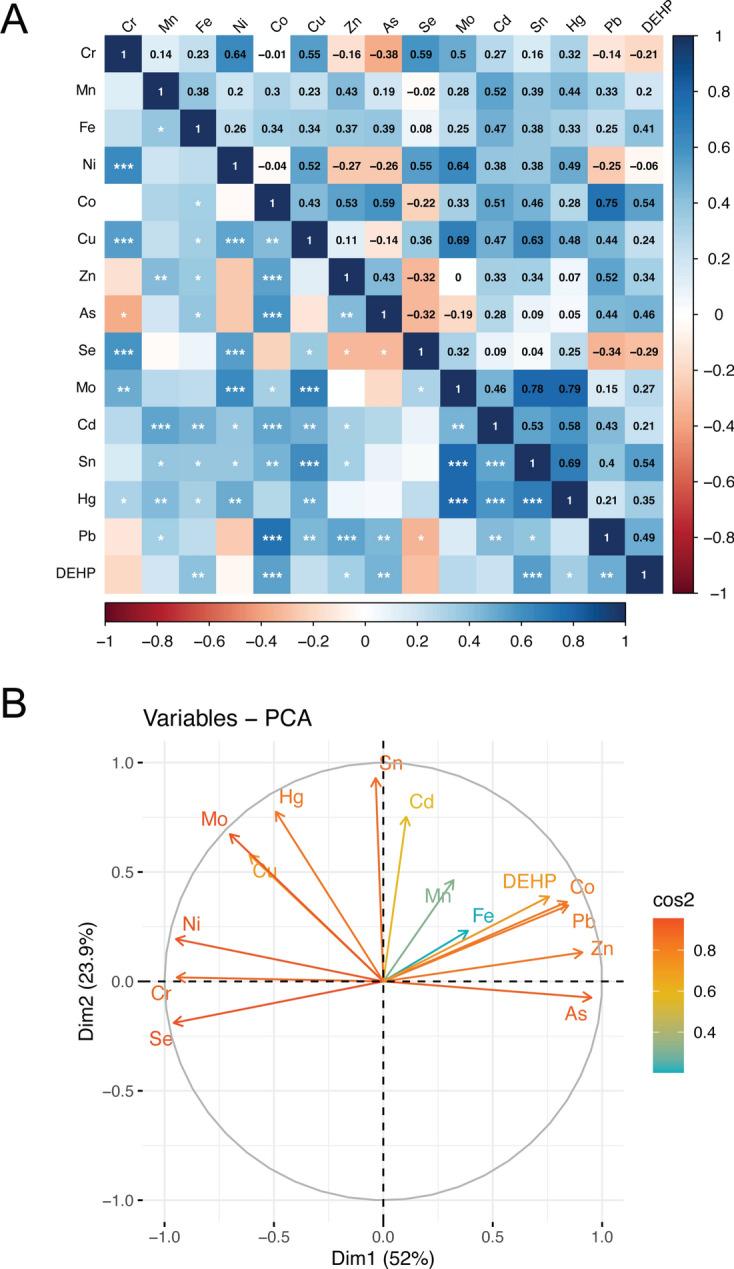
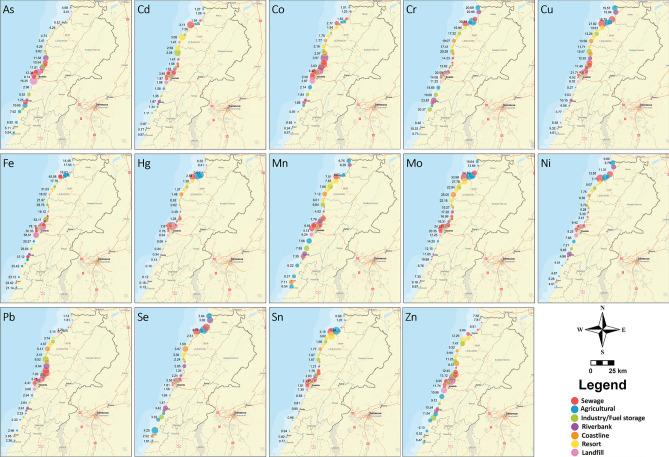
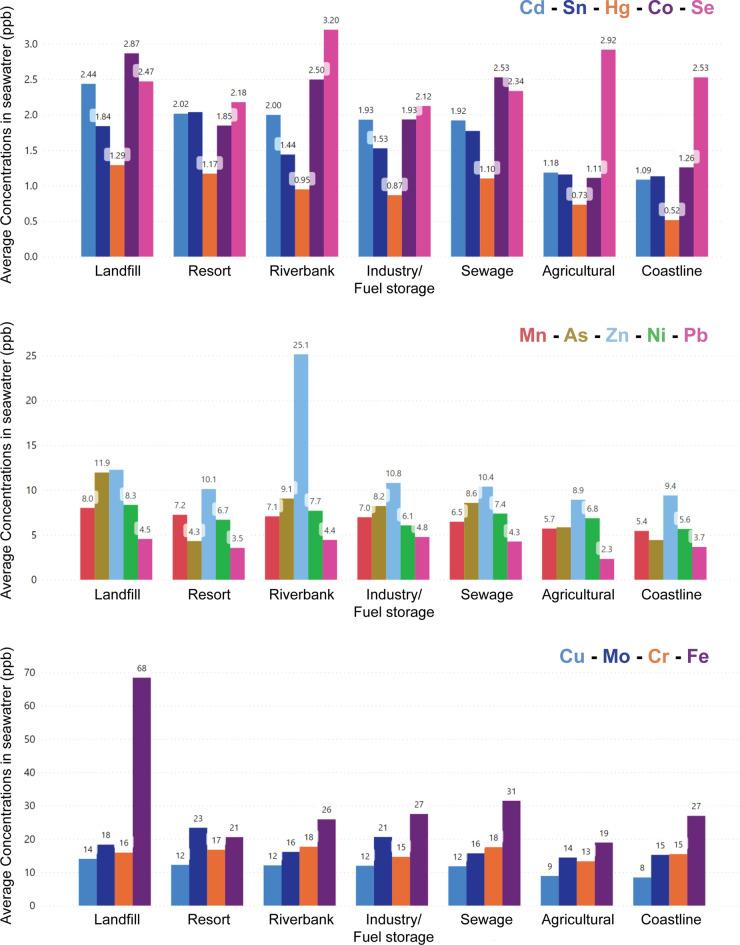
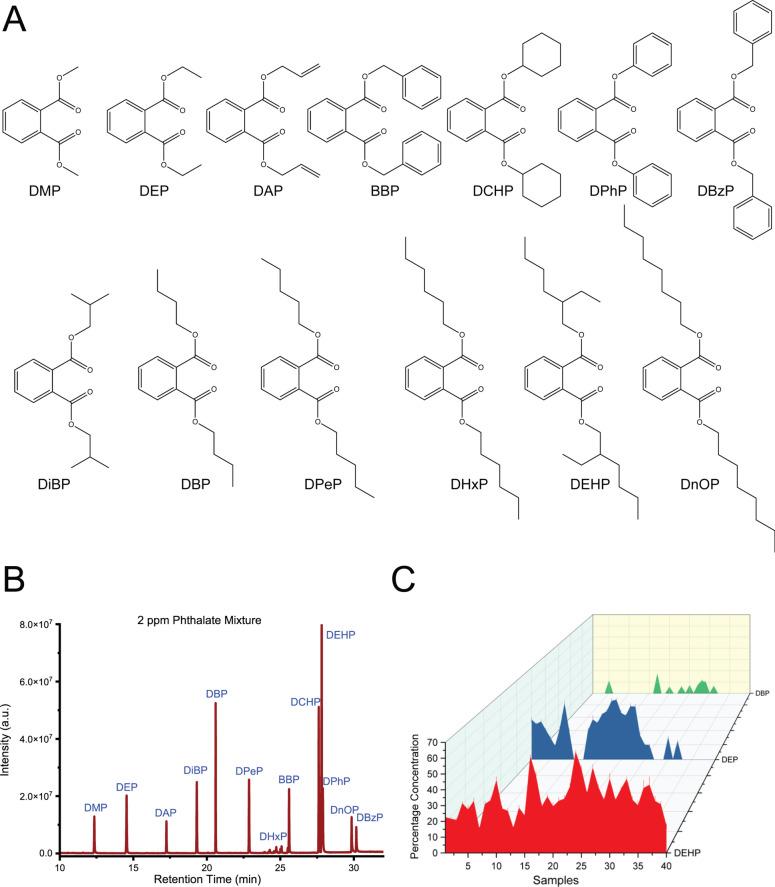
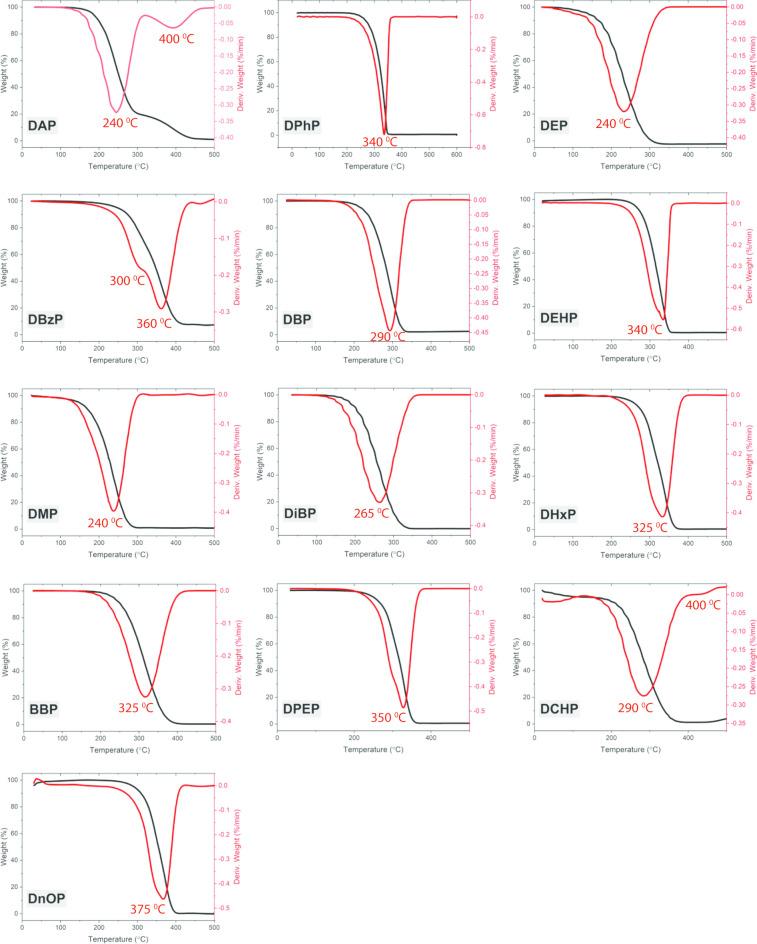
The Eastern Mediterranean Sea, rich in environmental and cultural heritage, faces increasing threats from emerging contaminants like toxic metals and phthalates. This study evaluates their occurrence across 40 Lebanese Mediterranean coastal hotspots using advanced techniques such as Inductively Coupled Plasma Mass Spectrometry (ICP-MS), X-ray Fluorescence Spectroscopy (XRF) and Gas Chromatography-Mass Spectrometry (GC-MS). Widespread contamination was detected in both water and sediments near landfills, sewage discharges, and industrial areas. Metal concentrations varied, with chromium (Cr) reaching 20.3 µg/L, arsenic (As) 12.1 µg/L, and lead (Pb) 30.6 µg/L, indicating pollution from urban and industrial activities. Manganese (Mn) and zinc (Zn) were within safe limits, while selenium (Se) and arsenic posed ecological risks. Among 13 phthalates, diethylhexyl phthalate (DEHP) was the most prevalent, ranging from 15.57 to 72.88 µg/L. Sediments showed elevated calcium, strontium, and barium levels, exceeding safety thresholds. Statistical analysis revealed correlations between contaminants and spatial variability driven by industrial, agricultural, and urban activities. These findings highlight the need for proper regulations and routine monitoring to protect marine ecosystems and public health.
东地中海拥有丰富的环境和文化遗产,正面临着来自有毒金属和邻苯二甲酸盐等新兴污染物日益增加的威胁。本研究使用电感耦合等离子体质谱法(ICP-MS)、X射线荧光光谱法(XRF)和气相色谱-质谱联用仪(GC-MS)等先进技术,评估了它们在黎巴嫩地中海沿岸40个热点地区的存在情况。在垃圾填埋场、污水排放口和工业区附近的水和沉积物中均检测到广泛污染。金属浓度各不相同,铬(Cr)达到20.3微克/升,砷(As)为12.1微克/升,铅(Pb)为30.6微克/升,表明存在来自城市和工业活动的污染。锰(Mn)和锌(Zn)在安全限度内,而硒(Se)和砷则构成生态风险。在13种邻苯二甲酸盐中,邻苯二甲酸二(2-乙基己基)酯(DEHP)最为普遍,浓度范围为15.57至72.88微克/升。沉积物中的钙、锶和钡含量升高,超过了安全阈值。统计分析揭示了污染物与由工业、农业和城市活动驱动的空间变异性之间的相关性。这些发现凸显了制定适当法规和进行常规监测以保护海洋生态系统和公众健康的必要性。

 Zotero 插件