
多囊卵巢综合征中的血浆微小RNA驱动子宫内膜癌进展:对分子途径和治疗靶点的见解
Plasma miRNAs in polycystic ovary syndrome drive endometrial cancer progression: insights into molecular pathways and therapeutic targets.
作者信息
Lai Xuedan, Wu Ling, Lin Peihong, You Lijiao, Ye Jianwen
机构信息
Department of Gynaecology, Fuzhou First Hospital Affiliated to Fujian Medical University, Fuzhou, 350009, People's Republic of China.
出版信息
Discov Oncol. 2025 Feb 7;16(1):133. doi: 10.1007/s12672-025-01861-4.
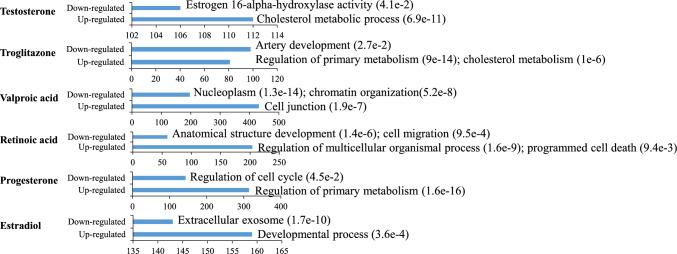
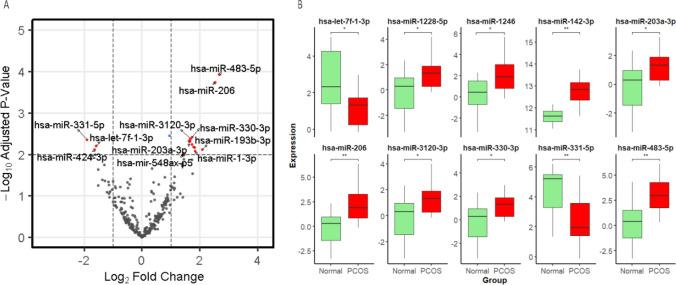
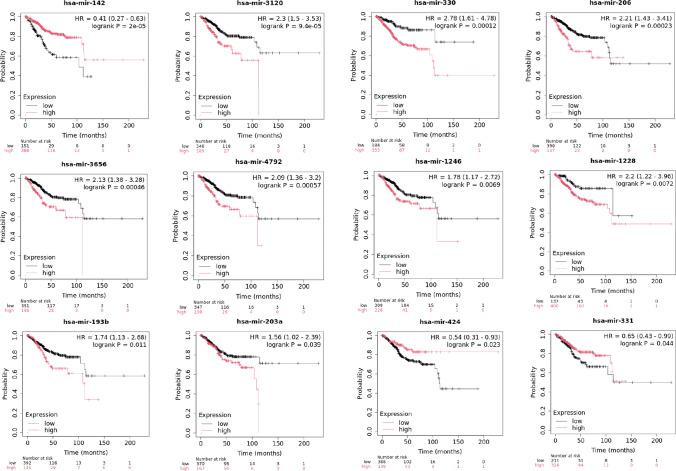
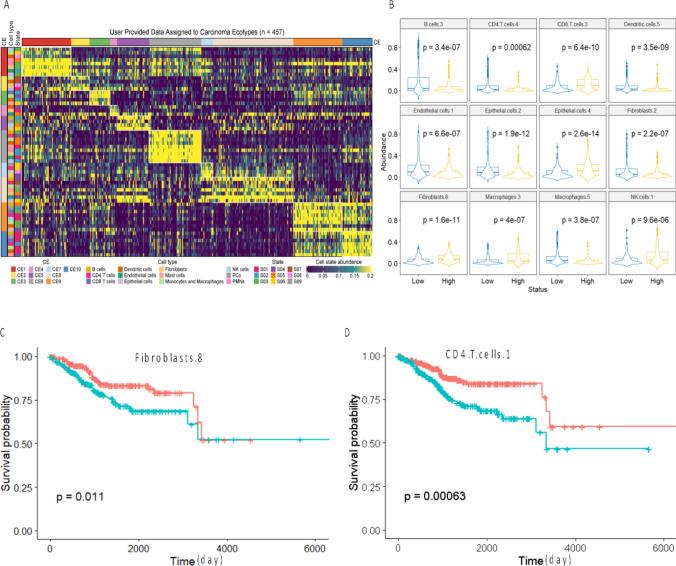
Polycystic ovary syndrome (PCOS) is a known risk factor for uterine endometrial cancer (UCEC), but its underlying mechanisms remain unclear. MicroRNAs (miRNAs) could provide insights into these mechanisms and reveal potential therapeutic targets. Differential miRNA expression was analyzed in plasma exosomes from 15 PCOS and 15 control samples. Survival analysis assessed the prognostic value of these miRNAs in UCEC. MiRNA-target gene interaction networks and gene co-expression analyses were used to explore molecular mechanisms. Validation was performed using experimental data from Ishikawa cells treated with six candidate drugs. Among the 15 differentially expressed miRNAs, 12 were up-regulated and 3 were down-regulated in PCOS. Twelve of these miRNAs were associated with UCEC overall survival, with miR-142, miR-424, and miR-331 acting as protective factors, while the remaining 9 miRNAs were identified as risk factors. MiRNA-target network highlighted key genes such as PHF8, LCOR, SFT2D3, E2F1, and ESR1, which were found to be prognostic for patient survival. Further gene expression and co-expression analyses based on miR-424 and miR-330 expression revealed significant alterations in gene expression and cellular processes related to UCEC. Two-sample Mendelian randomization analysis identified potential causal relationships between AURKA gene expression and PCOS or UCEC. Testosterone and estradiol might have adverse roles in UCEC, while drugs like troglitazone, valproic acid, retinoic acid, and progesterone demonstrated various effects on gene expression and cellular processes. Our findings suggest that aberrant miRNA expression, particularly miR-330 and miR-424, may play crucial roles in UCEC progression. The identified miRNAs and candidate drugs may serve as potential therapeutic targets for UCEC, but further research is required to validate and explore their clinical applications.
多囊卵巢综合征(PCOS)是子宫内膜癌(UCEC)的已知危险因素,但其潜在机制仍不清楚。微小RNA(miRNA)可为这些机制提供见解并揭示潜在的治疗靶点。分析了15例PCOS患者和15例对照样本血浆外泌体中miRNA的差异表达。生存分析评估了这些miRNA在UCEC中的预后价值。利用miRNA-靶基因相互作用网络和基因共表达分析来探索分子机制。使用来自用六种候选药物处理的 Ishikawa 细胞的实验数据进行验证。在15种差异表达的miRNA中,12种在PCOS中上调,3种下调。其中12种miRNA与UCEC的总生存相关,miR-142、miR-424和miR-331起保护作用,其余9种miRNA被确定为危险因素。miRNA-靶标网络突出了关键基因,如PHF8、LCOR、SFT2D3、E2F1和ESR1,这些基因被发现对患者生存具有预后意义。基于miR-424和miR-330表达的进一步基因表达和共表达分析揭示了与UCEC相关的基因表达和细胞过程的显著变化。两样本孟德尔随机化分析确定了AURKA基因表达与PCOS或UCEC之间的潜在因果关系。睾酮和雌二醇可能在UCEC中起不良作用,而曲格列酮、丙戊酸、视黄酸和孕酮等药物对基因表达和细胞过程表现出不同的影响。我们的研究结果表明,异常的miRNA表达,特别是miR-330和miR-424,可能在UCEC进展中起关键作用。所鉴定的miRNA和候选药物可能作为UCEC的潜在治疗靶点,但需要进一步研究来验证和探索它们的临床应用。


 Zotero 插件