
昼夜节律类型与癌症:人体研究中时间营养学与肿瘤学之间的新兴关系
Chronotype and Cancer: Emerging Relation Between Chrononutrition and Oncology from Human Studies.
作者信息
Godos Justyna, Currenti Walter, Ferri Raffaele, Lanza Giuseppe, Caraci Filippo, Frias-Toral Evelyn, Guglielmetti Monica, Ferraris Cinzia, Lipari Vivian, Carvajal Altamiranda Stefanía, Galvano Fabio, Castellano Sabrina, Grosso Giuseppe
机构信息
Department of Biomedical and Biotechnological Sciences, University of Catania, 95123 Catania, Italy.
Center for Human Nutrition and Mediterranean Foods (NUTREA), University of Catania, 95123 Catania, Italy.
出版信息
Nutrients. 2025 Jan 31;17(3):529. doi: 10.3390/nu17030529.
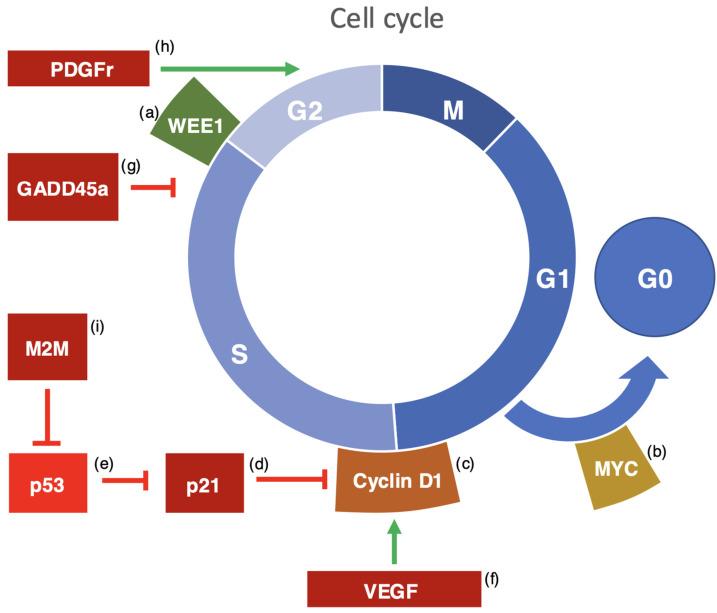
Fasting-feeding timing is a crucial pattern implicated in the regulation of daily circadian rhythms. The interplay between sleep and meal timing underscores the importance of maintaining circadian alignment in order to avoid creating a metabolic environment conducive to carcinogenesis following the molecular and systemic disruption of metabolic performance and immune function. The chronicity of such a condition may support the initiation and progression of cancer through a variety of mechanisms, including increased oxidative stress, immune suppression, and the activation of proliferative signaling pathways. This review aims to summarize current evidence from human studies and provide an overview of the potential mechanisms underscoring the role of chrononutrition (including time-restricted eating) on cancer risk. Current evidence shows that the morning chronotype, suggesting an alignment between physiological circadian rhythms and eating timing, is associated with a lower risk of cancer. Also, early time-restricted eating and prolonged nighttime fasting were also associated with a lower risk of cancer. The current evidence suggests that the chronotype influences cancer risk through cell cycle regulation, the modulation of metabolic pathways and inflammation, and gut microbiota fluctuations. In conclusion, although there are no clear guidelines on this matter, emerging evidence supports the hypothesis that the role of time-related eating (i.e., time/calorie-restricted feeding and intermittent/periodic fasting) could potentially lead to a reduced risk of cancer.
禁食-进食时间模式是与日常昼夜节律调节相关的关键模式。睡眠和进餐时间之间的相互作用突出了维持昼夜节律同步的重要性,以避免在代谢性能和免疫功能受到分子和系统干扰后,营造出有利于致癌作用的代谢环境。这种情况的长期性可能通过多种机制支持癌症的发生和发展,包括氧化应激增加、免疫抑制以及增殖信号通路的激活。本综述旨在总结来自人体研究的现有证据,并概述强调限时营养(包括限时进食)对癌症风险作用的潜在机制。现有证据表明,早晨型昼夜节律,即生理昼夜节律与进食时间的同步,与较低的癌症风险相关。此外,早期限时进食和延长夜间禁食时间也与较低的癌症风险相关。目前的证据表明,昼夜节律类型通过细胞周期调节、代谢途径和炎症的调节以及肠道微生物群波动来影响癌症风险。总之,尽管在这个问题上没有明确的指导方针,但新出现的证据支持这样一种假设,即与时间相关的饮食(即限时/限制热量进食和间歇性/周期性禁食)可能会降低患癌风险。
 Zotero 插件