
乳糜泻:超越饮食与食物认知
Celiac Disease: Beyond Diet and Food Awareness.
作者信息
Herrera-Quintana Lourdes, Navajas-Porras Beatriz, Vázquez-Lorente Héctor, Hinojosa-Nogueira Daniel, Corrales-Borrego Francisco J, Lopez-Garzon Maria, Plaza-Diaz Julio
机构信息
Department of Physiology, Schools of Pharmacy and Medicine, University of Granada, 18071 Granada, Spain.
Department of Endocrinology and Nutrition, Foundation for the Promotion of Health and Biomedical Research in the Valencian Region (FISABIO), University Hospital Doctor Peset, 46017 Valencia, Spain.
出版信息
Foods. 2025 Jan 24;14(3):377. doi: 10.3390/foods14030377.
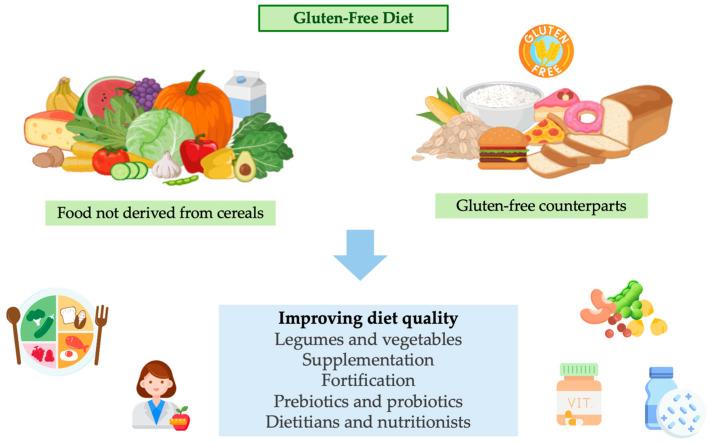
Celiac disease is attributable to a combination of genetic predisposition and exposure to dietary gluten, with immune system involvement. The incidence is increasing globally, and the societal economic burden of celiac disease stretches beyond the cost of gluten-free food. This enteropathy that affects the small intestine has been related to different disorders and comorbidities. Thus, the implications of suffering from this disease are multidimensional and need further consideration. Celiac disease is a serious condition that remains under-recognized, resulting in an increased need for programs for better management. This review aims to summarize the current evidence regarding celiac diseases, with special emphasis on clinical implications, diagnosis, dietary management, socioeconomical aspects, and future perspectives.
乳糜泻归因于遗传易感性和饮食中麸质暴露的共同作用,并涉及免疫系统。全球发病率呈上升趋势,乳糜泻的社会经济负担不仅限于无麸质食品的成本。这种影响小肠的肠病与多种疾病和合并症有关。因此,患这种疾病的影响是多方面的,需要进一步考虑。乳糜泻是一种严重但仍未得到充分认识的疾病,因此对更好管理方案的需求增加。本综述旨在总结关于乳糜泻的现有证据,特别强调其临床意义、诊断、饮食管理、社会经济方面和未来展望。

 Zotero 插件