
妇科恶性肿瘤中的cGAS/STING信号通路:从分子机制到治疗价值
cGAS/STING signaling pathway in gynecological malignancies: From molecular mechanisms to therapeutic values.
作者信息
Zhang Danyang, Zhang Bingxue
机构信息
Department of Obstetrics, The First Hospital of China Medical University, Shenyang, Liaoning, China.
出版信息
Front Immunol. 2025 Jan 30;16:1525736. doi: 10.3389/fimmu.2025.1525736. eCollection 2025.
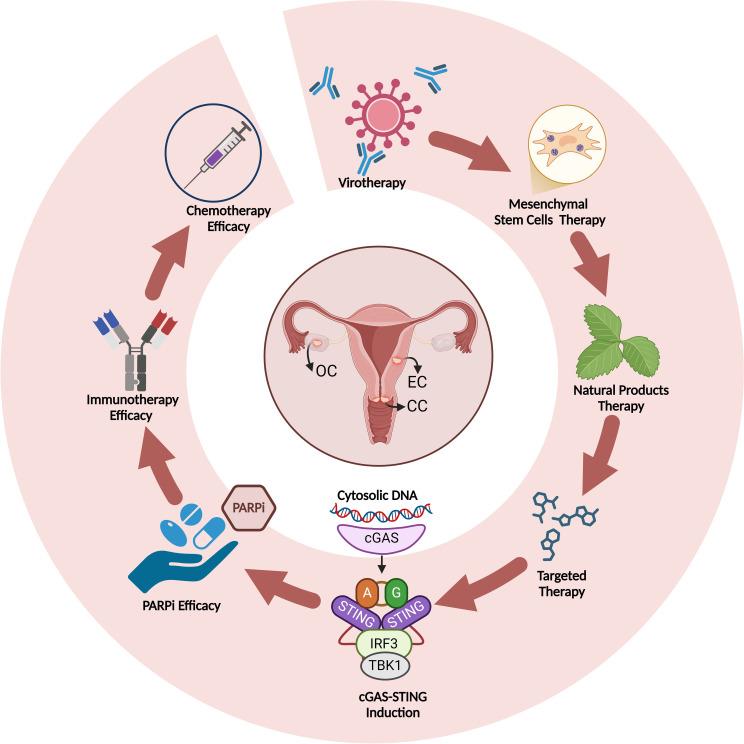
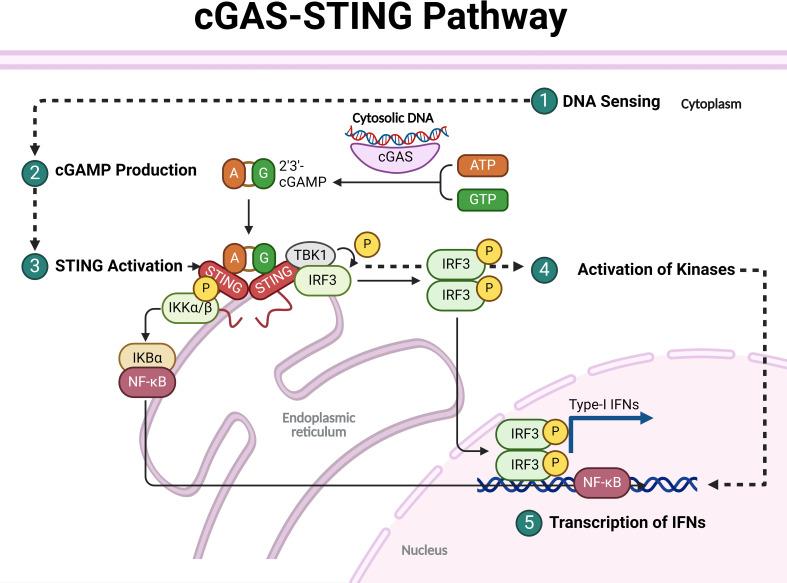
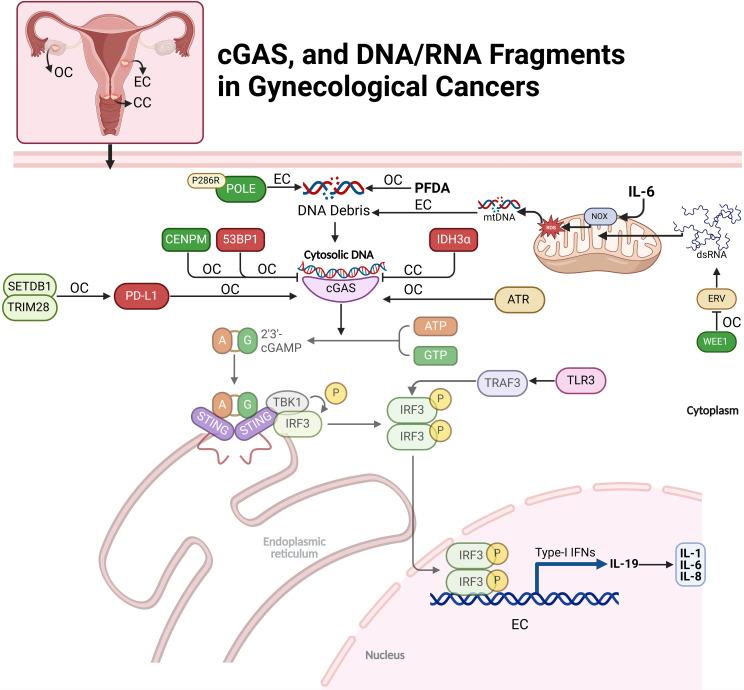
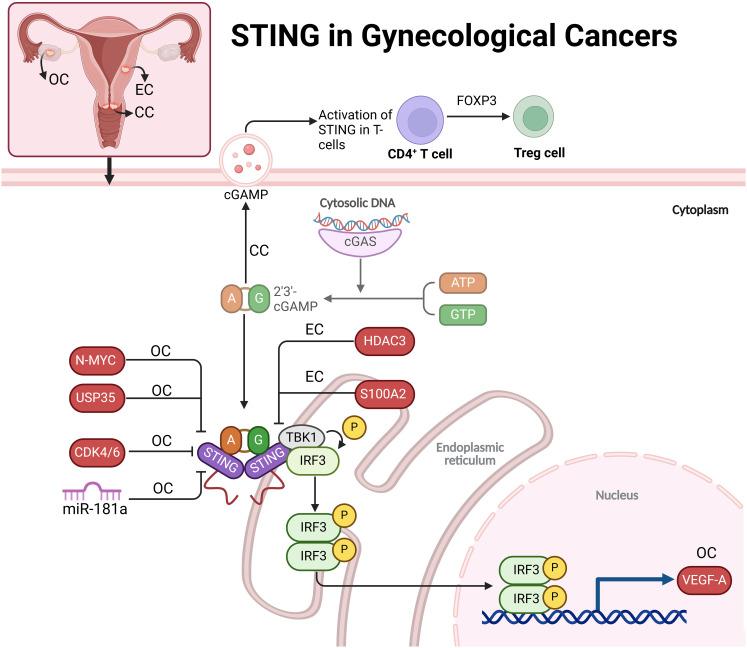
Gynecological cancers, including cervical, ovarian, and endometrial malignancies, remain a significant global health burden, exacerbated by disparities in access to preventive measures such as HPV vaccination and routine screening. The cGAS/STING signaling pathway, a pivotal mechanism in innate immunity, detects cytosolic DNA from pathogens or cellular damage, triggering immune responses via type I interferons and inflammatory cytokines. This pathway's dual role in gynecological cancers, either promoting antitumor immunity or facilitating tumor immune evasion, makes it a compelling target for innovative therapies. The article outlines cGAS/STING's influence on tumor microenvironments, immune surveillance, and inflammation, with emphasis on molecular mechanisms driving cancer progression. It explores interactions between DNA damage response pathways and immune modulation, highlighting the impact of cGAS/STING activation or suppression in ovarian, cervical, and endometrial cancers. The therapeutic potential of STING agonists, PARP inhibitors, and targeted immunotherapies is reviewed, demonstrating how these approaches can boost immune responses, counteract chemotherapy resistance, and improve patient outcomes. The study also discusses strategies for leveraging cGAS/STING signaling to enhance the efficacy of immunotherapies and address tumor-mediated immune suppression, providing insights into future directions for personalized cancer treatments.
妇科癌症,包括宫颈癌、卵巢癌和子宫内膜癌,仍然是一项重大的全球健康负担,而获得人乳头瘤病毒(HPV)疫苗接种和常规筛查等预防措施方面的差异加剧了这一负担。环磷酸鸟苷-腺苷酸合成酶(cGAS)/干扰素基因刺激蛋白(STING)信号通路是固有免疫中的关键机制,可检测来自病原体或细胞损伤的胞质DNA,通过I型干扰素和炎性细胞因子触发免疫反应。该通路在妇科癌症中具有双重作用,既能促进抗肿瘤免疫,也能促进肿瘤免疫逃逸,这使其成为创新疗法的一个有吸引力的靶点。本文概述了cGAS/STING对肿瘤微环境、免疫监视和炎症的影响,重点阐述了驱动癌症进展的分子机制。本文探讨了DNA损伤反应通路与免疫调节之间的相互作用,强调了cGAS/STING激活或抑制在卵巢癌、宫颈癌和子宫内膜癌中的影响。本文综述了STING激动剂、聚腺苷二磷酸核糖聚合酶(PARP)抑制剂和靶向免疫疗法的治疗潜力,展示了这些方法如何增强免疫反应、对抗化疗耐药性并改善患者预后。该研究还讨论了利用cGAS/STING信号来提高免疫疗法疗效和解决肿瘤介导的免疫抑制的策略,为个性化癌症治疗的未来方向提供了见解。

 Zotero 插件