
非酒精性脂肪性肝病中脂肪生成的深入分析:机制与药物干预
In-depth analysis of lipogenesis in non-alcoholic fatty liver disease: Mechanism and pharmacological interventions.
作者信息
Zhu Zhixian, Zhang Xiaoxun, Pan Qiong, Zhang Liangjun, Chai Jin
机构信息
Department of Gastroenterology, The First Affiliated Hospital (Southwest Hospital), Third Military Medical University (Army Medical University), Chongqing, China.
Institute of Digestive Diseases of PLA, Third Military Medical University (Army Medical University), Chongqing, China.
出版信息
Liver Res. 2023 Nov 19;7(4):285-295. doi: 10.1016/j.livres.2023.11.003. eCollection 2023 Dec.
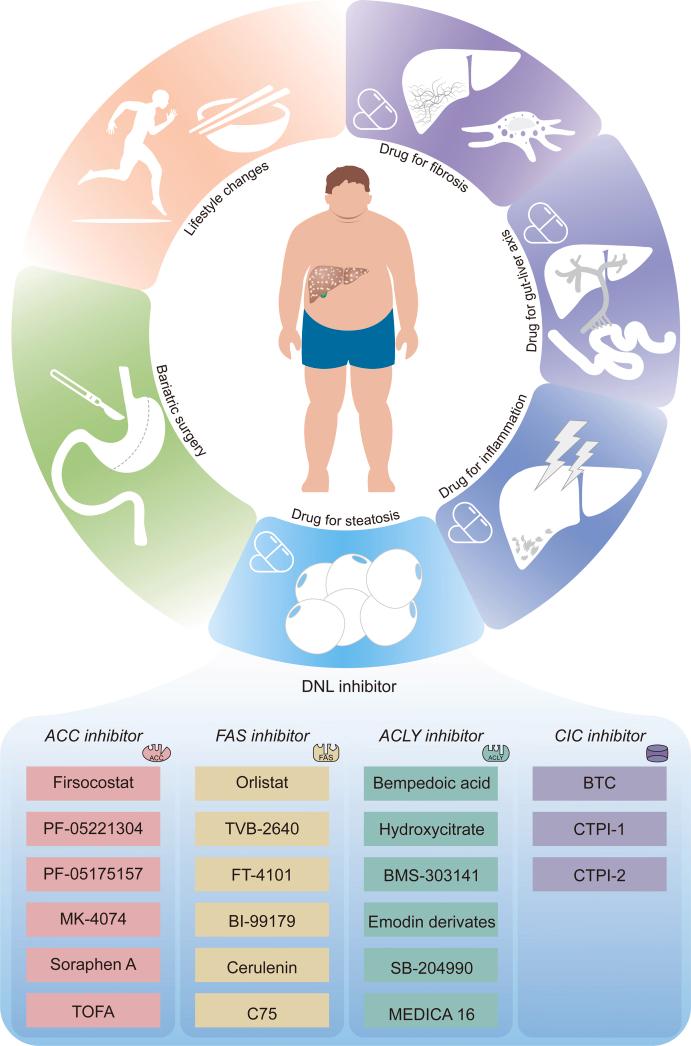
Non-alcoholic fatty liver disease (NAFLD) is characterized by the abnormal buildup of lipids in the liver tissue. Non-alcoholic fatty liver (NAFL) may progress to non-alcoholic steatohepatitis. Triglycerides in the liver can originate from various sources, including lipogenesis (DNL). Research indicates that DNL significantly escalates in NAFLD, worsening steatosis. However, the precise regulatory mechanism of DNL in the development of this disease is not fully understood. Therefore, the targeted reduction of DNL could be a crucial therapeutic strategy. Currently, numerous pharmaceutical agents targeting DNL have been developed, attracting significant attention. This review examines the mechanism of DNL upregulation in NAFLD, assessing its potential as a therapeutic target for hepatic steatosis. Furthermore, we thoroughly examine hepatocellular lipotoxicity and provide an extensive review of the application and limitations of relevant therapeutic drugs, with a focus on key enzymes involved in DNL. The implementation of these pharmacological strategies is expected to significantly improve the management and overall outcomes for patients with NAFLD.
非酒精性脂肪性肝病(NAFLD)的特征是肝组织中脂质异常堆积。非酒精性脂肪肝(NAFL)可能进展为非酒精性脂肪性肝炎。肝脏中的甘油三酯可来源于多种途径,包括从头脂肪生成(DNL)。研究表明,NAFLD中DNL显著增加,使脂肪变性恶化。然而,DNL在该疾病发生发展过程中的精确调控机制尚未完全明确。因此,靶向降低DNL可能是一种关键的治疗策略。目前,已开发出多种靶向DNL的药物,引起了广泛关注。本综述探讨了NAFLD中DNL上调的机制,评估其作为肝脂肪变性治疗靶点的潜力。此外,我们深入研究了肝细胞脂毒性,并对相关治疗药物的应用和局限性进行了全面综述,重点关注参与DNL的关键酶。这些药理学策略的实施有望显著改善NAFLD患者的管理和总体预后。


 Zotero 插件