
淀粉样纤维及其应用:现状与最新进展
Amyloid Fibrils and Their Applications: Current Status and Latest Developments.
作者信息
Liu Bingxu, Zhang Hongnan, Qin Xiaohong
机构信息
Key Laboratory of Textile Science & Technology, College of Textiles, Donghua University, Ministry of Education, Shanghai 200051, China.
出版信息
Nanomaterials (Basel). 2025 Feb 7;15(4):255. doi: 10.3390/nano15040255.
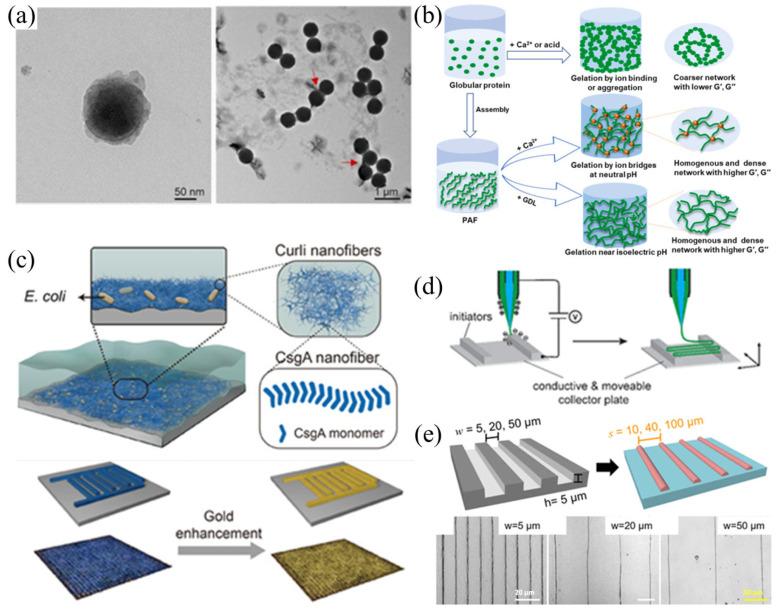
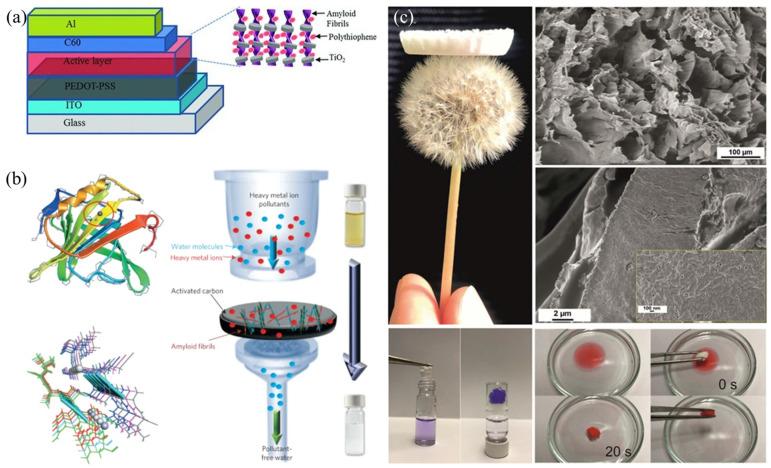
Amyloid fibrils are one of the important forms of protein aggregates, first discovered in the pathological brain tissues of patients with various neurodegenerative diseases. They are considered the core pathological markers of different neurodegenerative diseases. In recent years, research has found that multiple proteins or peptides dynamically assemble to form functional amyloid-like nanofibrils under physiological conditions, exhibiting excellent mechanical properties, high environmental stability, and self-healing ability. Therefore, they have become a class of functional biological nanomaterials with important development potential. This article systematically reviews the latest progress in the preparation, functionalization, and application of amyloid-like nanofibrils in engineering and provides an outlook on possible future development directions.
淀粉样纤维是蛋白质聚集体的重要形式之一,最早在患有各种神经退行性疾病患者的病理性脑组织中被发现。它们被认为是不同神经退行性疾病的核心病理标志物。近年来,研究发现多种蛋白质或肽在生理条件下动态组装形成功能性淀粉样纳米纤维,具有优异的机械性能、高环境稳定性和自愈能力。因此,它们已成为一类具有重要发展潜力的功能性生物纳米材料。本文系统综述了淀粉样纳米纤维在工程领域的制备、功能化及应用方面的最新进展,并对未来可能的发展方向进行了展望。

 Zotero 插件