
基于纳米颗粒的药物递送系统在改善胶质母细胞瘤治疗方面的进展:应对挑战与探索机遇
Progress in Drug Delivery Systems Based on Nanoparticles for Improved Glioblastoma Therapy: Addressing Challenges and Investigating Opportunities.
作者信息
Rahman Md Ataur, Jalouli Maroua, Yadab Mahesh Kumar, Al-Zharani Mohammed
机构信息
Department of Oncology, Karmanos Cancer Institute, Wayne State University, Detroit, MI 48201, USA.
Department of Biology, College of Science, Imam Mohammad Ibn Saud Islamic University (IMSIU), Riyadh 11623, Saudi Arabia.
出版信息
Cancers (Basel). 2025 Feb 19;17(4):701. doi: 10.3390/cancers17040701.
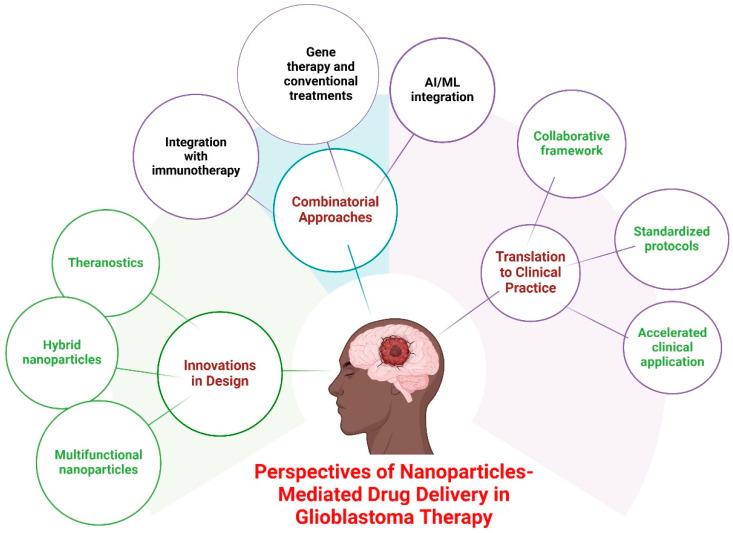
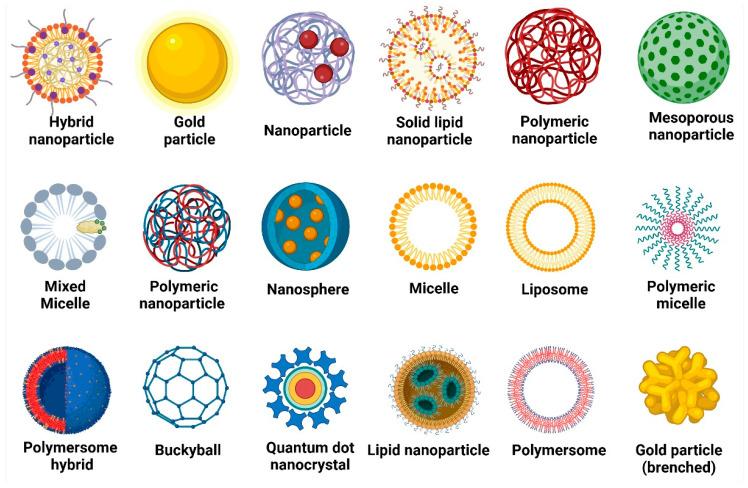
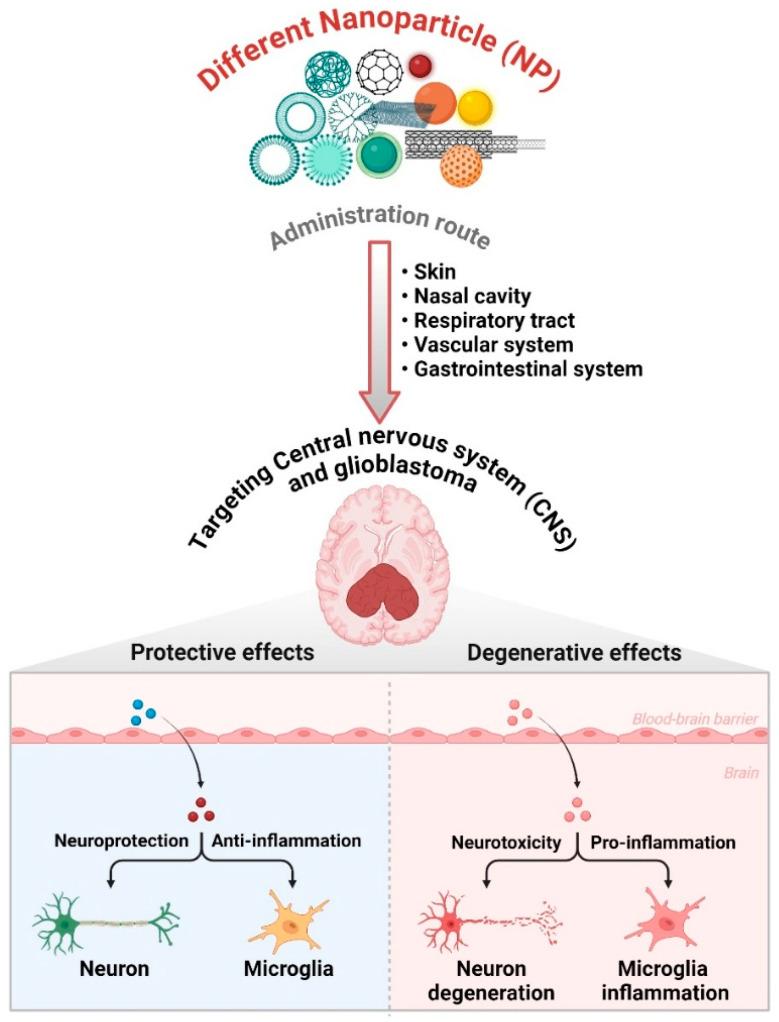
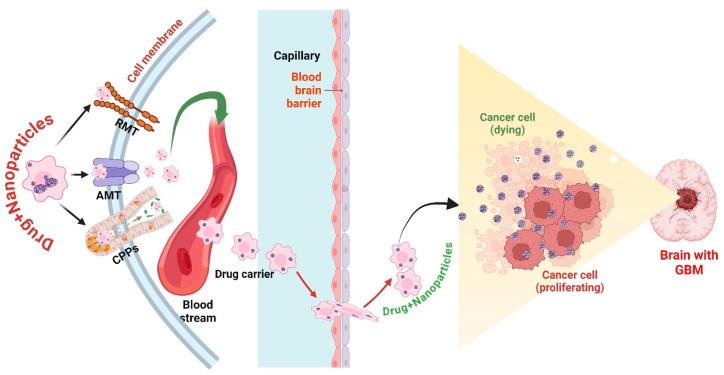
Glioblastoma multiforme (GBM) is a highly malignant brain tumor that has a bleak outlook despite existing treatments such as surgery, radiation, and chemotherapy. The utilization of nanoparticles for drug delivery presents a promising method by which to improve the effectiveness of treatment while reducing the harmful effects on the entire body. This review examines the application of nanoparticles in the treatment of GBM, focusing on different types of nanoparticles, including lipid-based, polymeric, metallic, and those under development. Every variety is analyzed for its distinct characteristics and therapeutic capacity. Lipid-based nanoparticles, such as liposomes and solid lipid nanoparticles, enhance the transport of medicines that are not soluble in water and have shown considerable potential in preclinical investigations. Polymeric nanoparticles have benefits in terms of controlled release and targeted distribution, whereas metallic nanoparticles have potential in both therapy and imaging. In the current review we would like to emphasize the ways in which nanoparticles improve medicine delivery, specifically by enhancing penetration of the blood-brain barrier (BBB), targeting tumors, and enabling controlled release. Additionally, we also discuss current preclinical and clinical discoveries, highlighting both achievements and obstacles in the process of converting these technologies into effective treatments for GBM. This study offers a thorough examination of the present status and prospects of nanoparticles in the treatment of GBM.
多形性胶质母细胞瘤(GBM)是一种高度恶性的脑肿瘤,尽管现有手术、放疗和化疗等治疗方法,但预后仍然不佳。利用纳米颗粒进行药物递送是一种很有前景的方法,有望提高治疗效果,同时减少对全身的有害影响。本文综述了纳米颗粒在GBM治疗中的应用,重点介绍了不同类型的纳米颗粒,包括脂质类、聚合物类、金属类以及尚在研发中的纳米颗粒。分析了每一类纳米颗粒的独特特性和治疗能力。脂质类纳米颗粒,如脂质体和固体脂质纳米颗粒,可增强水溶性差的药物的转运,并在临床前研究中显示出巨大潜力。聚合物纳米颗粒在控释和靶向分布方面具有优势,而金属纳米颗粒在治疗和成像方面都有潜力。在本综述中,我们着重介绍纳米颗粒改善药物递送的方式,特别是通过增强血脑屏障(BBB)的穿透性、靶向肿瘤以及实现控释。此外,我们还讨论了当前的临床前和临床研究发现,突出了将这些技术转化为GBM有效治疗方法过程中的成就和障碍。本研究全面审视了纳米颗粒在GBM治疗中的现状和前景。


 Zotero 插件